Travel guide
School Field Trip Transportation in Jamaica: How Schools Plan the Day
This guide may contain affiliate links. If you buy or book through one, we may earn a commission at no extra cost to you. Read our affiliate disclosure.
The date is set, the class list is in your hand, and the principal wants to know how everyone is getting there and back. School field trip transportation in Jamaica comes down to a handful of numbers and documents: how many seats you need, how many adults travel, which operator you hire and what that operator can show you in writing. None of it is hard once it is laid out in the order a school works through it. Most of the delay comes from sending a vague request to a bus company and getting a vague answer back. A clear request, with the date, route, times and headcount, usually gets a clear quote. Below is a plan you can take to your principal, plus a short list of questions to put to any operator.
Settle What the Trip Must Cover Before You Call a Bus Company
Start with the school, not the bus. The Ministry of Education's Field Trips Policy Guidelines 2015 treat a field trip as a school activity that needs written planning. The organiser brings the trip to the principal's attention in writing and completes the preliminary approval documents. The principal and organiser then carry out a risk assessment specific to this trip. Parents or guardians receive details about the activities, the risks, the travel arrangements, meals, medical needs and the expected return time, and they give written permission and informed consent. The guidelines also say the means of transport should be named in the itinerary and on the parent permission form, so you need your transport decision before the forms go home.
It helps to write one paragraph that answers four questions: where are we going, on what date, when do we leave and return, and who is coming. That paragraph becomes the opening of your request to operators and the cover note for your principal. The Ministry also expects the school to keep student insurance coverage in place, and it asks for an emergency communication method, a back-up method and phone numbers that let trip staff reach a school administrator at any hour. Settle those details early. They shape how many adults you need, and that number shapes the vehicle.
Turn the Class List Into a Seat Count You Can Defend
Begin with the confirmed student list. Then add every teacher, school employee, parent volunteer and other approved adult who will travel. Count one person per seat. The seat count is the number you take to operators, and it should come from the people actually travelling, not from the biggest vehicle you have heard of.

The Ministry guidelines do not set one bus passenger ratio. They give supervision ratios by age, to use where school policy does not set another.
On top of the ratio, the guidelines say at least two adults should supervise a field trip, at least one person on the trip should hold First Aid or CPR certification, and each bus should carry at least two staff members or chaperones besides the driver. Volunteer chaperones should be at least 21, criminally screened, physically able to do the job and able to work with students. Confirm the exact ratio with your principal and your school's own policy, since the figures above are a starting point.
Here is how that works in practice. A primary class of 30 at 1 to 10 needs three adults, which already satisfies the two-adults-per-bus rule. A year group of 60 secondary students at 1 to 20 needs three adults by ratio, but if they split across two buses, each bus still needs two adults besides its driver, so the trip needs four. Do the arithmetic per vehicle, then add the totals.
Match the Vehicle to Your Group
Once you know the headcount, you can ask sensible questions about vehicle size. Terms like minibus and coach cover a wide range. One operator, OsaBus, publishes minibuses of up to 20 seats (including a 19-passenger minibus) and coaches of up to 50 seats, and it asks customers to request a quote. That is one operator's range, not a national standard. Jamaica's Road Traffic Regulations define a bus as a vehicle designed to carry more than 15 passengers, which is a legal definition and not a statement about any particular minibus on offer.
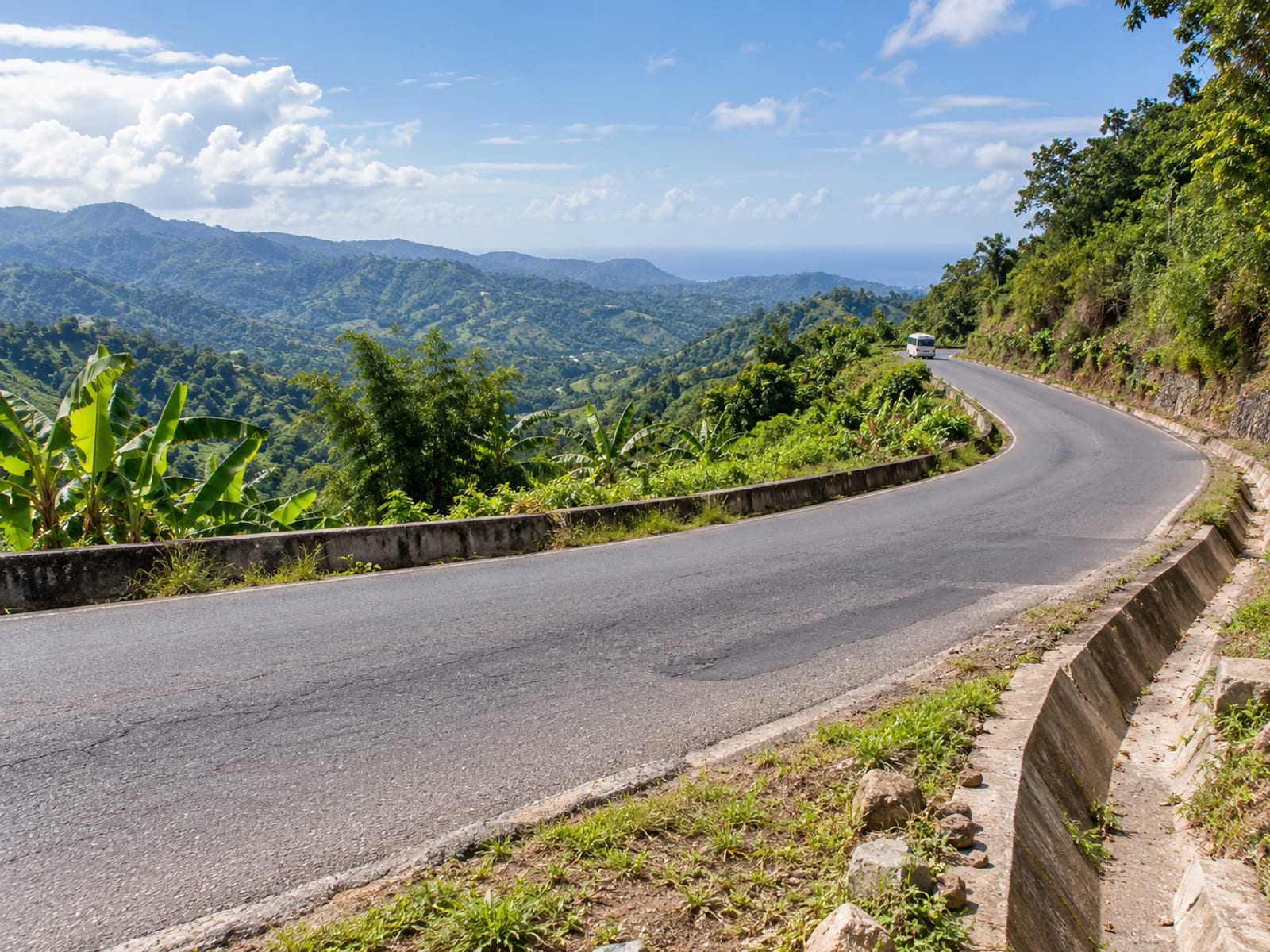
So, ask each operator three things in writing. Does the stated capacity include the driver? Does every passenger have an individual seat? Do equipment, bags or coolers reduce the usable seats? A vehicle sold as a 20 seater may carry fewer students once two chaperones and the trip leader are counted, and a coach with luggage racks full of lunch coolers and art supplies is a different plan from the same coach empty. Ask for the exact passenger-seat count for the vehicle that will actually arrive, then compare it with your headcount.
Build the Day Around School Hours and Real Road Time
A good itinerary respects the school day. The Education Regulations 1980 set the Jamaican school year from September 1 to August 31 in three terms, and they set minimum teaching time rather than one national bell schedule. Primary, all-age and secondary schools not on a shift system must provide at least five teaching hours a day, and every school day includes at least one break of at least thirty minutes. Because individual schools run their own opening, dismissal, half-day and examination schedules, get your school's actual bell schedule and check that the trip does not clash with examinations or staff development days.
Then plan for real road time. The Jamaica Tourist Board publishes travel times for Island Gully Falls and the Blue Hole of about 1 hour 45 minutes from Kingston, about 2 hours 11 minutes from Montego Bay and about 20 minutes from Ocho Rios. Those are tourism estimates, not school-bus times. Traffic, road works, weather, pickup points and stops can all add to them. If your return time matters because buses must be back before parents collect, build slack into the plan and write the expected return time on the permission form.
Pick Public Routes or a Private Charter With Your Eyes Open
Many organisers ask whether a public or government service could carry the class. It helps to see what each option is built to do.
The Transport Authority defines a route taxi as a vehicle carrying passengers who pay separate fares on a designated route, and a contract carriage as a vehicle hired as a whole for an agreed rate or sum. A hired bus for a class is the second kind. The Ministry guidelines prefer a school-owned bus, and say that if one is unavailable the school should use a recognized charter bus service. They do not recommend private vehicles, since the school has less control over them. A parent who would rather drive their own child should provide a written release.
If your school needs help sizing a larger group, our posts on what size bus a group needs and what changes the cost of a bus charter go through the same questions from the operator's side.
Check the Operator and Ask for the Right Papers
The guidelines are specific here. The school should obtain certified copies of the bus insurance certificate, the certificate of fitness, the road licence and the driver's licence. Ask for them with your first enquiry and not on the morning of the trip.
The Transport Authority's licence information identifies red PPV plates and a Transport Authority driver identification badge for public passenger vehicles, so a hired bus and its driver should show current documents. The Road Traffic Act 2018 requires seat belts to be fitted and requires the driver to cause passengers covered by the provision to wear them. It also requires the driver of a vehicle carrying a child to cause the child to wear or be conveyed in the prescribed child restraint system, and the Regulations 2022 cover booster cushions and approved restraint standards. For younger children, ask the operator how this will be handled in the specific vehicle.
Check the operator's written quote against your request. If anything in the quote differs from the request, such as the hours or the return time, ask for a corrected version before you confirm. Keep every email or message; they are your record if plans change.
Write Down Pickup, Release and Emergency Rules
Before the day, agree the rules in writing and share them with staff, the driver and parents. Name the departure point and boarding window. Say who carries the main roster and the student medical and medication list, and who is responsible for the headcount on each vehicle. Give the driver's contact number to the trip leader and the school emergency number to the driver. The Ministry guidelines require regular accounting for students and staff, especially before boarding the bus to return, and they require that field-trip staff can reach a school administrator on a 24-hour basis.
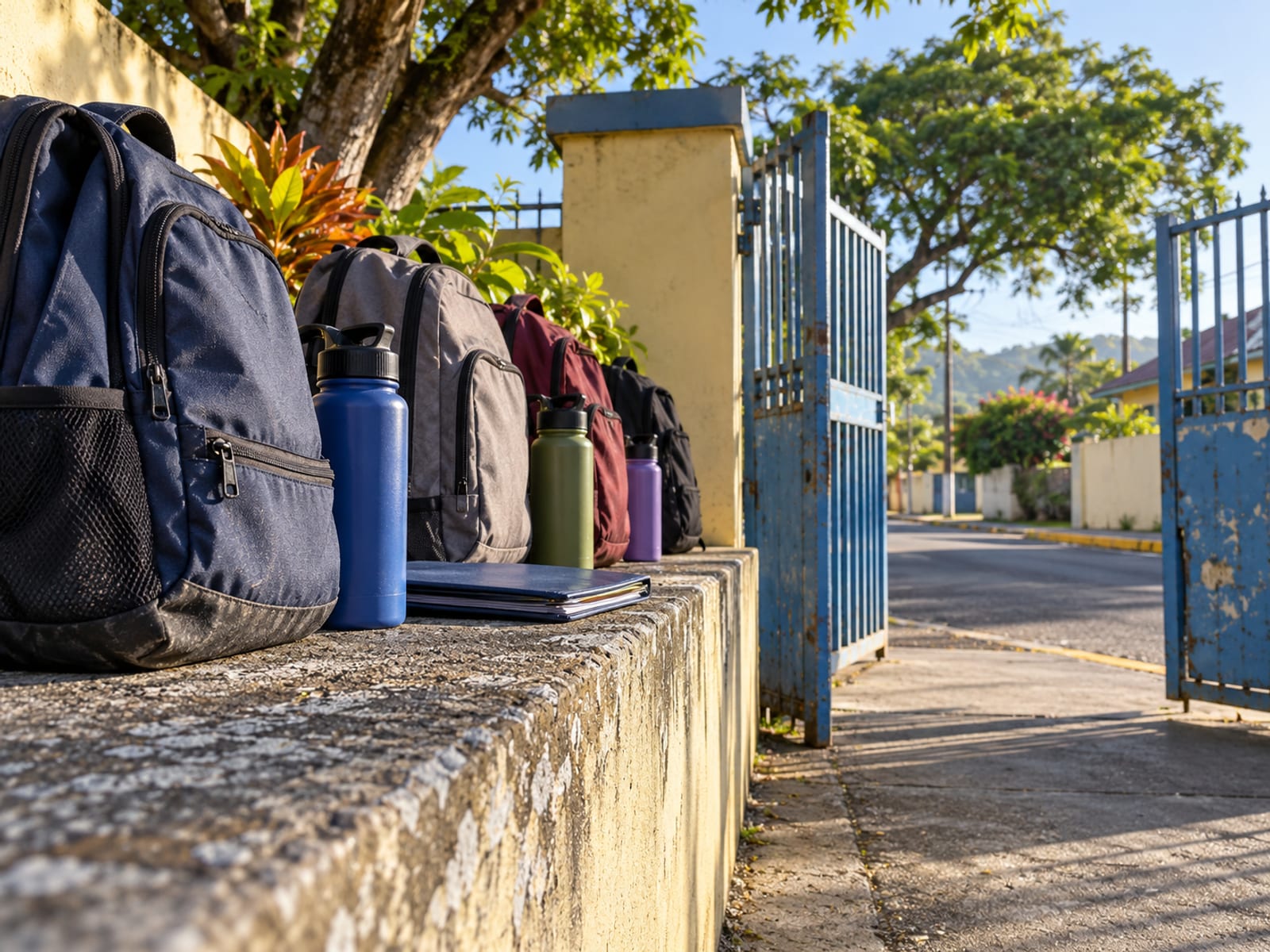
Release at the end matters just as much. Decide who is authorised to release a child when the bus returns, and do a final headcount after the bus is back at school and before any student leaves. If a parent is collecting their own child from the destination, the school should have that written release on file. Tell parents the exact itinerary, transport method, stops, risks and expected return time, and agree how you will notify them if traffic or a breakdown causes a significant delay.
Plan Headcounts, Stops and Delays Before They Happen
A practical day-of plan has a few fixed parts: a printed or secure digital roster for every vehicle, a seating or vehicle allocation showing students, teachers and chaperones, a pre-agreed rest stop and meal plan, and one adult responsible for each vehicle's headcount. Add a named trip leader and a school administrator who is available while the group is out.
Think through the questions that tend to come up on the day. What happens if a student is absent after the booking is confirmed? What if the school dismisses early or an examination changes the return time? Where will the bus wait, and is it a safe place to board and unload? Does the destination have an entrance a bus can use, a safe waiting area and toilets? What is the backup communication method if a mobile phone fails? Are meals, allergies, medication, water and refrigeration covered? Answer these in the plan, and the day tends to go the way you drew it up.
Make the Next School Trip Easier to Arrange
When the trip is over, keep the paperwork. A saved copy of the approval, the risk assessment, the permission form, the roster, the operator's documents and the written quote becomes the template for the next trip. Note what ran late, which stop took longer than planned and what parents asked about. The next organiser, who may be you, starts with a working plan rather than a blank page.
Schools with recurring transport needs, such as regular runs to sports fixtures, can also look at how private school transport is set up. Published examples include registration forms that record pickup and drop-off addresses, time windows, emergency contacts and authorised pickup persons, and plans that vary by school and location. Whatever you arrange, put the terms in writing: notice for cancellation, what happens on early dismissal and examination days, and who to call when something changes. For more on questions to put to a provider, see what to ask before you hire a school transport service.
Frequently Asked Questions
What is the best bus company in Jamaica to hire for a private hire day trip?
There is no official ranking. A suitable choice is a recognized charter or private coach operator that can show the required vehicle and driver documents, including insurance, certificate of fitness, road licence and a valid driver's licence. The Jamaica Tourist Board identifies private charter coach services as suitable for large groups and school trips. Compare operators on vehicle availability, capacity, route, driver documents, planned stops and the written quotation.
How much is a 40 seater bus?
A 40 seater has no single Jamaica-wide price. The quote changes with the date, route, distance, number of hours, waiting time, stops, tolls, driver requirements, vehicle type and whether the bus does one transfer or stays for the full day. Ask each operator for an itemized quote for your exact itinerary and passenger count. The Jamaica Tourist Board says private charter fares are confirmed at booking.
How many seats are in a minibus?
The word covers several sizes. OsaBus, for example, publishes a 19-passenger minibus and minibuses of up to 20 seats. Confirm whether the stated capacity includes the driver, whether every passenger has an individual seat and whether equipment reduces the usable seating.
Can a school use a private car or a parent's vehicle?
The Ministry guidelines do not recommend private vehicles because the school has less control over them. A parent who transports their own child instead of using the school-arranged transport should give a written release.
Who needs First Aid or CPR training on the trip?
The guidelines say at least one person on the trip should be certified in First Aid or CPR.
What This Means for You
You now have the order of work: written approval and a risk assessment, a seat count built from students plus adults, an itinerary that fits the school day, a vehicle from a recognized operator with its documents in hand, and written rules for pickup, release and emergencies. The ratios and document list come from the Ministry guidelines, so your principal can see where each requirement originates. If your school sets a different ratio, follow the school policy.
Doing this once gives you something lasting. The next trip starts from a tested plan, and parents see the same clear information each time.
If you have a date, a destination and a headcount, D-JARPS Transport Solutions can go over the itinerary with you, give you a price and confirm the trip before the day. We run our own vehicles and arrange transport anywhere in Jamaica as each trip needs it. Trips are arranged by phone between 6 AM and 10 PM every day, or you can send the details through the trip request form on our contact page. You can also read about our school transportation service and private charters before you decide.