Travel guide
How Private School Transportation Works in Kingston: A Guide for Parents
This guide may contain affiliate links. If you buy or book through one, we may earn a commission at no extra cost to you. Read our affiliate disclosure.
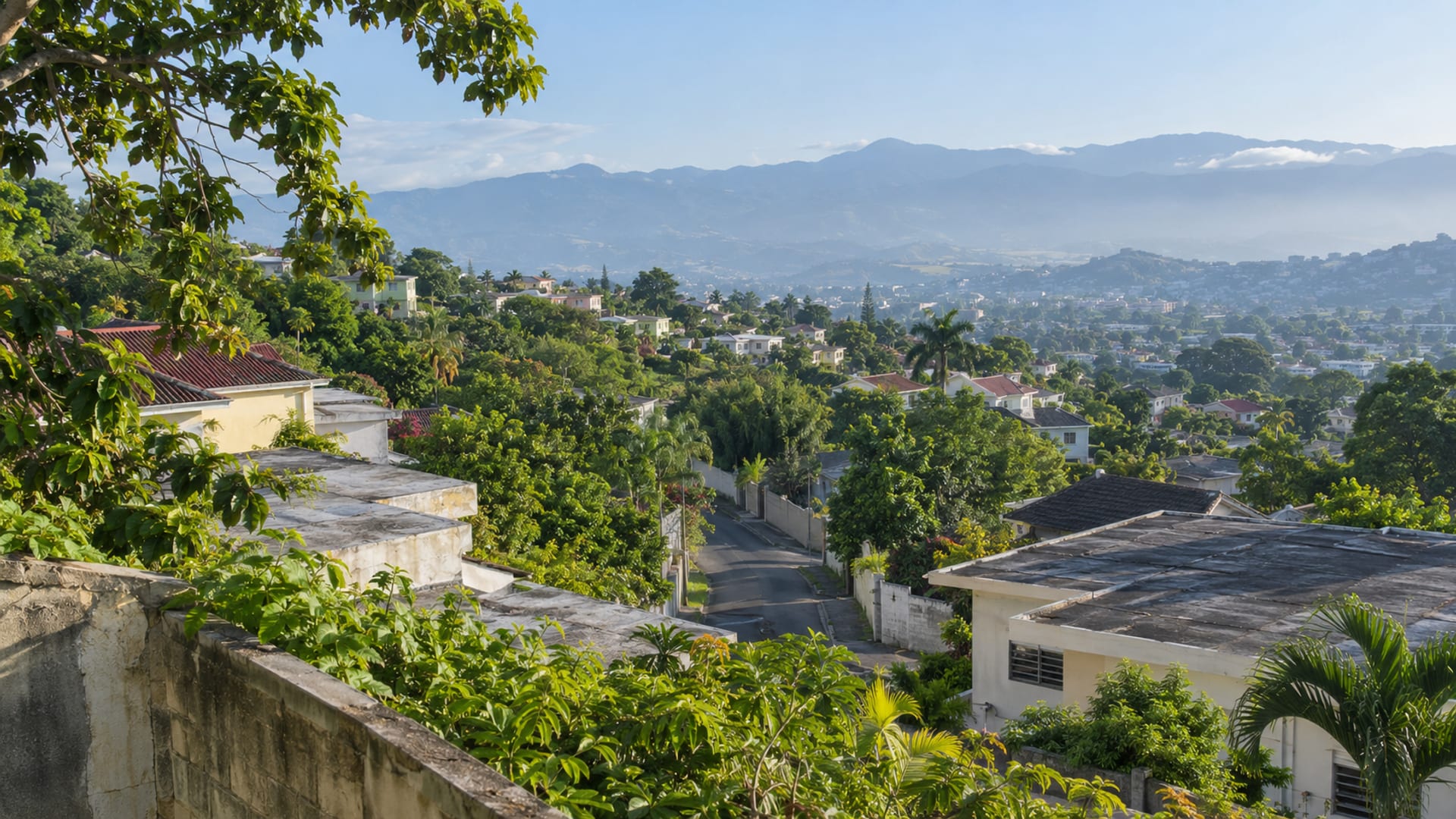
Finding private school transportation in Kingston Jamaica is rarely about the vehicle. It is about the mornings you can no longer cover, the afternoons when work runs late, and the question of who has your child between the front door and the school gate. Most of what comes up in a search is the government rural school bus or the regulated public fares, and neither one tells you what a private arrangement looks like from one ordinary day to the next. That is a fair thing to want to understand before you sign up. A private school run usually works as a scheduled shared route, with set pickup points, a morning window, an afternoon return and a clear rule about who may receive your child. The details differ by operator, school and route, so the most useful skill is knowing which details to ask about. Read on and you will be able to describe how the arrangement would run for your child, and what to have ready when you make the call.
Why A Private School Run Can Make The Daily School Day Work
A school day has two fixed points, the bell in the morning and dismissal in the afternoon, and a lot of unfixed time around them. When both parents work, or one parent has a long commute across the city, those two points rarely line up with anyone's schedule. A private route fills that gap with a driver who collects your child near home, carries them with other students and delivers them to the school entrance, then repeats the process in the afternoon.
For a Kingston or St. Andrew family, the appeal is usually predictability. The same vehicle, the same stops and the same adult to call take the place of a different plan every week. It also changes who carries the planning load. Instead of asking a neighbour, a relative or a colleague for a favour, you agree a route once and adjust it only when something about school or home changes.
None of this removes your part in the day. Your child still needs to be ready before the pickup window opens, and an adult you have named still needs to be there when the vehicle returns. What changes is that the rest of the run follows a pattern you have agreed in advance. If you want to see the school run services we offer, our school transportation service page sets out how families and schools can start an enquiry.
What The Morning And Afternoon Route Actually Look Like
A private school run works as a sequence, and it helps to see the whole sequence before you ask about any one part of it. The operator sets a route around the enrolled children, the school start time and the traffic pattern. Each family then receives a pickup point and an expected pickup range, and the child is ready before that range begins.
The pickup itself can take several forms. It may be your home, a nearby road, a community meeting point or a central loading point. Do not assume that door-to-door pickup is included; ask for it by name and have the answer written down. The same goes for the school end. Ask which entrance is used for drop-off and whether the vehicle waits for children who are released late.
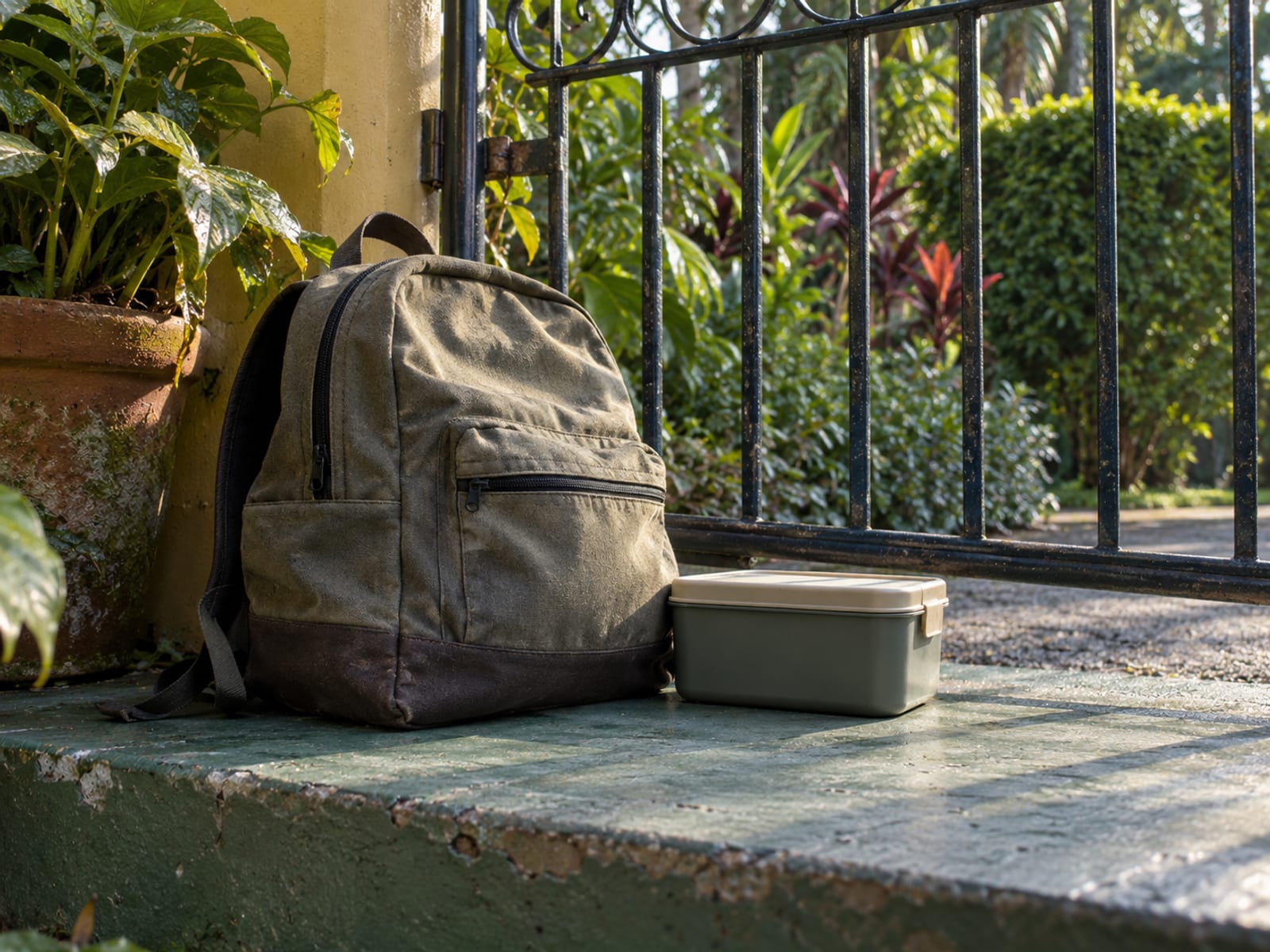
In the afternoon, ask what happens when dismissal is not ordinary. Sports, clubs, detention, examinations and early dismissal all move the time a child comes out of the gate. You need to know whether a child can wait at school until the vehicle arrives, whether the vehicle waits for late-release children, and whether a second run exists for early dismissal.
How Pickup Windows Work Around Kingston Traffic
Pickup times on a shared route are usually ranges, not appointments. The first stop, the traffic, the school access road and any earlier delay all affect the stops that follow. That is why the useful questions are the earliest and latest expected arrival time, how long the vehicle will wait, and how the driver or office tells you about a delay by call or text.
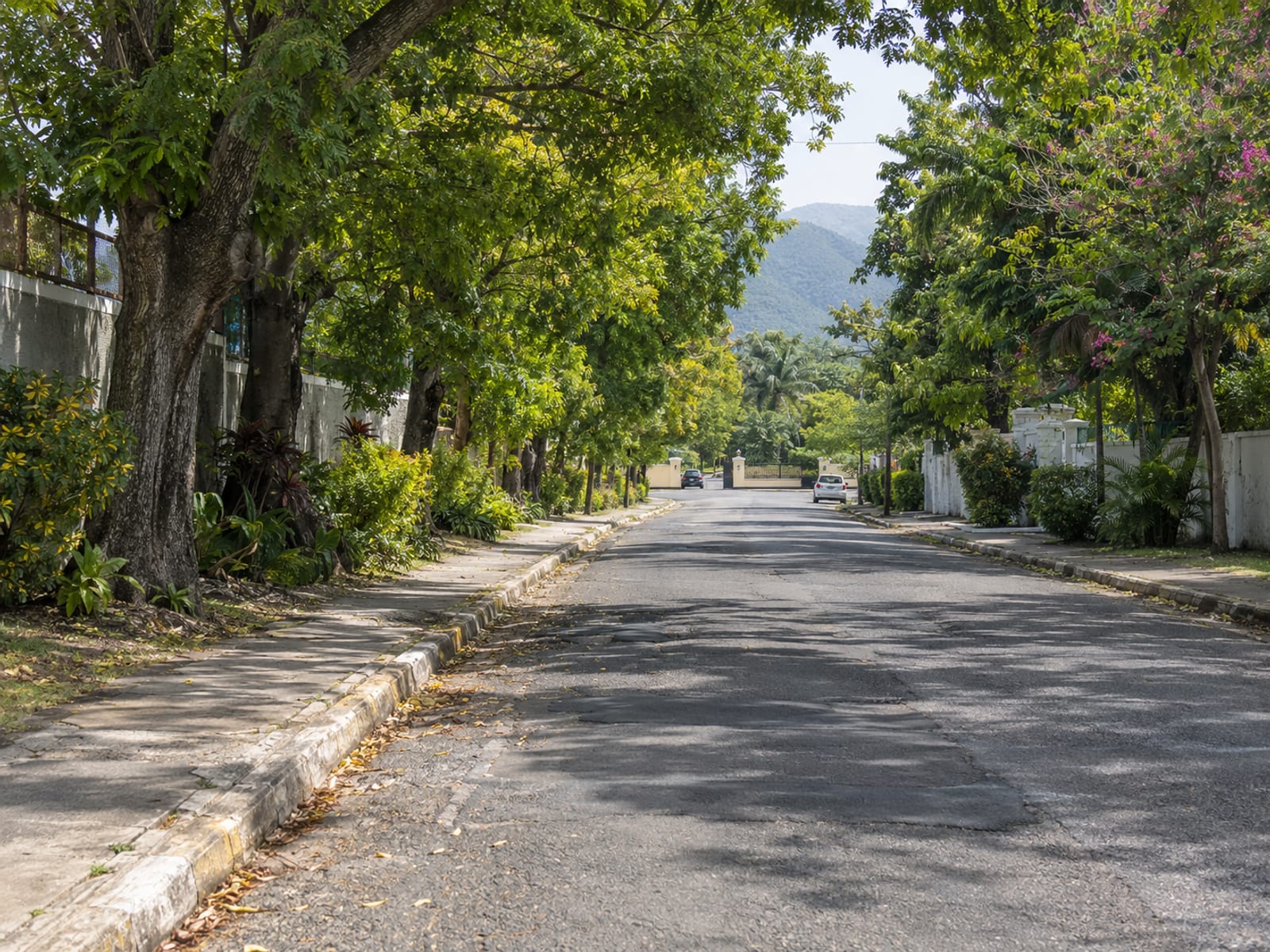
Kingston and St. Andrew add their own pressure points. Half Way Tree is a major transport hub, and the JUTC bus routes guide lists routes from there connecting Constant Spring, Papine, Cross Roads and other parts of the metropolitan area. News reports in back-to-school periods describe congestion on Old Hope Road, Constant Spring Road and Marcus Garvey Drive, and the National Works Agency has identified turning movements on Constant Spring Road as affecting traffic heading toward Half Way Tree and New Kingston.
For a private route, that has practical effects:
- Distance: A child who lives farther from school may need an earlier pickup than the straight-line distance suggests.
- Crossing Half Way Tree: A route that passes through it may need extra buffer time.
- Stop order: Stops along Constant Spring and Hope Road should be sequenced to avoid backtracking.
- School access roads: They can be congested even when the main road is moving.
- Afternoons: Afternoon traffic can differ from morning traffic.
- Disruptions: Early dismissal, rain, road works, crashes and public events can change the normal route.
Exact times should be set only after the operator knows the addresses, the school bell times and the other students on the route. If a child is not ready when the vehicle arrives, the driver may be unable to wait, because waiting can make every later student late. Ask whether the operator makes one call, waits a defined period, skips the stop, charges a missed-ride fee or expects you to take the child to school yourself. The simplest habit is to have your child and an adult ready before the window begins.
What Changes The Price Of A Private School Arrangement
Private school transport in Jamaica is not governed by one standard customer contract, and there is no single national price. What you pay depends on the operator and the route. For that reason we do not quote a figure on this page; the price is given after we know the child's school and route.
These are the things that move the price:
- Distance: A longer route costs more to run.
- Number of stops: More stops add time to the run.
- One way or round trip: A morning-only or afternoon-only service differs from both.
- School days covered: The number of riding days sets how many runs are involved.
- Vehicle type and route size: A bigger vehicle with more riders is a different arrangement from a small one.
- Waiting and special trips: Waiting time, early-dismissal coverage and extra trips for examinations are separate items to ask about.
Operators also structure payment in different ways. Some advertise weekly payment or a monthly package, and some sign families up through a registration form with written terms and conditions. Those are each operator's own terms, not a standard. When you compare, ask whether the arrangement is per ride, weekly, monthly, per term or for a fixed school year, whether there is a minimum number of riders, and whether the route changes when enrolment changes.
Two other cost questions come up often. Does payment continue when your child is absent? And does the monthly or term amount change when the school calendar changes? Get both answers in writing.
The Questions To Settle Before The First Ride
Most surprises on a school run come from questions nobody asked before the first morning. The Ministry of Education advises schools that organise student transport to use a signed parent contract, a timetable, centralised pickup points, travel records and a parent communication system, and the same list works well as a parent's own checklist. Its guidance, in the Manual for the Reopening of Educational Institutions, also tells parents to make sure contracted drivers are trustworthy and that children know their routes and transport arrangements.

Settle these points in writing before the first ride:
Your child needs a few things too. They should know the operator's main phone number, the driver's name and the vehicle, the exact pickup point and the adult who will receive them at the end of the day. They also need simple behaviour rules: stay seated, follow the driver's instructions, keep the aisle clear, use a seat belt where one is fitted, keep hands and objects inside the vehicle, and tell the driver and you about any concern.
If the vehicle is late, use the agreed way of communicating, and keep your child with a responsible adult rather than sending them to wait somewhere exposed. A written route and service sheet that covers pickup, drop-off, school-day coverage, payment, communication and safety lets you compare operators side by side. For a longer list of questions to put to any operator, see what to ask before you hire a school transport service.
How To Compare Private Transport With Public Options
Searching for school transport in Kingston mostly returns public and government options, and each has a real place. The useful question is which fits your child's school, home and age, so here is how they line up.
Some of the questions parents ask about cost have short answers. Is the school bus free in Jamaica? Not generally. The rural programme was free during an initial period and then moved to a subsidised student fare of $50 per trip with a student card, as the Jamaica Information Service reported. That applies to the designated government rural school bus services, not to every school vehicle.
What about the cost of school itself? Public education is meant to be accessible without tuition fees, but families can still pay for uniforms, books, meals and transportation, and the Ministry of Education's statement on school funding is the place for current policy. Private school tuition is separate, and transport is a separate arrangement unless the school includes it.
Public fares have also risen. The Transport Authority announced a 16 percent total adjustment for public passenger vehicles in two phases, 8 percent from June 2, 2026 and a further 8 percent from July 1, 2026, with the fare increase notice listing the new figures. Those are regulated public fares. A private operator prices a school arrangement using the factors above. For a closer look at the government service against a private arrangement, see government school bus or private school transport.
Kingston And St. Andrew Safety, Licensing And Child Restraints
Jamaican law treats a vehicle that carries passengers for hire or reward as part of the public passenger vehicle rules. The Transport Authority lists road licensing, PPV plates, driver licensing and driver identification among the requirements. For a route taxi, for example, it names red PPV plates, route markings, a driver identification card kept in the vehicle, an electronic monitoring device, a driver identification badge and a PPV driver's licence.
Seat belts and child restraints are covered by the Road Traffic Act 2018 and the Road Traffic Regulations 2022, which took effect on February 1, 2023. The Jamaica Information Service described age-based options for children aged one to three, three to six, six to nine and over nine. The National Road Safety Council advises that a shoulder belt should not sit behind the child's back or under the arm, and that available belts or suitable restraints should be used.
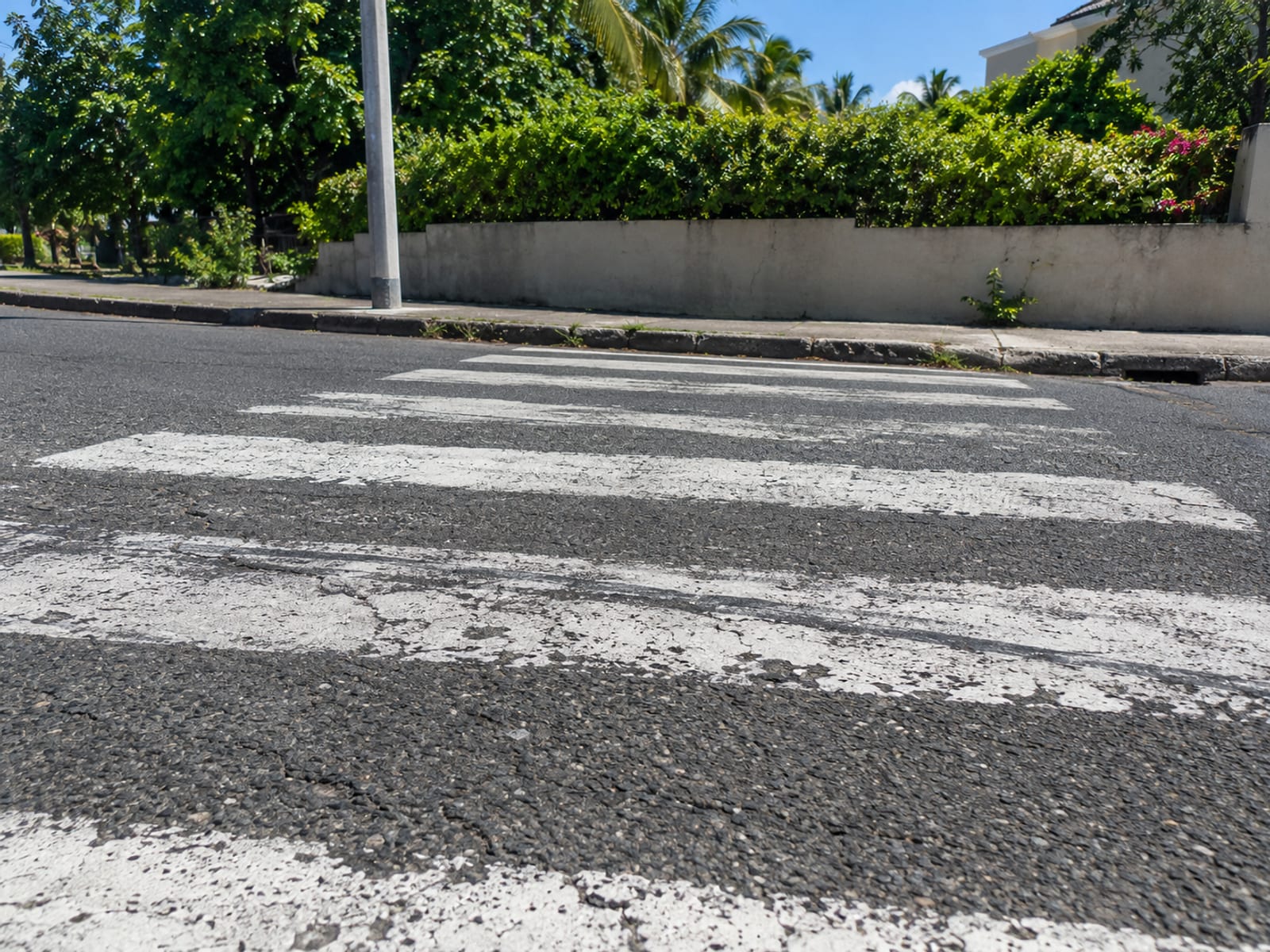
So, the sensible question for any operator is how the vehicle's seating, belts and child restraint arrangements match your child's age and size, and what the vehicle is approved to carry. Confirm this for the specific vehicle you are offered, and ask how a complaint or safety incident is recorded, what the backup plan is after a breakdown, and who to call first in an emergency. For more on what to look at, safety checks parents can make before choosing school transport goes through it in order.
Building A Route That Still Works On Half Days And Exam Days
The school year is not uniform, and a route that works in week two can fall apart in week nine. Ask your child's school for the current calendar, bell times, half days and examination timetable before you fix transport times. There is no single national daily schedule; each school publishes its own start and dismissal times. Meadowbrook High School, for example, lists hours of 7:45 a.m. to 3:40 p.m., and another school will differ.
Jamaica's school year, in the Ministry of Education's published 2023/24 calendar, runs from September 1 through August 31 in three terms, with a minimum guided by 190 contact days. Private schools may publish their own calendars and extra closure dates, so use your child's school calendar as the reference.
The route should have rules for the days that break the pattern. Does the afternoon run operate at the ordinary dismissal time? Is there a second run for early dismissal? Are examination candidates collected when their exam ends? Is an extra trip available when needed? Is transport provided during holidays, or only on scheduled school days? Siblings who ride together, children from different schools sharing a vehicle and a family that moves or changes school are worth raising too. A good route allows for the school year as it is actually lived, with its half days and its exam weeks, and the agreement says so in plain words.
If your child's needs change, such as a new address, a new school or a new term, ask how much notice the operator needs and how the route is adjusted, especially in the first weeks of a school year. For timing around the start of term, when to book back-to-school transport before September covers it.
Frequently Asked Questions
Is the school bus free in Jamaica?
Not generally. The National Rural School Bus Programme was free during an initial period and then moved to a subsidised student fare of $50 per trip with a student card. Students registered under PATH may receive free transport under the programme. That covers the designated government rural school bus services, not every school vehicle.
Do you have to pay for your kids to go to school in Jamaica?
Public education is intended to be accessible without tuition fees, but families can still pay for uniforms, books, meals, transportation and other school costs. Private school tuition is separate and depends on the school. Transport is its own arrangement unless the school includes it in tuition or another programme covers it.
How long are school hours in Jamaica?
There is no single national daily schedule. Each school publishes its own start, dismissal, after-school and examination times. Use your child's school calendar and timetable when you set transport times.
How much will bus fares increase in Jamaica in 2026?
The Transport Authority announced a 16 percent total adjustment for public passenger vehicles in two phases, 8 percent effective June 2, 2026 and a further 8 percent effective July 1, 2026. These are regulated public passenger vehicle fares, not private school transport prices.
How is a private school transport arrangement usually paid for?
It varies. Some operators use weekly payment or a monthly package, and others work by term or school year, one way or round trip. Ask the amount, the due date, any deposit, how absences are treated and the cancellation and refund terms before the first ride.
What should I have ready when I ask about a route?
The child's school, your home area, the morning and afternoon times from the school timetable, and the names of the adults allowed to receive your child.
Moving Forward
A private school arrangement is a daily routine with a few moving parts: a pickup point and window, a drop-off at the school entrance, an afternoon return and a named adult at the end. When you know how each part works, the questions about absences, delays, half days and payment become short ones to settle on paper before the first ride, and the daily run looks much clearer.
Getting those terms agreed early also saves you repeated phone calls later. A route that has been set up carefully, with written pickup windows and clear rules for the days that do not follow the pattern, is easier for your child to understand and easier for you to rely on across a whole school year.
D-JARPS Transport Solutions in Kingston, Jamaica has been open since 2024, runs its own vehicles and arranges transport anywhere in Jamaica as each trip needs it, including school transportation. Trips are arranged by phone between 6 AM and 10 PM every day, or through the trip request form on our contact page. Send us your child's school, your home area and the times you need, and we will go over the details with you, give the price and confirm the trip before the day.