Travel guide
Government School Bus or Private School Transport in Jamaica: Which Fits Your Child
This guide may contain affiliate links. If you buy or book through one, we may earn a commission at no extra cost to you. Read our affiliate disclosure.
You already know your child needs a dependable way to and from school. What you are working out is which one: the government rural school bus, a JUTC service, a route taxi or a private arrangement. They are different services built for different situations, and the right choice for a school bus vs private school transport decision in Jamaica usually comes down to four things: where your child's school and home sit, what time the school day starts and ends, whether lessons or activities run late, and who needs to be at the other end when your child arrives. This page sets the options next to each other, with each government figure labelled by its source and date, so you can see which one, or which mix, fits your child's route and timetable. It is meant to help you choose, not to sell you one answer.
Why Does The Choice Matter For Your Child's Actual School Day?
Transport shapes more of the school day than it appears to. It decides how early your child gets up, who they see before the first bell, how they get home after a late lesson and what happens when the timetable changes. A route that works on a normal Tuesday can fall apart on an exam day, a sports afternoon or a half day, and those are exactly the days parents tend to forget to plan for.
So, the useful way to compare options is by the situations in your child's own week. Consider the normal morning and afternoon, the late days, the half days and the days when the usual route does not run. Then ask what each option offers on each of them. Some families find that one option covers everything. Others find that two options together cover the week better than either alone.
Which Route, Stop And Timetable Does Your Child Actually Have?
Start with the map and the clock, since they rule options in or out quickly. The government programme runs on designated routes and schedules, and it is being rolled out in phases rather than reaching every school and community at once. Ask whether your child's exact school is served, not only your parish, and whether the stop is somewhere your child can walk to safely. Ask too whether the route operates on the first and last day of term.
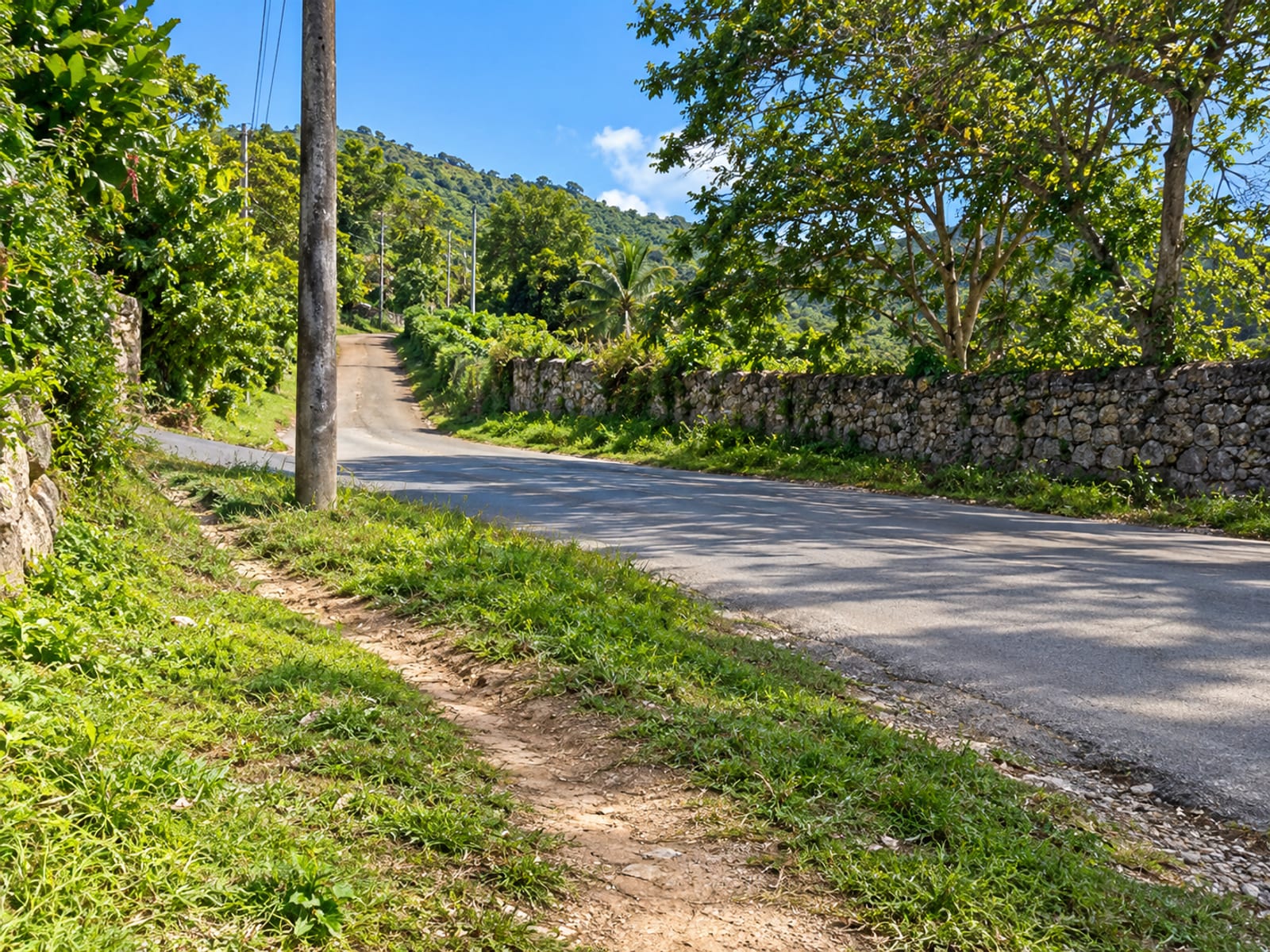
Then compare the clock. The Education Regulations, 1980 set minimum teaching hours, at least five for primary, all-age and secondary schools outside a shift system and at least four for shift schools, with a break of at least 30 minutes. They do not create one start and dismissal time for every school. Ministry examples include an extended day from 8:00 a.m. to 2:30 p.m., and about 7:30 a.m. to 2:30 p.m. for schools leaving the shift system. Your child's own timetable is the one that counts, and it is the first thing any transport provider will need from you. The Education Regulations, 1980 are published online by the Ministry of Justice.
What Do Government And JUTC Services Actually Provide?
The National Rural School Bus Programme is a Government of Jamaica initiative managed by JUTC with the education and transport ministries. It is intended for students on designated routes, especially in rural and underserved communities. The Jamaica Information Service reported that it officially rolled out in September 2025, and a later JIS report said the initial phase involved 110 buses.
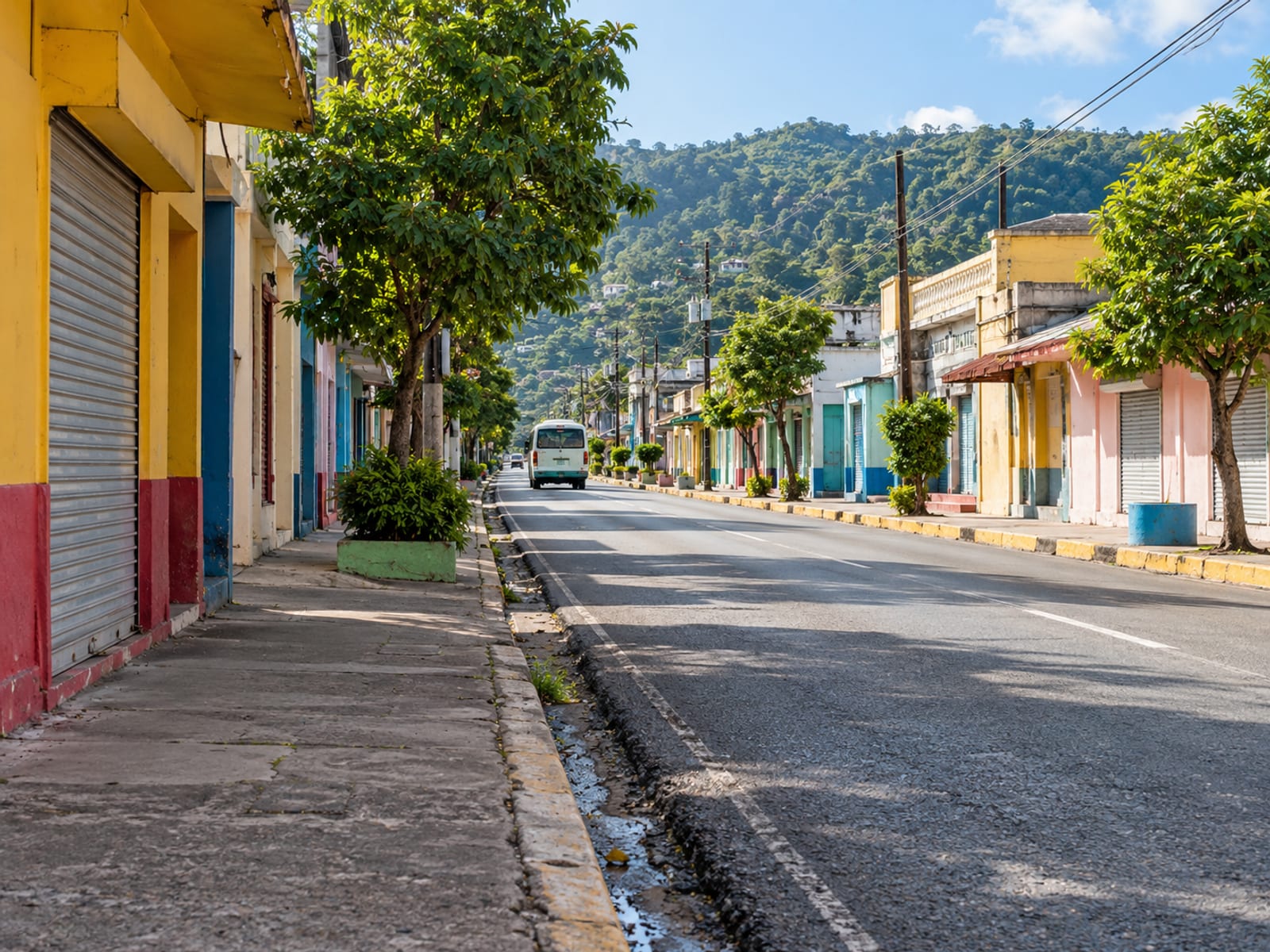
The fare has changed over time, so the date matters. Students rode free after the September 2025 rollout; JIS reported free JUTC and rural school bus rides through October 2025. After that, the subsidised fare became J$50 per trip through the student card system, and the Ministry advised that a valid access card with enough funds is required, as the JIS cashless card report explains. Separately, JUTC buses offered free student rides in September and October 2025 under a temporary back-to-school arrangement, according to JIS. Student cards record boarding and leaving and may generate parent alerts, and a February 2026 JIS report described operating windows of about 5:30 a.m. to 8:30 a.m. and 3:30 p.m. to 8:30 p.m. on weekdays. Those are programme-level windows, not a promise for every route.
JUTC also runs regular public bus services in the Kingston Metropolitan Transport Region and rural express routes, with concession fares that vary by service and the current fare table. Neither the rural school bus nor a regular JUTC bus is a private door-to-door contract. You confirm the route, stop, school eligibility and payment requirements for your child, and you check the current details with JUTC or the Ministry before relying on them.
When Does A Private Arrangement Fit Better?
A private arrangement tends to fit when the government routes do not reach your child's home or school, when the day ends after the afternoon service window, or when you need a specific adult to receive your child at home. It can offer pickup at the door or an agreed point, a fixed pickup window, a planned drop-off at home or a caregiver's address, and direct contact with the operator. It may also cover sports, clubs and extra lessons if the provider offers that service, and it can handle siblings or children from the same area on one run.
In return, a private arrangement asks things of you: paying the quoted rate, giving accurate addresses and access instructions, respecting the pickup window, telling the operator about absences and holidays, and naming who may receive your child. A private arrangement does not automatically include a particular vehicle size, safety feature or restraint system. Those details belong to the named provider and need to be confirmed. For the daily mechanics, how private school transportation works in Kingston goes through a normal school day on a shared route.
What Will The Transport Cost, And What Changes The Price?
Cost questions come in two sizes. The first is the fare your child pays on a government service, which is covered above. The second is the price of a private arrangement, which has no standard figure. We do not quote one here, because the price depends on the route and the school.

What changes the price of a private arrangement:
- Distance and stops: A longer route with more stops costs more to run.
- One way or return: Morning-only, afternoon-only and both directions are different services.
- School days covered: The number of riding days, and whether holidays are included.
- Pickup type: Door to door and a meeting point are priced differently by some operators.
- Extras: After-school pickups, half-day and exam-day runs, waiting time and occasional rides.
Three other cost questions come up often. Is the school bus free in Jamaica? Only for the free period after the 2025 rollout; since then the subsidised J$50 fare applies, and from February 1, 2026 riders need a student card. Do you have to pay for your kids to go to school in Jamaica? Public education and transport are separate questions, and families can still pay for uniforms, books, meals, activities and transportation, while private schools and private providers set their own charges.
And what is the cost of the 110 school buses in Jamaica? The Minister of Energy, Transport and Telecommunications stated that the Government paid J$1.4 billion for 110 buses, which is about J$12.7 million per bus as a simple average, according to reporting in the Jamaica Gleaner. That is the Government's reported cost of buying the buses, not a fare a parent pays, and the same reporting records a call for a probe into the purchase, so treat the figure as the Government's stated one.
How Do You Plan For Half Days, Activities And The Afternoon Handoff?
The afternoon is where most plans get tested. A child who finishes after the last government run, stays for sports or extra lessons, or has an early dismissal on an exam day needs a different arrangement from the one that worked in the morning. The Ministry's security and safety guidance says students in recognised after-school activities should be supervised and that students who remain on campus after the teaching period should be monitored until they leave, so the question is who takes over at the gate.
This is where a mixed arrangement earns its place. Some families use a government or public bus for the morning when the route and timetable fit, and a private pickup after school on days with sports, lessons or other activities. Others keep a private provider as a backup for route changes, half days or special school events. These are family choices, not programme rules, and a mixed plan needs a written outline of the morning provider, the afternoon provider, the handoff point, the authorised adult and how everyone communicates. For afternoon runs in particular, see after-school and extra-lessons pickups in Kingston.
What Licensing, Restraint And Safety Responsibilities Apply?
A private provider should be able to show documents, and you are entitled to ask for them. The Transport Authority's published material lists road licence, vehicle documents and driver requirements for public passenger operations. Its FAQ says a PPV driver badge is required, valid for two years after the required process, with a temporary badge possible at first. A route taxi or a private arrangement is not safe or compliant just because it is advertised online, so ask to see the paperwork.
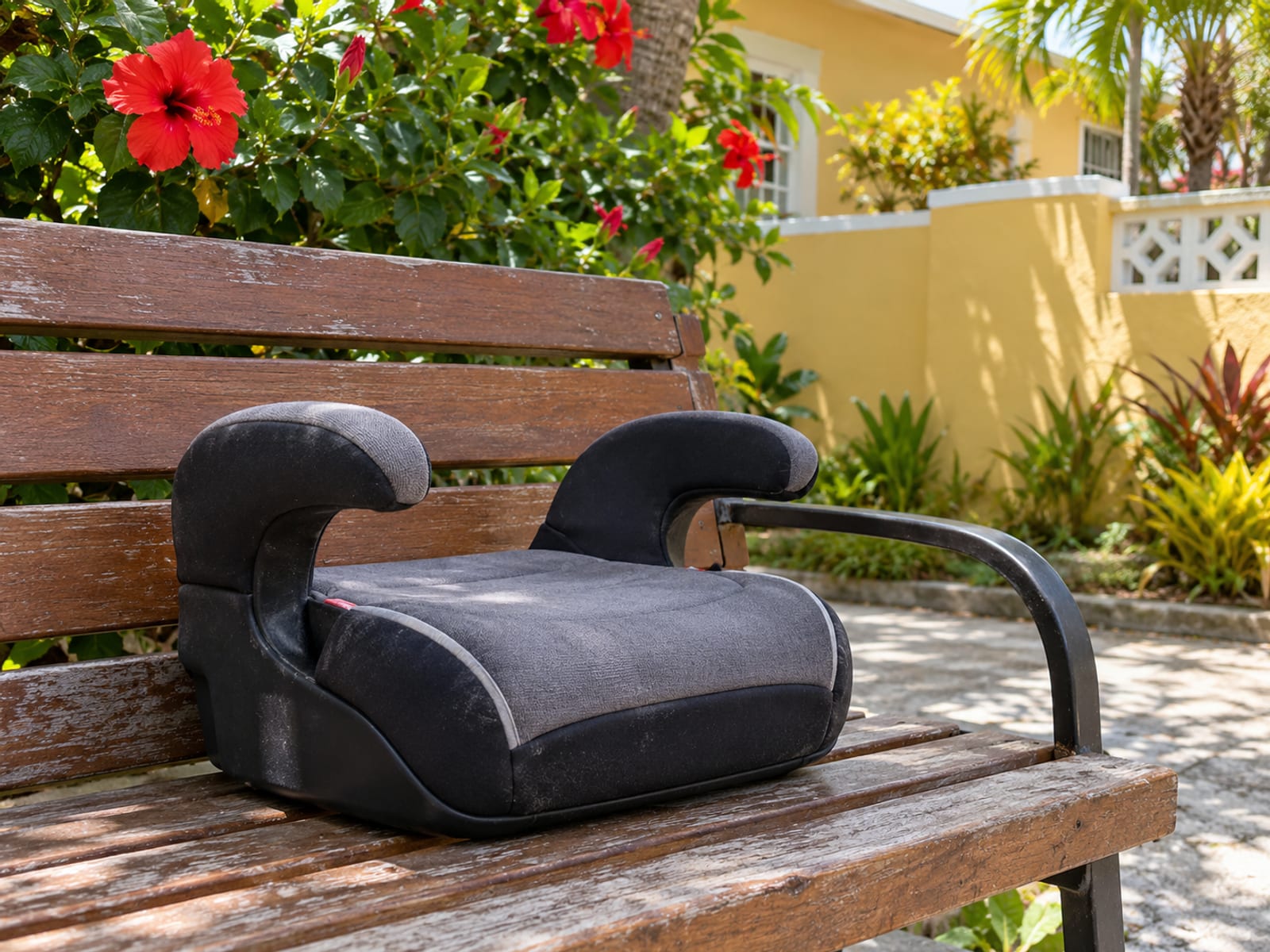
On restraints, the Road Traffic Act 2018 places responsibility on the driver to make sure passengers wear seat belts where applicable and that children are carried in the prescribed child restraint system. The Act and regulations came into effect on February 1, 2023, as the Ministry's forms page records. For licensed public passenger vehicles, the published guidance says a child under one must be restrained by an adult, and the age bands of one to three, three to six, six to nine and over nine have different permitted arrangements, as the JIS report on child restraints describes. Check what applies to your child and the actual vehicle. A fuller list of things to check is in safety checks parents can make before choosing school transport.
What Should Be In Writing Before The First Day?
Whichever option you choose, write down the plan. With a government service, that means the route, the stop, the card and top-up arrangement, and who receives your child at home. With a private provider, it means the full terms.
For a longer set of questions to put to any provider, see what to ask before you hire a school transport service.
Frequently Asked Questions
Is the school bus free in Jamaica?
Students rode JUTC and the rural school buses free in September and October 2025, as JIS reported. After that the subsidised fare is J$50 per trip through the student card system, and the card is required from February 1, 2026. These apply to designated government services, not to every bus.
What is the cost of the 110 school buses in Jamaica?
The Government has reported paying J$1.4 billion for 110 buses, about J$12.7 million per bus as a simple average. That is an acquisition cost, not a fare a parent pays.
Do you have to pay for your kids to go to school in Jamaica?
Public education and transport are separate questions. Families may still pay for uniforms, books, meals, activities and transportation. Government school transport may be free or subsidised depending on the service and date, and private schools and private providers set their own charges.
How long are school hours in Jamaica?
They vary by school. The regulations set minimum teaching hours and a break of at least 30 minutes, and each school sets its own arrival and dismissal times. Use your child's timetable.
Can I use the government bus in the morning and a private pickup after school?
Yes, many families arrange it this way. Write down the handoff point, who receives your child and how the two providers reach you.
Which option suits a child with sports or extra lessons?
The government service runs on set windows, so a child who finishes late may need a private afternoon pickup. Check the actual dismissal times against the published service windows.
The Bottom Line
The right choice depends on your child's route, timetable and week. Check the route first, the clock second and the exceptions third, and then match each part of the week to the option that serves it. A government route is a reasonable fit when it serves your child's school and home and the times line up. A private arrangement fits when you need pickup at home, a fixed handoff or an afternoon run, and a mix fits when the morning and afternoon need different things.
Whichever you choose, a written plan is what makes it dependable. Once you know the stop or pickup point, the times, who receives your child and what happens on half days and exam days, the daily routine becomes easy to repeat.
D-JARPS Transport Solutions has been open since 2024, runs its own vehicles and arranges transport anywhere in Jamaica as each trip needs it, including school transportation. School availability is confirmed directly for each child and route. Trips are arranged by phone between 6 AM and 10 PM every day, or through the trip request form on our contact page. Send us your child's school, home area and times, and we will go over the details with you, give the price and confirm the trip before the day.