Travel guide
Packing for a Cruise Stop in Jamaica
This guide may contain affiliate links. If you buy or book through one, we may earn a commission at no extra cost to you. Read our affiliate disclosure.
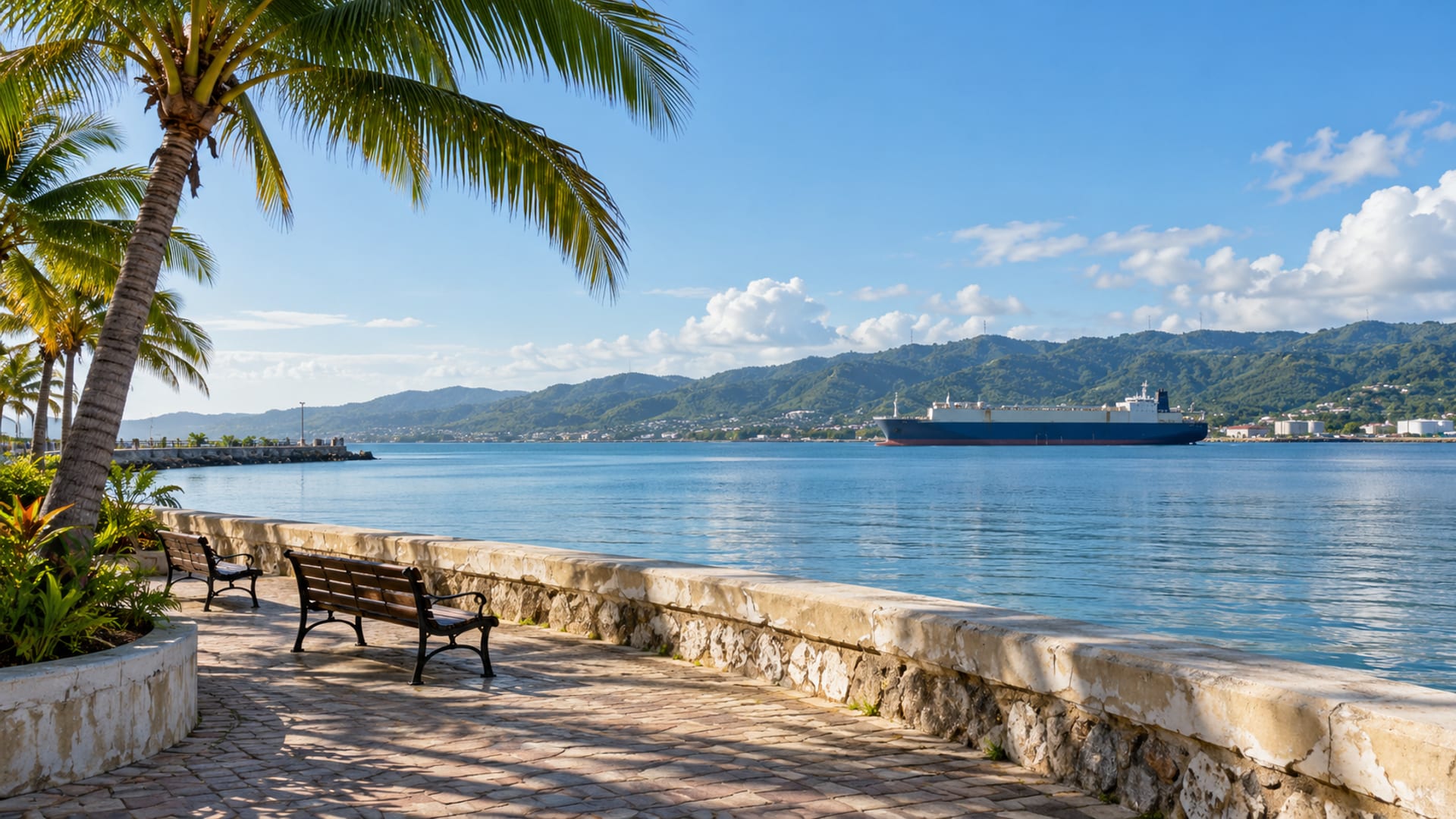
When your ship docks in Jamaica, you have a few hours, a hard return time and one bag to get right. Knowing what to bring on a cruise excursion in Jamaica comes down to a simple trade: carry enough to be comfortable and get back on board, and leave everything else behind so the day stays easy. Take too little and you are without sun cover, a dry shirt or your ship card. Take too much and you are watching a bulky bag in the sun, or worse, wondering whether it will be allowed back on the ship. The right bag depends on the port, what you plan to do and what your ship and tour operator supply. Work through those three questions first, and the packing list almost writes itself.
Decide What Kind of Jamaica Day You Are Packing For
Three details shape the bag. The first is the port. Jamaica's cruise ports are at Falmouth, Montego Bay and Ocho Rios, according to the Port Authority of Jamaica, and each has its own mix of shopping, beaches and nearby attractions. The second is the activity: a beach, a river, a waterfall, a town walk, shopping or an organised excursion. The third is what is supplied. Ask whether towels, food, water, lockers and footwear are included, what the meeting point is, and what time you must be back.
Write those answers on the back of your excursion ticket or in your phone notes. The ship's own instructions control, and cruise-line guidance differs between lines. Community accounts differ too, so treat them as personal experience and not as official rules.
The Small Shore Bag That Covers Reboarding and Essentials
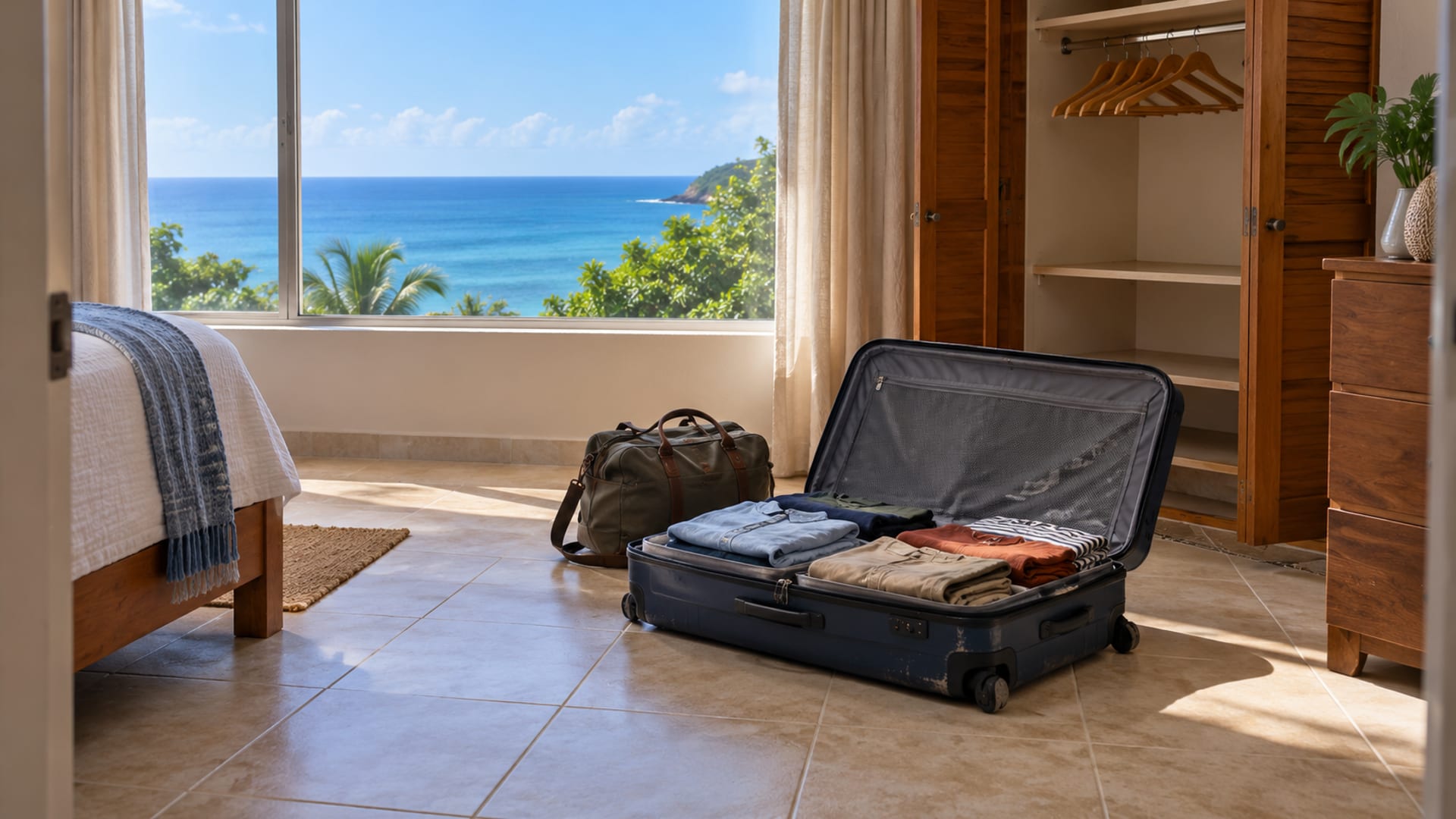
Cruise lines generally recommend a small shore bag, and the common items are the same across them. Your ship card (the card your line uses for leaving and reboarding) comes first. Add government-issued photo identification where the ship or the excursion asks for it, plus your excursion ticket or meeting instructions. A small amount of cash and a payment card cover tips, snacks and small purchases. A phone and a portable battery keep you reachable, and a power bank is easy to slip into the bag.
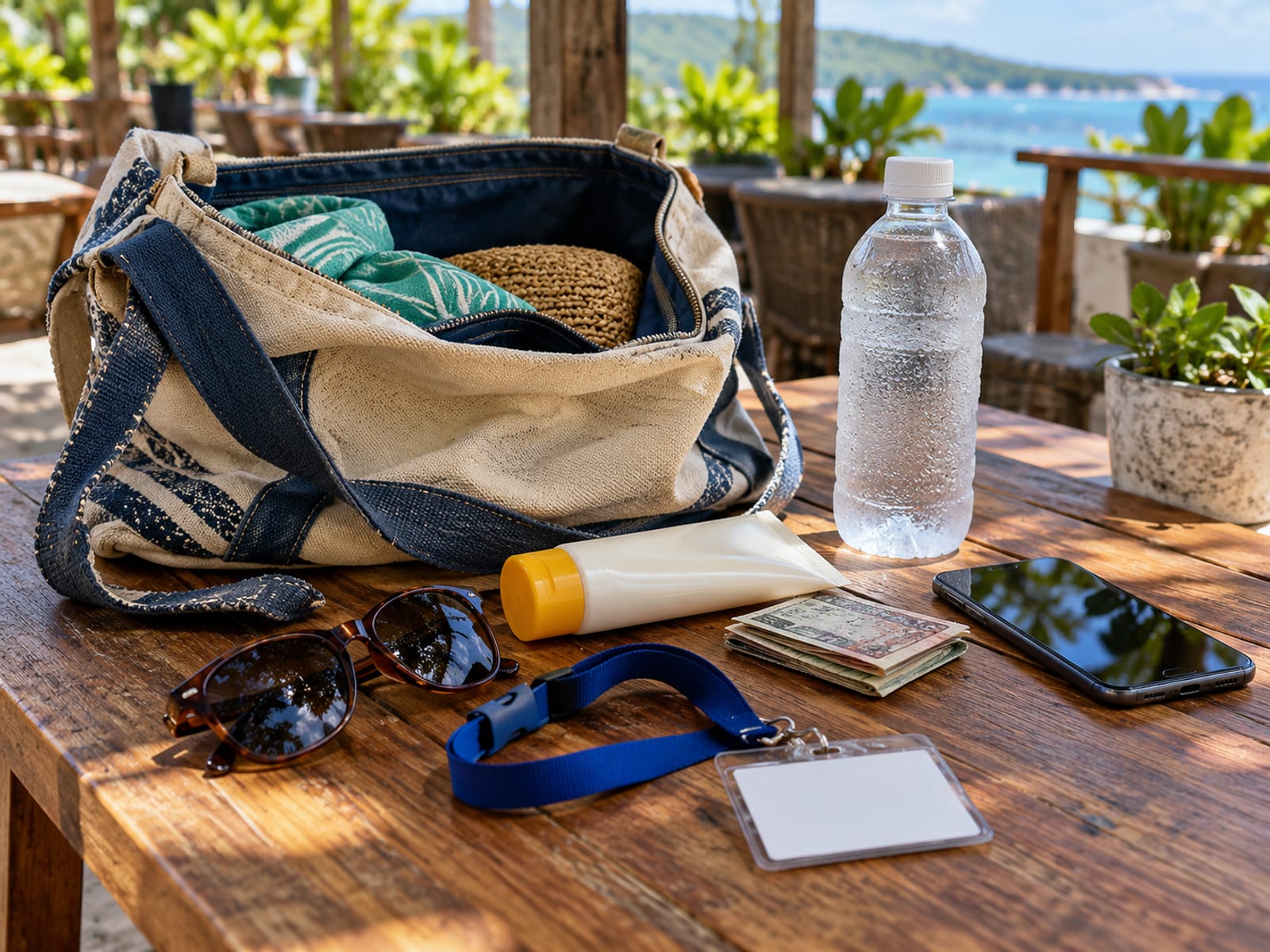
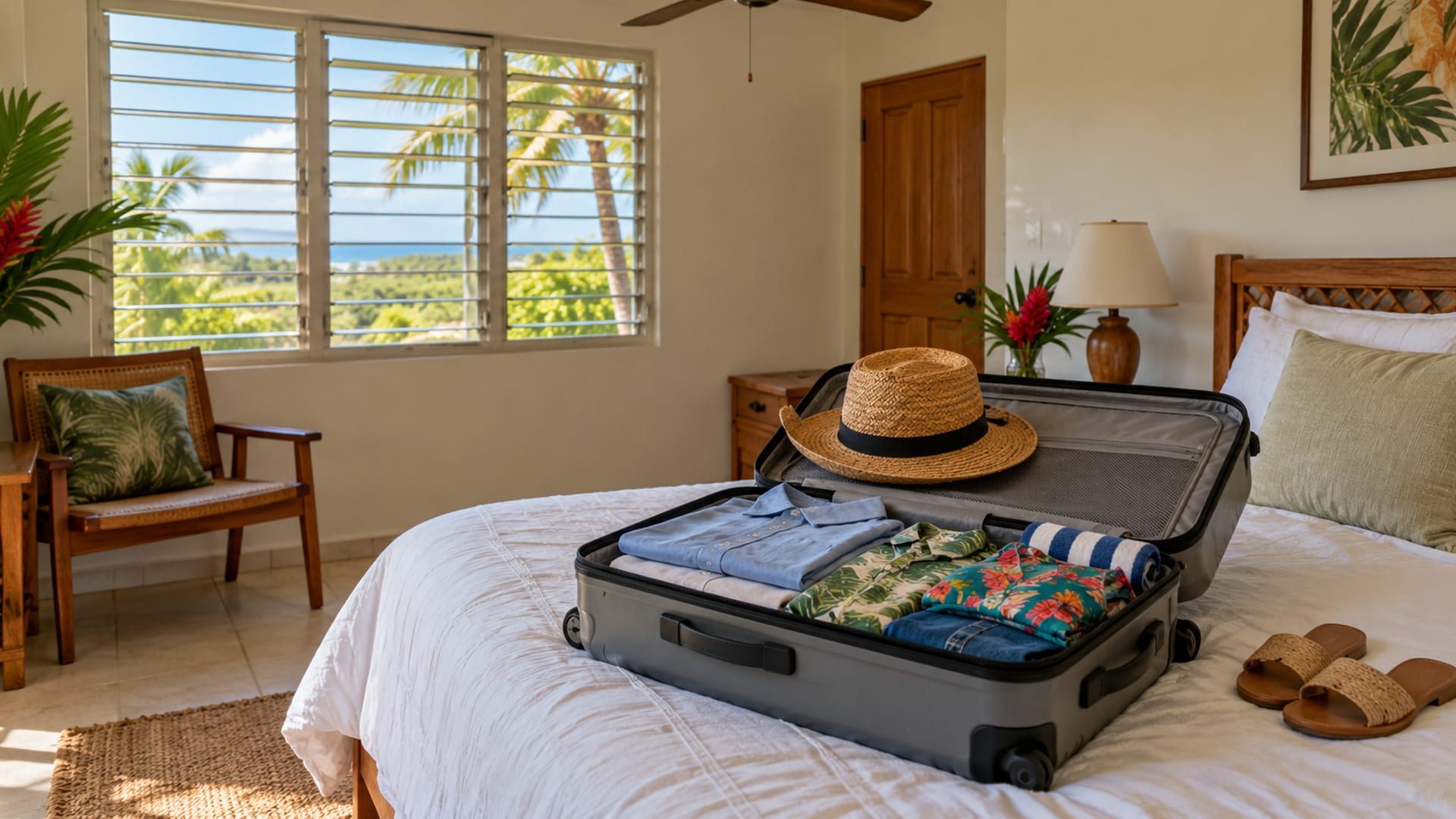
For the day itself, pack sunscreen, sunglasses and a hat, and keep prescription and essential medication on you. If water is part of the plan, add a swimsuit, a cover-up and a dry change of clothes. A packable daypack folds small in your cabin and gives you a light bag for the day, which beats a bulky backpack on a short port visit. Travellers who have done this often say they were glad they carried less.
Packing for Beaches, Rivers, Waterfalls and Caves
For a beach day, a swimsuit and cover-up work for swimming and for walking between transport, beach and facilities. Bring the ship's towel if the beach or excursion does not provide one, along with sunscreen, a hat and sunglasses, and a dry change for the walk back to the ship. A waterproof phone pouch protects your phone, ship card and cash around water.
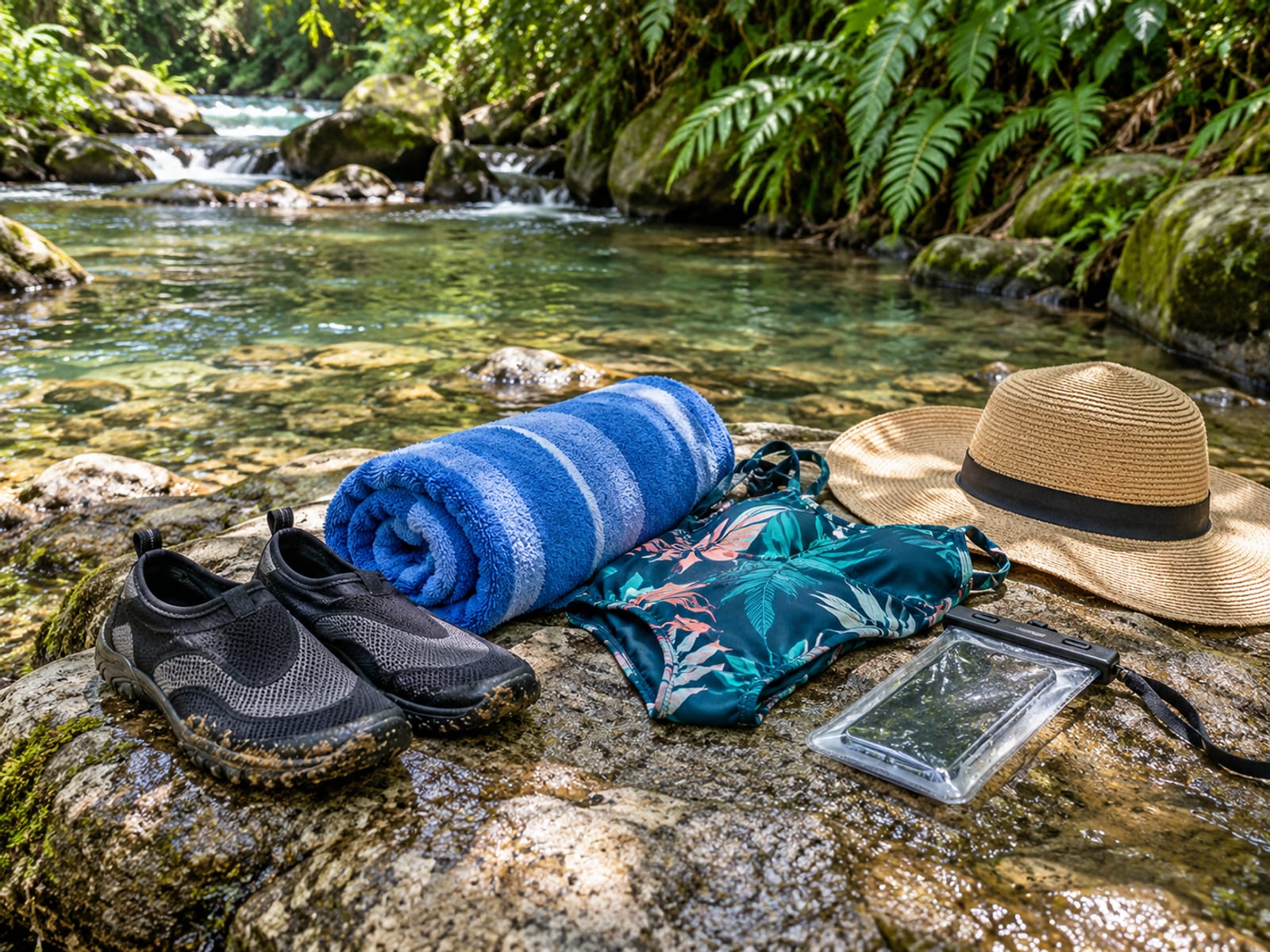
River, waterfall and cave activities are rougher on feet and gear. Rocks are wet and uneven, so secure water shoes or footwear with grip make a real difference, and water shoes in your size are worth bringing from home, since a pair near the port may not fit. Add quick-drying clothes, a dry change, a towel if not supplied, and a sealed pouch. Visit Jamaica says water shoes are sold in shops and craft markets, but you cannot count on your size. Anything that cannot tolerate water, such as a camera not made for it, should stay aboard.
The CDC recommends sunscreen, a hat and protective clothing for the strongest sun, and says to apply sunscreen first and insect repellent second. A mineral sunscreen is one option, and an insect repellent is useful in wooded or wet places. Our beach and river day packing list goes further if your day is mostly water.
Packing for Falmouth, Montego Bay and Ocho Rios Port Days
Falmouth is the port people ask about most. Is Falmouth walkable from the cruise port? The port area has an Artisan Village, shops, restaurants and port facilities. Visit Jamaica describes walking tours of historic Falmouth and a shuttle trolley from the port into town, but the practical distance and route depend on the berth, terminal access and current arrangements. Ask at the port information booth before you leave the secure area.
What can you do in Falmouth without an excursion? You can stay in the port complex for shopping, food, crafts and entertainment, or walk through historic Falmouth. Visit Jamaica also describes the craft market and nearby attractions such as Martha Brae rafting and Good Hope. Anything outside the port takes transport and time planning.
Montego Bay and Ocho Rios have their own pulls. Visit Jamaica describes Montego Bay beaches and nearby attractions, and Ocho Rios waterfalls and gardens. For any of them, a comfortable pair of walking shoes, a hat, sunglasses, sunscreen and a rain layer in wetter months cover a town day. A compact umbrella is light enough that a travel umbrella fits in most small bags.
For a group that wants one vehicle for the day, our guide to planning a cruise day group charter explains how to build the day around all-aboard time.
Medicines, Water, Sun and Insects
Medication is the item you cannot buy your way out of. Keep prescription and essential medicines on you in original labelled containers. The CDC advises bringing the medicines you need, including extra in case of delays, because brand names and ingredients can differ at your destination. Jamaica Customs lists pharmaceuticals as restricted goods that may need a Ministry of Health permit, so confirm requirements for controlled or unusual medicine before you travel.
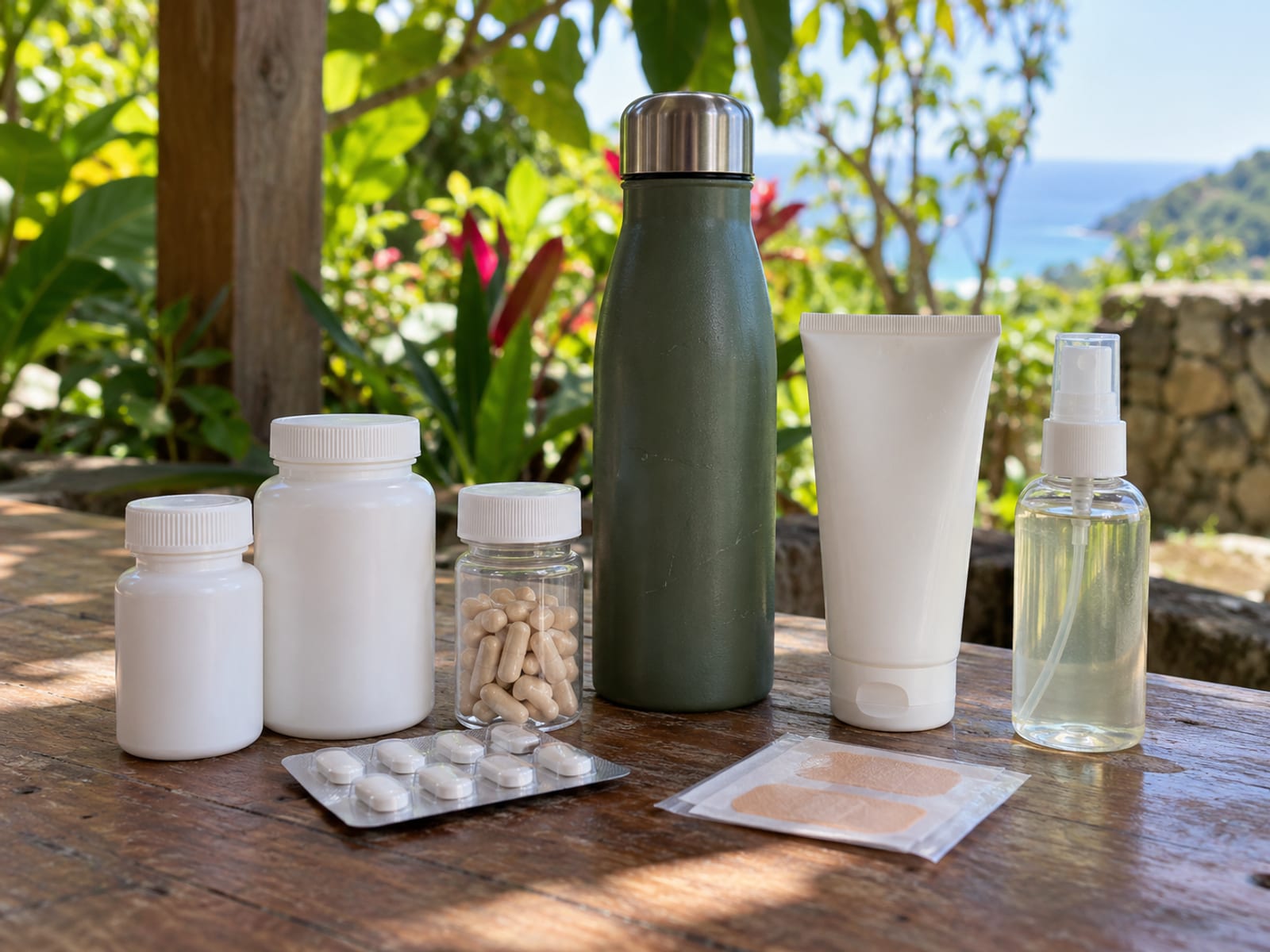
Can you drink tap water in Jamaica? The CDC Yellow Book says tap water is safe for drinking in Jamaica and that hotels usually have water filtration systems, and Visit Jamaica says drinking water is purified and filtered. On a port day, a reusable bottle is handy, and bottled water is widely sold. If you have a weakened immune system or a specific medical concern, follow your own medical advice and use sealed bottled water if you prefer.
The CDC also lists dengue and Zika as mosquito-borne risks and recommends avoiding bites, using repellent as directed and wearing protective clothing where practical. Pack a small first-aid supply, hand sanitiser, and a remedy for motion sickness if your plan includes a long road or boat segment. Some travellers use acupressure motion-sickness bands on winding roads.
What Must Stay on the Ship or at Home
Leave behind anything you do not need for the day: spare expensive items, large amounts of cash, bulky bags and unnecessary electronics. Travellers regularly name these as things they regretted carrying.
Food and drink need special care. Cruise lines generally restrict what you can bring back aboard, and the exact rule belongs to the ship. Royal Caribbean, for example, permits limited non-perishable, prepackaged food, and alcohol bought in a port is held by ship personnel and returned near the end of the cruise. Fresh fruit, meat, cooked meals and open drinks may be prohibited by the ship or by port and agricultural rules, so do not assume a snack from a beach or market is allowed back on board.
Jamaica Customs also restricts some clothing. Camouflage clothing and denim resembling Jamaica Constabulary Force apparel are restricted, so leave them at home. The Port Authority of Jamaica notes port security services, including screening and monitoring, so ask port security or your ship's shore excursion desk about unusual items before you carry them ashore. Drones: recreational use does not require a permit, according to the Jamaica Civil Aviation Authority, but professional operations do, so check before packing one.
Arriving With Luggage and Choosing Transfer Space
Some cruise passengers fly into Jamaica to join a ship, or stay on the island before or after a cruise. That adds suitcases to the plan. Airline rules vary by fare, route and aircraft. American Airlines lists a carry-on up to 22 by 14 by 9 inches and a personal item up to 18 by 14 by 8 inches, with a standard checked bag at 62 linear inches. Delta and JetBlue list the same 22 by 14 by 9 inch carry-on and a standard checked bag of 62 linear inches, and JetBlue lists a 50 pound limit. Fees depend on fare, route, date and status.
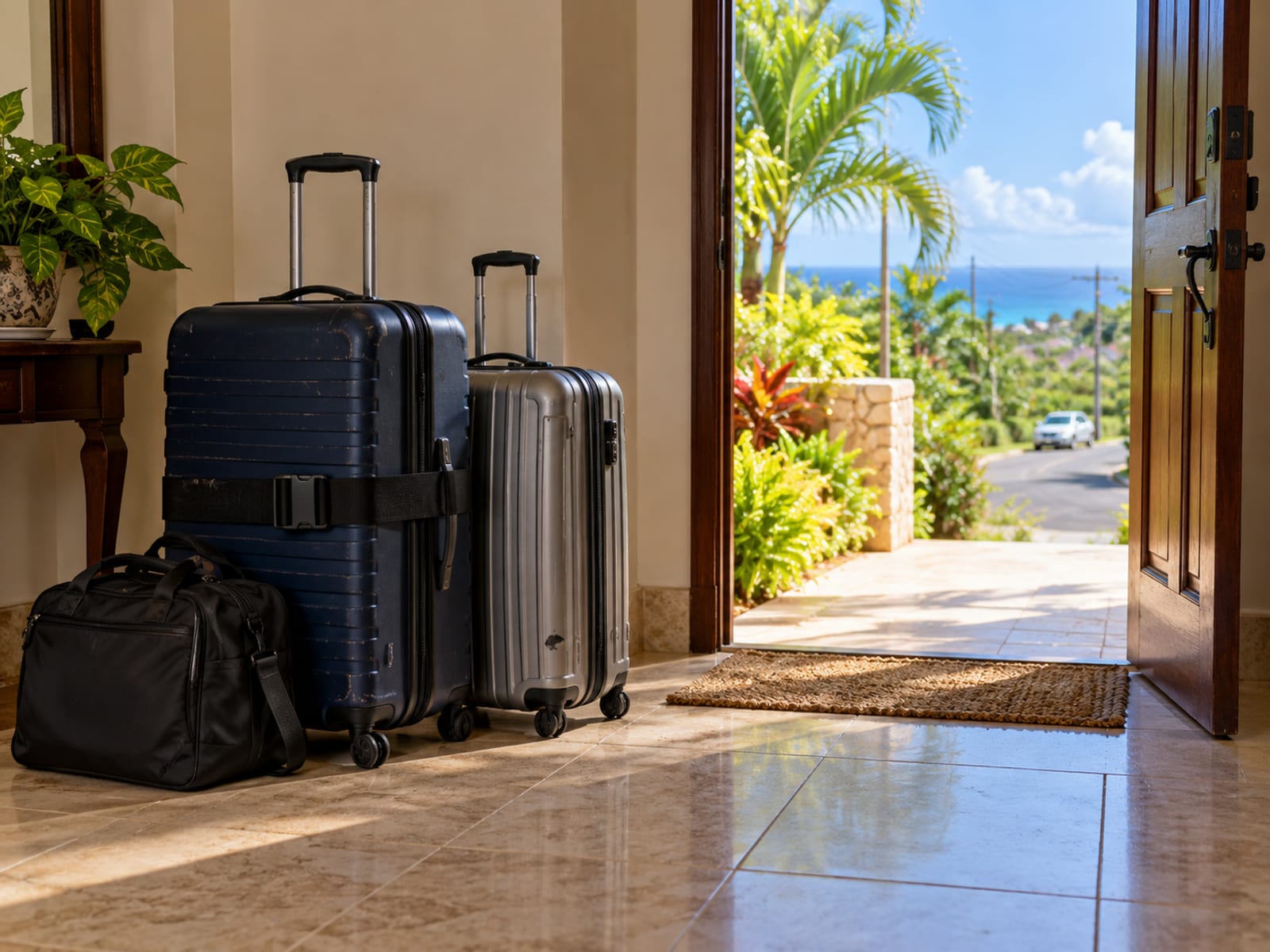
The ride from the airport or to the port also needs space. Operators publish their own passenger and luggage figures, and those figures differ by vehicle type, so a passenger count does not tell you how many bags fit. Soft bags pack more neatly than hard-shell cases, and golf bags, strollers and beach gear take extra room. Give the transport provider your passenger count, the number and type of bags, and any bulky items. Our guide on how much luggage fits in an airport shuttle walks through what to settle before the day.
What You Can Buy in Jamaica and What to Pack Ahead
Many ordinary items are easy to find on arrival. Bottled water and ordinary drinks, basic snacks, common toiletries, simple beach clothing, hats, souvenirs and local food are sold around the ports. Visit Jamaica describes shops, craft markets, food outlets and souvenir stores in the Falmouth port area, and says bottled spring water is widely available.
Other items are better brought from home:
- A required medicine or a replacement for a regular medication
- Specialised medical supplies
- A specific sunscreen or a sensitive-skin product
- Water shoes in your size
- Camera accessories and specialised charging equipment
- Large-size or specialty clothing
Do not rely on buying a required medicine after you arrive. If you are unsure whether something is sold near the port, ask the ship's shore excursion desk or a shop before you count on it.
Weather, Electricity and Last Checks Before Leaving the Ship
Jamaica has a hot, humid tropical climate. Visit Jamaica identifies two rainy periods, May to June and September to November, and the Caribbean hurricane season runs from 1 June to 30 November. Rain can fall outside the main rainy periods, so a compact rain layer or waterproof pouch is useful. Mountain and inland areas feel cooler than the coast, especially after rain or at night, so add a light layer for inland excursions.
If you carry electronics, Jamaica uses Type A and Type B plugs on a 110 volt, 50 hertz supply. Visitors with different plugs may need an adapter, and heating appliances should be checked for 110 volt compatibility. Most shore days need only a phone and a battery, though.
Allow a margin before all-aboard time. If your day includes a stop outside the port, such as a river, a market or an attraction, the transport and the time on the road need planning before you leave the ship.
Some of the words on cruise and customs pages are easy to misread, so the main ones are defined here.
Frequently Asked Questions
What should I bring on a cruise excursion in Jamaica?
Your ship card, photo ID where asked, excursion details, a little cash and a payment card, phone and a portable battery, sunscreen, repellent, essential medication, and for water activities a swimsuit, dry clothes, secure footwear and a waterproof pouch.
Is Falmouth walkable from the cruise port?
The port has an Artisan Village, shops and restaurants, and Visit Jamaica describes walking tours and a shuttle trolley into historic Falmouth. The practical route depends on the berth and current arrangements, so ask at the port information booth.
What can I do in Falmouth without an excursion?
Stay in the port complex for shopping, food and crafts, or walk through historic Falmouth. Attractions outside the port need transport and time planning.
Can you drink tap water in Jamaica?
The CDC Yellow Book says tap water is safe for drinking in Jamaica, and Visit Jamaica describes drinking water as purified and filtered. Use sealed bottled water if you prefer or if your doctor advises it.
Can I bring food or alcohol back on the ship?
It depends on the cruise line and ship. Many restrict food, and alcohol bought ashore is often held until the end of the cruise, so check your line's rules.
What should I leave on the ship?
Expensive items you do not need, large amounts of cash, bulky bags and anything your cruise line or the excursion operator restricts.
Final Thoughts
Pick your port and activity first, then pack a small shore bag around them: ship card, ID where asked, excursion details, a little cash and a card, a phone with a battery, sun cover, repellent, medication and a dry change for water. Leave extras aboard, follow your ship's rules on food and drink, and keep your return time in view all day.
A light bag makes the day easier, and it keeps your attention on the beach, the river or the market instead of your belongings. When your plans take you away from the port, plan the ride and the time it takes before you leave the ship.
At D-JARPS Transport Solutions in Jamaica, we run our own vehicles and arrange transport anywhere in the island as each trip needs, including airport and cruise port transfers anywhere in Jamaica through our airport shuttle service. Tell us your passenger count, your bags and your pick-up time, and we will go over the details, give you the price and confirm the trip before the day. Trips are arranged by phone from 6 AM to 10 PM every day, or through the trip request form on our contact page.