Travel guide
Packing for a Month in Jamaica
This guide may contain affiliate links. If you buy or book through one, we may earn a commission at no extra cost to you. Read our affiliate disclosure.
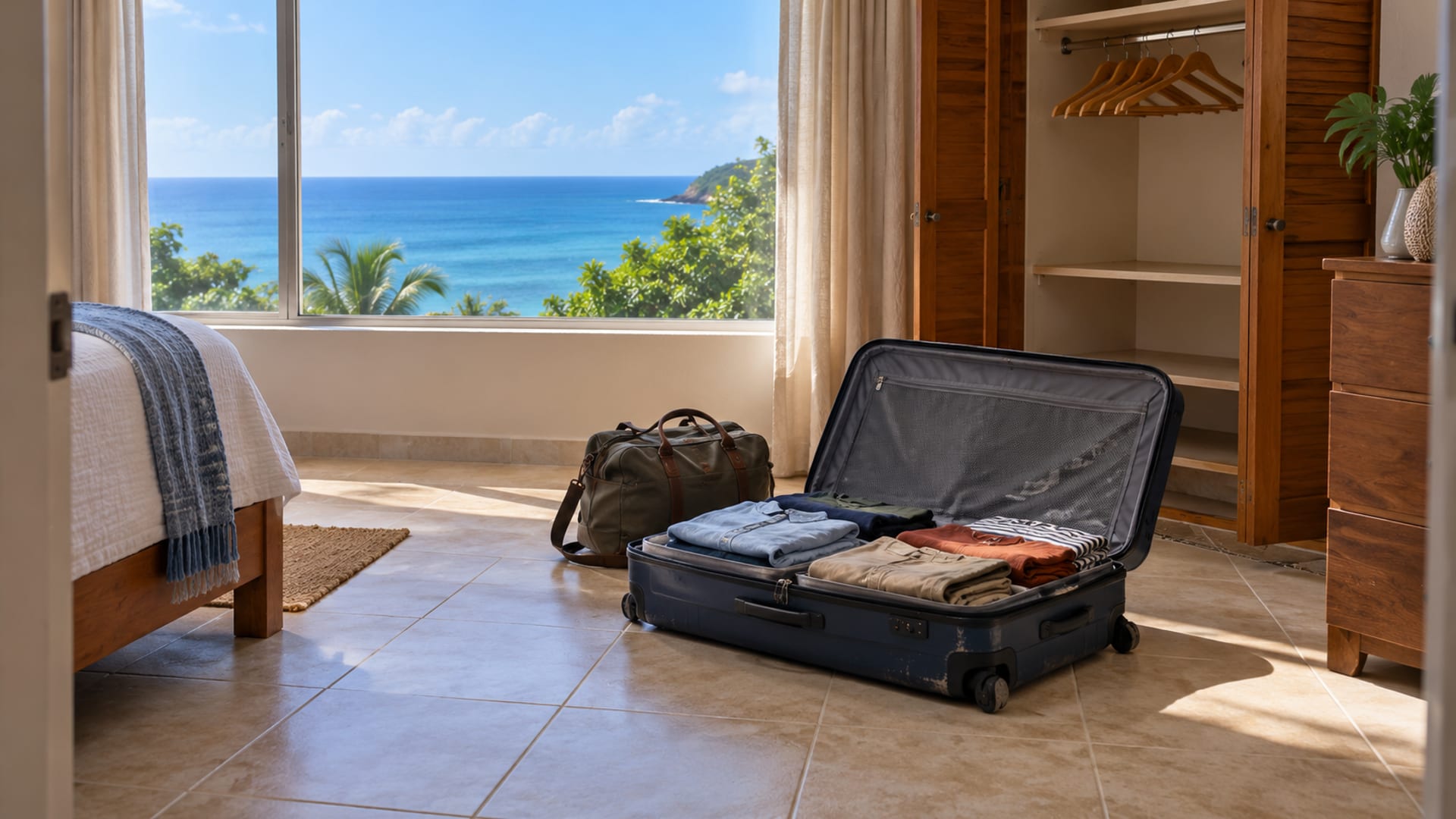
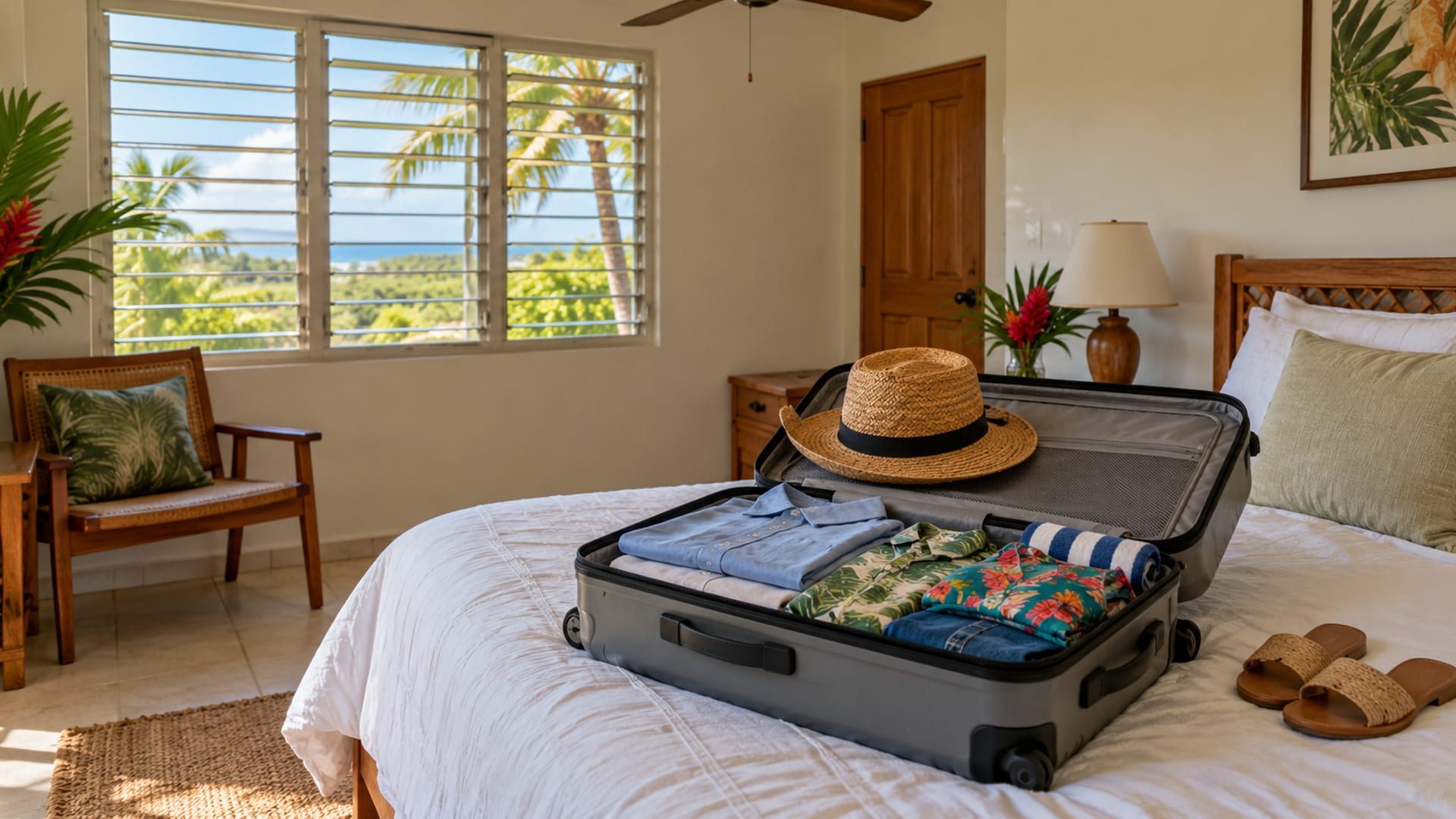
If you are staying in Jamaica for a month, the worst way to pack is to take a week-long list and multiply it by four. That plan gives you a suitcase you cannot lift and a closet's worth of clothes you will never wear. What to pack for a month in Jamaica depends on a few facts: where you will stay, whether you can wash clothes, what the weather will be like, what fills your days, and how much luggage the airline and the airport transfer vehicle will take. Maybe you are visiting family, working from a laptop, taking a long holiday, or doing all three. The good news is that a month calls for a system, not a bigger wardrobe. The sections below show how to pack once, carry less, and still have what you need on day twenty-five.
How Do You Pack for Laundry Instead of Thirty Separate Outfits?
Start by asking one question: where will you wash clothes? Accommodation may provide laundry, but availability and cost vary, so confirm it before you finalize the list. If you can wash weekly, you need roughly a week of clothes and a way to keep them clean. If you cannot, you need more underwear and socks and a plan for hand washing.
The wash-and-repeat system works like this. Pack enough underwear, socks and everyday clothing to cover the stretch between washes. Add a lightweight laundry bag, detergent sheets or a small amount of suitable detergent, and a way to hang damp swimwear. Choose tops and bottoms that mix and match, so six tops and four bottoms make many combinations.
The 5-4-3-2-1 formula is one version of a short-trip shortcut (our one-week packing list uses a slightly different count): five pairs of socks and underwear, four tops, three bottoms, two pairs of shoes and one dressier outfit, hat or swimsuit. For a month, treat it as a starting point and adjust it for laundry, weather and what you will be doing.
What Does a Month-Long Clothing Rotation Look Like?
A rotation is your everyday clothing plus a few special options. Everyday means lightweight, breathable fabrics, because Jamaica is hot and humid all year, with temperatures from about 19°C to 32°C according to the Jamaica Tourist Board. Add a lightweight rain layer, shoes that handle wet conditions, and a light layer for air-conditioned rooms or cooler hills.
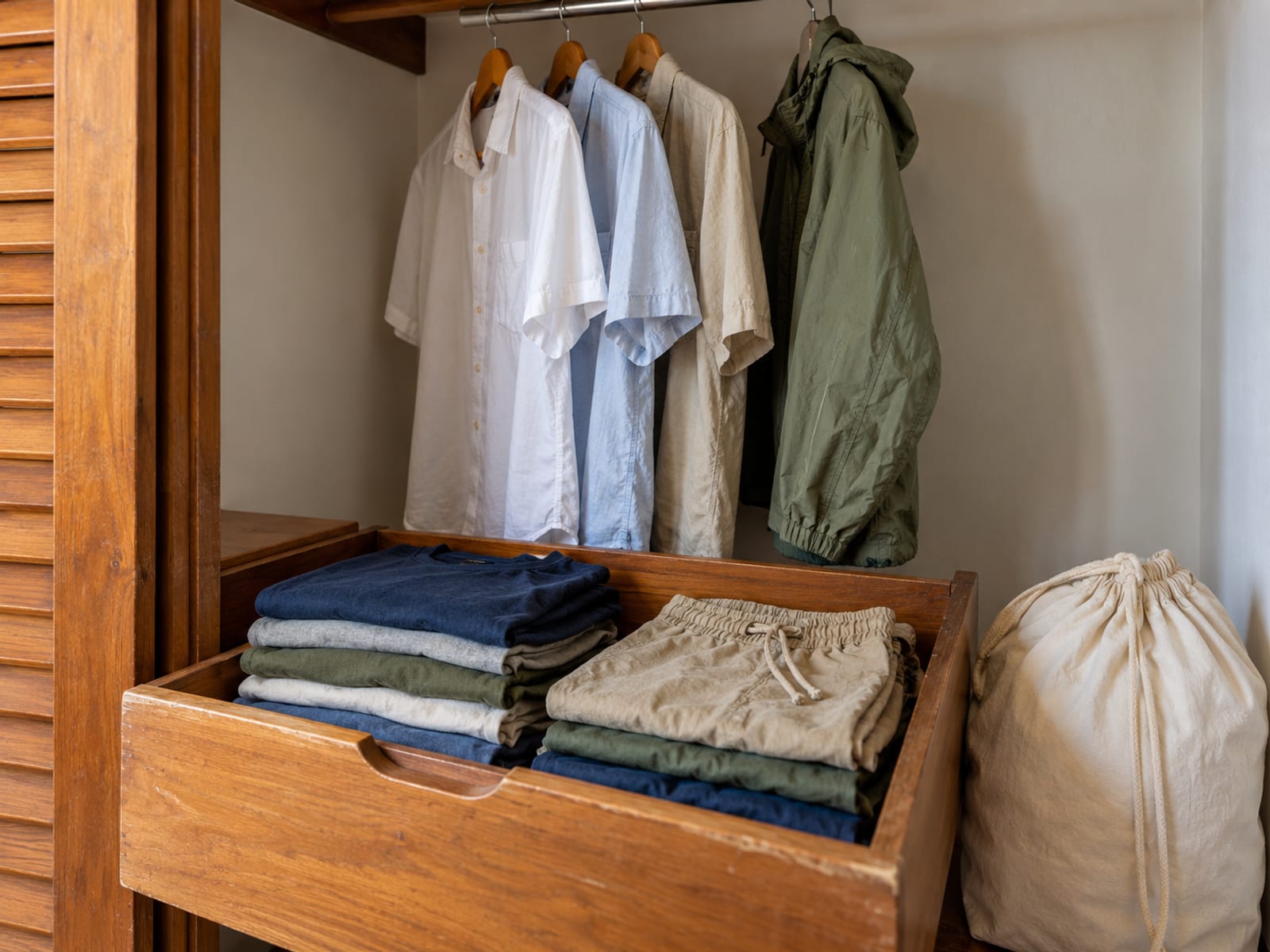
Your purpose changes the rest of the list. The three common stays differ like this:
Travellers who have been through long stays often say they wished they had brought more than one or two swimsuits, because wet items dry slowly. They also mention water shoes for rocky beaches, comfortable walking shoes for excursions and a light rain jacket, and many regret bringing too many clothes, too many shoes or a laptop they barely used. These are personal accounts, but they point the same way: fewer, better-chosen pieces.
Should you roll or fold? Either can work. Rolling can make small items easier to organize and can reduce unused space. Folding suits structured or easily creased garments. For a long stay, packing cubes keep a rolled-and-folded mix sorted, so you can find clean clothes without unpacking the whole bag.
Can you wear orange in Jamaica? Orange clothing is not generally prohibited for visitors. Dress for the setting and respect any venue's rules. Camouflage is the item to leave at home.
Which Items Are Hard to Replace, and How Do You Protect Them?
Ordinary toiletries, snacks and basic clothing are easy to buy. The things worth protecting are the ones you cannot swap at a local shop: medication, documents, work equipment and anything sized for you.
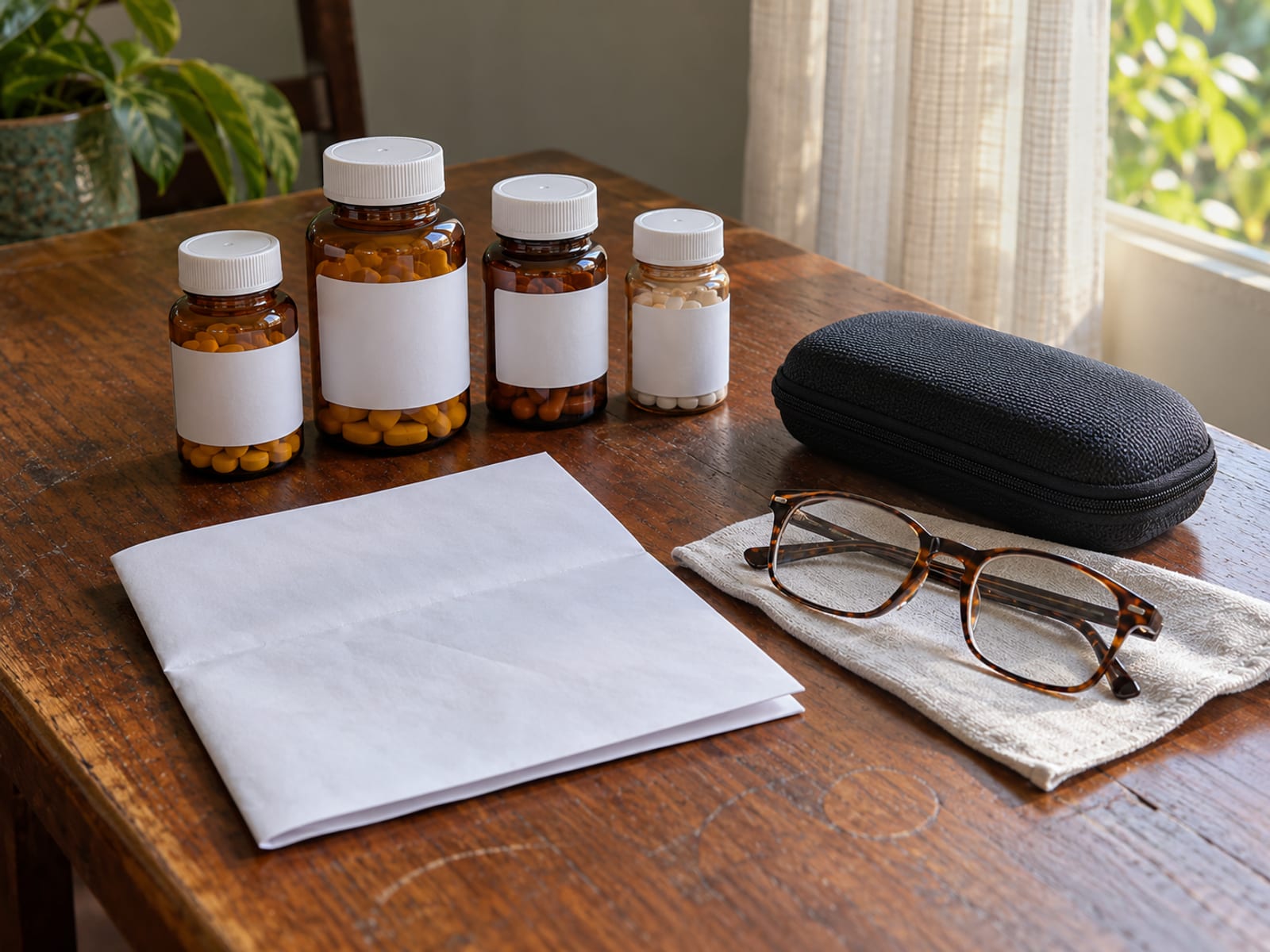
Medication comes first. Bring enough for the full stay and for possible delays, keep it in original labelled containers, and carry a copy of the prescription or a physician letter showing your name, the drug name, strength, quantity and treatment. The CDC advises confirming that your prescription drugs are legal in Jamaica and not relying on refills there, because names and formulations can differ.
Keep medication, essential work gear, and documents in your carry-on. The CDC also recommends a travel health kit with regular medicines, extra for delays, sunscreen, insect repellent, hygiene items, hand sanitizer and first-aid supplies. A compact travel first-aid kit covers the basics for blisters, cuts and irritation.
Put it all together and the month-long list is shorter than most people expect. Tick it off as you pack.
How Do You Plan for Heat, Rain, Mountains and Sun?
A month can include almost everything the weather offers. The Jamaica Tourist Board identifies rainy periods around May to June and September to November, while other official tourism information describes a wetter period from May to November and a drier one from December to April. The Atlantic hurricane season runs from June 1 through November 30, with activity often strongest from August through October, according to Jamaica's disaster preparedness office. So, a month could bring strong sun, humidity, short heavy showers, wet roads and storm-related changes.
Pack breathable, quick-drying clothing, at least one light rain layer, sun protection, and shoes that can handle wet ground. Add a protective bag for electronics; a waterproof phone pouch is a small item that protects a phone and cards at beaches and waterfalls.
Mountain trips need more coverage than a beach-only stay. Blue Mountain Peak reaches about 2,256 metres, and higher areas are cooler than the coast, so bring a light warm layer, long trousers and covered walking shoes if hills are on your list.
For mosquitoes, the CDC recommends repellent, long sleeves and long trousers, screened or air-conditioned sleeping areas and, where appropriate, treated clothing or bed nets. A good insect repellent belongs in the bag from day one.
Can you drink tap water in Jamaica? The CDC Yellow Book says tap water is safe for drinking and that hotels commonly have filtration systems, and the Jamaica Tourist Board says drinking water is purified and filtered. Conditions can vary by location and activity, so follow your accommodation's advice and use sealed bottled water or treatment when you are unsure.
How Do You Keep Work, Phones, Money and Power Running?
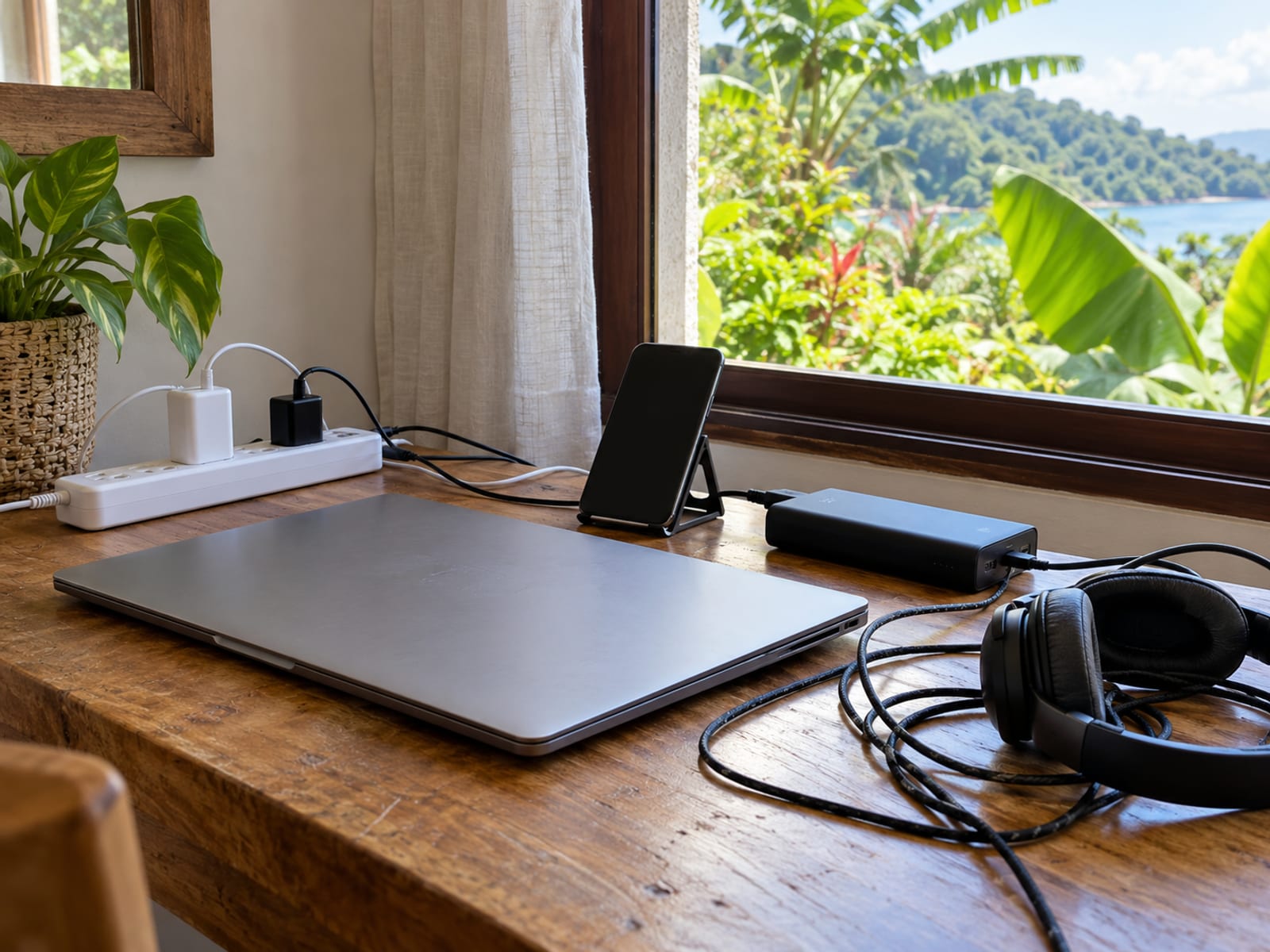
For a month, connectivity is part of the packing list. If you will work, bring a laptop, charger, a backup charging method, a headset, mouse, compact stand, cables and a reliable connection plan. Keep essential work items in carry-on luggage.
For your phone, compare three options: roaming with your home carrier, a Jamaican physical SIM, and an eSIM. Digicel publishes a 30-day tourist eSIM with data and minutes, and Flow also offers eSIM service for compatible phones that are not tied to one carrier. Check that your phone is compatible and free to use another carrier, what identification is required, and what coverage exists where you will stay.
On money, Jamaica's official currency is the Jamaican dollar. Major tourist businesses commonly accept major cards, and Jamaica Tourist Board information says many ATMs accept international cards with Visa, MasterCard, Cirrus and Plus logos. Acceptance and ATM availability vary, especially outside major resort areas, so carry a backup payment method and some local cash.
On power, Jamaica uses Type A and B style plugs and a 110 volt, 50 cycle supply. If your plugs differ, a plug adapter for Type A and B sockets helps, but devices that do not support 110 volts may need a voltage converter, so read the rating printed on each device. A power bank is one of the items travellers forget most, along with chargers, cables and adapters.
What Do Jamaica's Customs Rules Mean for Your Bags?
Adults aged 18 and older have a US$1,000 duty-free allowance for personal and household goods, including accompanied and unaccompanied luggage, when the goods are personal and not for sale. Jamaica Customs also lists allowances of 170 ml of perfume, 340 ml of eau de toilette, two litres of alcoholic beverages, and 200 cigarettes, 50 cigars or 230 grams of processed tobacco. Goods over the allowance or meant for commercial exchange can attract charges.
What can you not bring into Jamaica? Prohibited or restricted items include illicit drugs, firearms and ammunition, explosives, fireworks, certain weapons, camouflage clothing and material, and other controlled goods. The Ministry of National Security lists camouflage clothing and material among the banned or restricted goods. Declare agricultural products, plants, meat, animals, food, pharmaceuticals, chemicals and similar goods when the form asks. Drones may require aviation or other approvals, so confirm with the Jamaica Civil Aviation Authority before you pack one. If you are in doubt, declare the goods and carry supporting documents.
If you are visiting family and bringing gifts, keep them within the allowance, make sure none is for sale, and pack them where you can reach them if an officer asks.
How Do You Match Your Bags to the Flight and the Transfer?
Airline rules depend on route, fare, aircraft and loyalty status, so verify the allowance on your own booking. American Airlines publishes a carry-on limit of 22 x 14 x 9 inches including handles and wheels, plus a personal item of 18 x 14 x 8 inches, and a 50 pound, 62 linear inch standard for many checked bags. JetBlue lists a 22 x 14 x 9 inch carry-on, a 17 x 13 x 8 inch personal item and the same 50 pound, 62 inch checked-bag limit, and its bag calculator works out the allowance for a specific booking. A long stay often means a larger checked suitcase, and a home luggage scale lets you check the weight before you leave the house.
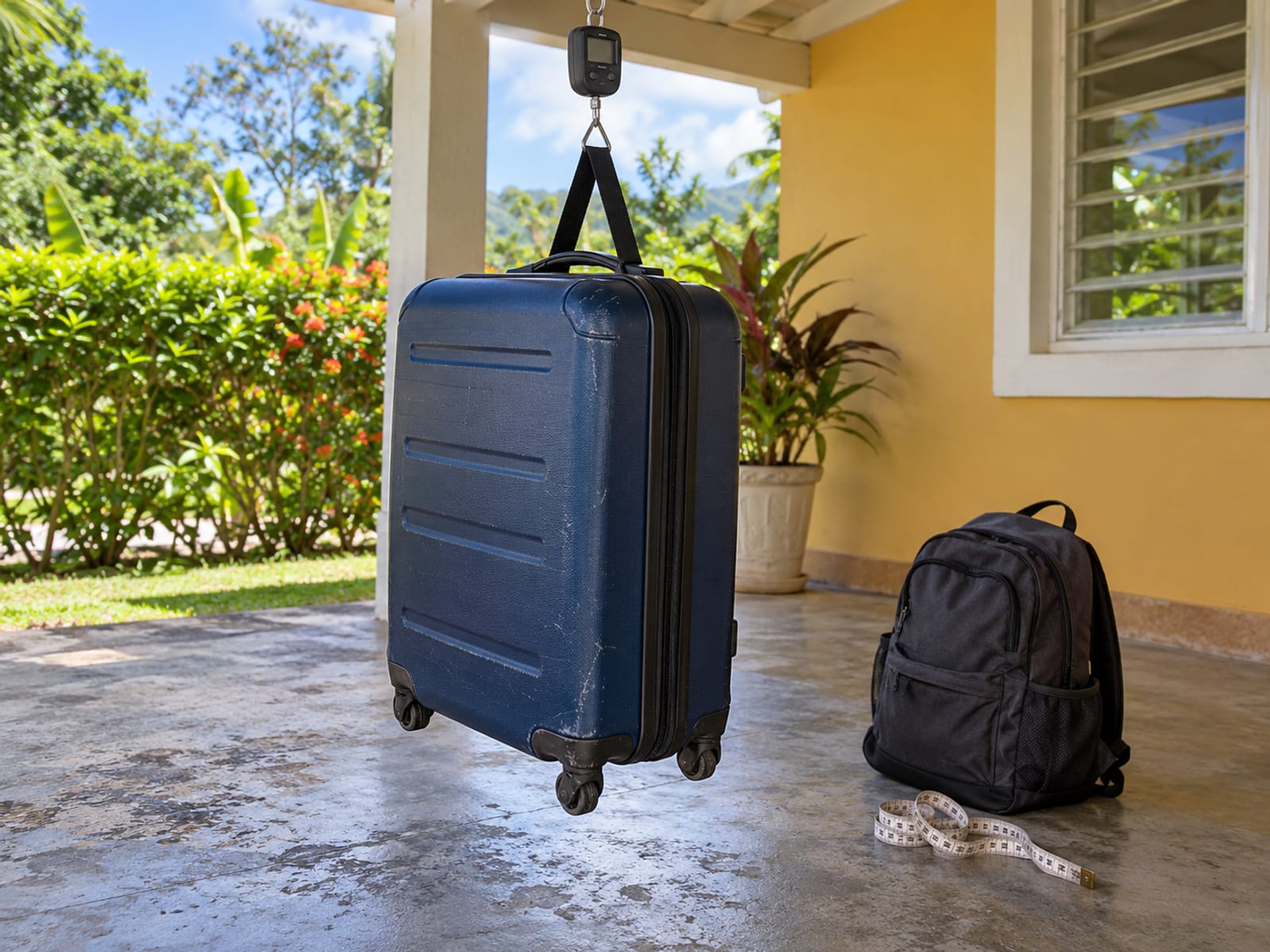
Then comes the vehicle. Seats and suitcases are different counts. Operators publish their own figures: one lists a car for three passengers with two suitcases and two roller bags; another lists up to four standard bags for an SUV, ten bags for a shuttle and twenty or more pieces for an executive coach; another says a 12-seater with more than eight passengers plus luggage, a 15-seater with more than ten, or a 25-seater with more than eighteen needs another vehicle for luggage. These are each operator's own figures, not a Jamaican standard.
So, count first. Write down passengers, suitcases, carry-ons, and anything bulky such as work equipment or gifts, and share both numbers when you arrange a ride. Our airport shuttle luggage guide shows how to do it, and D-JARPS Transport Solutions can arrange an airport shuttle around your party and your bags. If you are thinking of renting a vehicle for the month, long-term car rental in Jamaica explains what changes when a stay runs past a few weeks.
What Can You Buy After You Arrive?
Ordinary toiletries, snacks, basic clothing, bottled water and common personal-care items can generally be bought in Jamaica, especially in Kingston, Montego Bay and resort areas. Range, price and availability vary by parish and by whether you shop at a resort, supermarket, pharmacy or local store, so buying locally can lighten the bag.
Bring the things that are harder to replace: a specific prescription, a particular medical formulation, specialized work equipment, preferred clothing sizes, specialty dietary products, familiar infant products, prescription eyewear and certain electronics or accessories. CDC notes that medicines may have different names, formulations or ingredients in other countries. A Jamaica expat account reported that glasses and some hormone medication were expensive or hard to get locally, and travellers say sunscreen can cost much more at some resort shops.
Last, keep an eye on weight on the way home. A suitcase that left with room to spare can come back full, and the airline's limit applies in both directions.
Frequently Asked Questions
What can you not bring into Jamaica?
Prohibited or restricted items include illicit drugs, firearms and ammunition, explosives, fireworks, certain weapons and camouflage clothing and material. Some medicines and drones may need approval or permits, and food, plants and animal products often need to be declared.
What is the 5-4-3-2-1 rule for packing?
It is a short-trip formula: five pairs of socks and underwear, four tops, three bottoms, two pairs of shoes and one dressier outfit, hat or swimsuit. For a month, adjust it for laundry access and your plans.
What is the most forgotten item when packing for vacation?
Chargers, charging cables, plug adapters, medications and power banks are frequently left behind, often because they are still plugged in at home.
What are the 5 biggest packing mistakes to avoid?
Packing for every imagined occasion, taking too many shoes, ignoring laundry access, overlooking rain, and putting medication, documents or essential electronics in checked luggage.
Is it better to roll or fold clothes in a suitcase?
Either works. Roll small, soft items to save space and fold structured or creasing garments.
Can you drink tap water in Jamaica?
The CDC Yellow Book says tap water is safe for drinking, and the Jamaica Tourist Board says drinking water is purified and filtered. Follow your accommodation's advice, and use sealed bottled water or treatment if you are unsure.
Final Thoughts
A month in Jamaica is easier to pack for than it looks. Plan around laundry, choose clothes that mix and match, protect medication and documents in your carry-on, bring the power and connectivity items you rely on, and leave room for gifts and purchases.
Packing once and packing light pays off every time you move bags: at the airport, in the car and between places to stay. A shorter list means a lighter load and fewer decisions on the road.
D-JARPS Transport Solutions runs its own vehicles in Jamaica, and we arrange trips by phone, 6 AM to 10 PM daily, or through the trip request form. Tell us how many people and bags are coming, and we will go over the details, give you the price and confirm the trip before the day. Start on our contact page.