Travel guide
Portmore to Kingston School Transport: What Parents Plan For
This guide may contain affiliate links. If you buy or book through one, we may earn a commission at no extra cost to you. Read our affiliate disclosure.

If your family lives in Portmore and your child's school is in Kingston, the crossing is no longer a one-off problem to solve; it is part of every school day. There is an early pickup to think about, the causeway, the toll road or Mandela Highway, and a long morning that starts well before the school bell. Many parents begin by asking whether a bus will simply work, and find that the answer depends on the school, the pickup area and the time of day. Portmore to Kingston school transport is really a scheduling question as much as a distance question. The parents who feel settled are the ones who decided a few things early: where the child gets in, where the child gets out, what time they must arrive, and who is waiting at home. Once those are on paper, comparing the options is far more straightforward.
How Do You Build a Morning Plan That Holds Up?
A workable plan begins with the questions only you can answer. Where exactly in Portmore will your child be collected, and does the vehicle come to the gate or to a nearby meeting point? Where will your child be dropped at the school? What time does the school expect students to be inside, and how much extra time do you want for traffic? Does the afternoon run match dismissal, or do activities, half days and exam days change it? And who is allowed to receive your child at home?
Schools set their own bell times, half-day times and examination-day release times, so the person who can give you the real numbers is the school. The Ministry of Education's calendar sets the terms and holidays, but it does not set one opening and dismissal hour for every Jamaican school. Ask the school for the bell schedule, the half-day calendar and the exam timetable, and keep them where you can see them.
Then test the route. Travel the same road during the same weekday period you plan to use, ideally once in each direction. Allow a contingency for weather, incidents and loading delays. A route that feels easy at midday can feel very different at 6:30 on a school morning, so a trial run at the real time is worth the trouble.
Which Road Gets Your Child There, and What Does Each One Cost?
Families from Portmore generally choose between three roads, and the best choice depends on the school's location and the hour of travel.
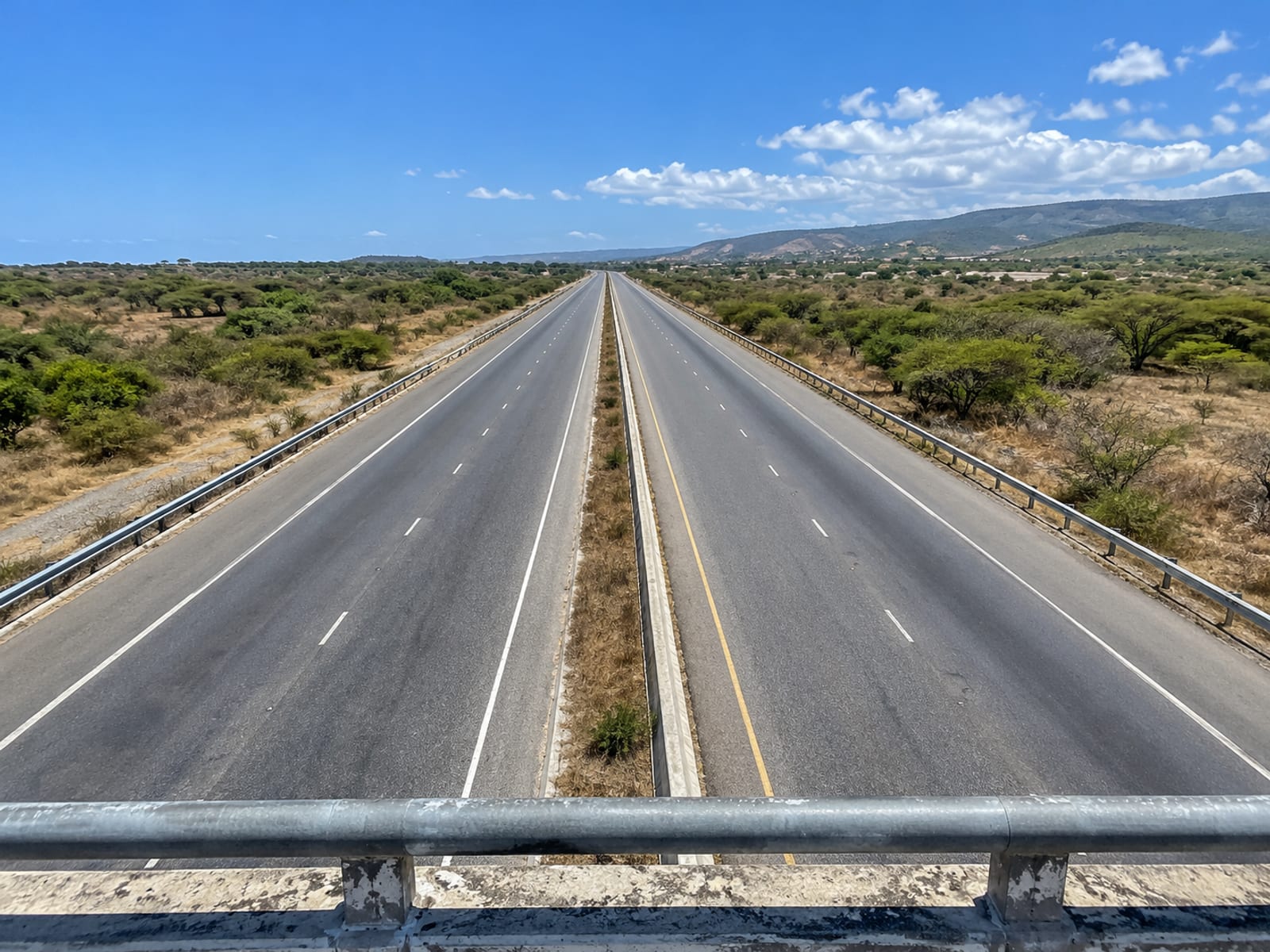
The Portmore Causeway connects Portmore and Kingston, and the toll operator describes the T2 section as 6.5 kilometres between the two. Highway 2000 is the toll road, which a private school run can use to avoid some surface-road congestion. Mandela Highway is the non-toll approach and an important corridor into the Kingston region; the JUTC has described peak-hour traffic management and a designated bus-lane trial there. Whichever road is used, the last stretch depends on where the school is, whether in downtown Kingston, New Kingston, Liguanea, Constant Spring or elsewhere.
For crossing costs, the Toll Authority's East-West toll rates are the place to look. The page lists the structure effective August 3, 2026. For Class 1 vehicles, the toll at Portmore is J$400, with a T-Tag rate of J$370, and the operator's FAQ page explains the vehicle classes and T-Tag discounts. A toll amount is not the complete price of a private school run, because the total also depends on the pickup location, the school, days per week, number of children, vehicle, waiting and the operator's terms.
Parent accounts of how long the crossing takes vary widely, from quiet-hour trips of about 15 minutes to school-period trips of about 45 minutes and longer delays at peak times. Those are individual experiences, not official travel times, so use them only as a reason to leave a buffer.
How Do You Compare JUTC, Route Taxis and a Private Run?
There is no single Kingston school bus. Instead, there are several arrangements, and the right one depends on your child's age, the school's location and how much supervision your child needs.
Is there a school bus service in Kingston? Yes, in several forms. The JUTC operates public bus services in the Kingston Metropolitan Transport Region, Portmore included, and has described a school transport programme for Portmore students as a joint venture involving the Transport Authority and a school bus association. The national rural school bus programme is a separate initiative aimed at rural areas, so do not treat it as a Portmore service without checking.
What are the public transportation options? They include JUTC buses, licensed route taxis, licensed hackney carriages, private minibuses and other licensed public passenger vehicles. The JUTC publishes routes and fares at its website, and a child travelling from Portmore may need a direct service or a transfer at a transport hub. A direct bus can still leave a walk or a second connection between the hub and the school.
Is the school bus free? Do not assume so. The JUTC's own rural school bus driver procedures describe collecting fares, so eligibility, route and the current fare need confirming for the particular service.
How much does a taxi cost in Kingston? The answer depends on whether the vehicle is a route taxi or a chartered one, the distance, the time, and whether the price is per passenger or for the whole vehicle. Route taxi fares follow Transport Authority rules, while charter prices are normally agreed with the operator before the trip. One online Kingston taxi calculator published a January 2025 example of a J$175 base fare plus J$500 per kilometre. That is that calculator's estimate, not an official tariff, and it should not be read as a school-run price.
What Should a Private School Run Include?
A private arrangement gives you the most control, and it deserves the most detail in writing. If you are weighing it against other options, our guide to how private school transportation works in Kingston is a useful companion to this one. Before the first day, agree on each item below with whoever will drive.
Another family arrangement sometimes helps with cost and timing. If neighbours' children share the same direction, a shared school pickup route can spread the cost across households, though each child's handover still needs its own written plan.
What Drives the Price of a Portmore to Kingston Run?
No single national price exists for a private school run, and anyone quoting you a figure should be able to say what it includes. Several factors move the price: the pickup area, the school's location, whether the driver takes the toll road or Mandela Highway, how many days you need each week, how many children ride, how long the driver waits, the vehicle used, and whether the vehicle is booked as a dedicated run.

When you ask for a quote, ask these questions directly. Is the price per child, per trip, per month or for the whole vehicle? Are tolls included, and which vehicle class is being used? What happens if the driver chooses Mandela Highway instead of the toll road? Does the pickup window include waiting at the gate? Are extra trips for exams, clubs or half days charged separately? Are public holidays and school holidays billed? What happens on days when your child is absent?
Because charter prices are generally agreed before the trip, the cleanest approach is to get one written quote that lists what is inside it and what is added on top. D-JARPS Transport Solutions works this way for school transportation: you send us the details, we give you the price and confirm the trip before the day.
How Do You Handle School Hours, Half Days and Exam Days?
School hours vary by school, level and schedule, so build the plan around your child's actual timetable. A normal day might be one pattern; a half day, a sports day or an early closure is another. Examination periods bring their own timing: the Ministry's bulletin for the 2025 to 2026 school year, for example, lists dates such as the PEP Grade 6 sittings on April 29 and 30, 2026, and the Jamaica School Certificate Examination from July 7 to 10, 2026.
Use those dates as a prompt to ask your provider in advance. Does the service run on exam days? Is the afternoon pickup tied to the school's dismissal time, or to a fixed clock time? What happens when school closes early? Who is responsible for your child between dismissal and the moment the vehicle arrives? Having an answer written down means you are not negotiating at the school gate on the day.
What Safety, Licensing and Child Restraint Details Should You Confirm?
Any provider carrying children for payment should be able to show you the facts. The Transport Authority says public passenger vehicles need the relevant road licence. Route taxis must display red PPV plates, identify themselves as route taxis, carry the Authority's driver identification card, and have the driver wear the Authority identification badge. The driver should also hold a PPV driver's licence, and the badge is valid for two years once the requirements are met.
On restraints, the Road Traffic Act 2018 requires prescribed seat belts and requires people in covered vehicles to wear them, with listed exceptions. The related regulations cover seat belts, restraint systems and booster cushions, and state that a child restraint system must not be fitted in a front seat where the vehicle has an airbag. The Government has also published guidance on child restraint requirements by age, and the current Act and regulations decide the final legal position. Check what applies to your child's age and size, and ask how many seatbelts are usable.
How Do You Plan for Traffic, Absences and the Return Trip?
Even a good plan meets bad days. Agree in advance how traffic delays are communicated, what the backup is after a breakdown, an accident or a vehicle substitution, and how much notice either side gives before changing the arrangement. Ask whether bags, sports equipment or musical instruments have a limit, and whether the arrangement can change if your child joins an after-school activity.
The return trip deserves the same care as the morning. Settle who collects your child from the handover point, what the driver does if no adult is home, and how you will know your child has arrived. Public transport has its own pattern: parents describe crowded buses, long waits and having to reach a stop around 5:30 or 6:00 a.m., and while those reports are individual accounts, they explain why many families want a defined pickup. Finally, test the route again during the real dismissal period before you commit for a term.
Frequently Asked Questions
Is there a school bus service in Kingston?
Yes, but not a single one. The JUTC runs public buses in the Kingston region, including Portmore, and has described a school transport programme for Portmore students. Availability depends on the route, school, pickup area and current schedule.
What are the public transportation options in Kingston?
JUTC buses, licensed route taxis, licensed hackney carriages, private minibuses and other licensed public passenger vehicles. A student from Portmore may need a direct service or a transfer at a transport hub.
Is the school bus free in Jamaica?
Do not assume so. The JUTC's rural school bus driver procedures describe collecting fares, so confirm eligibility, route and current fare for the particular service.
How much does a taxi cost in Kingston?
It depends on the route taxi or charter, the distance, the time and whether the price is per passenger or per vehicle. Charter prices are normally agreed with the operator before the trip.
What should I give a provider when I ask for a Portmore to Kingston school quote?
Share your pickup area, the school's location, the morning and afternoon times, the days of the week, how many children are riding and who collects at home. Then ask for the price in writing, including tolls and waiting.
Moving Forward
A Portmore to Kingston school run becomes manageable once you write down a short list: the pickup point, the drop-off point, both times, who may collect your child, what the price covers and your backup plan. Add the school's real bell times, a tested route and a clear answer on licensing and restraints, and you will be able to judge any option on equal terms.
That list also saves effort across the term. Fewer surprises on exam days and half days, and a written answer about absences and holidays, mean the arrangement keeps working after the first week.
At D-JARPS Transport Solutions, we run our own vehicles and arrange school transportation around the details you send us, anywhere in Jamaica as each trip needs it. We go over the pickup, the school and the times with you, give the price and confirm the trip before the day. You can arrange it by phone, 6 AM to 10 PM daily, or send a trip request through our contact page.