Travel guide
Champs and School Sports Days: Getting Supporters There and Back
This guide may contain affiliate links. If you buy or book through one, we may earn a commission at no extra cost to you. Read our affiliate disclosure.
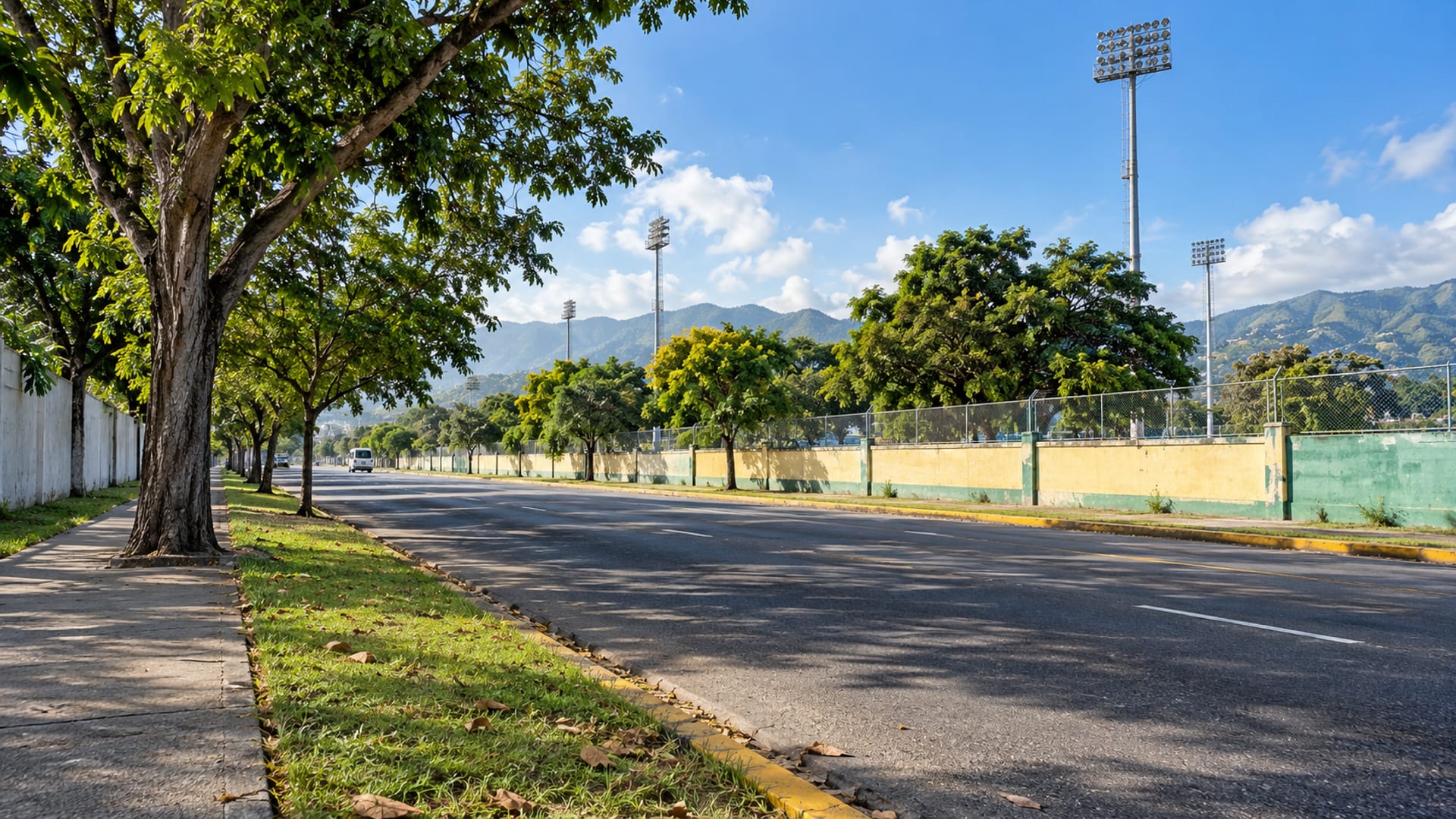
Champs transportation to the National Stadium looks simple on the way in. The group is excited, the bus is on time, and everyone is dropped close to the gate. The hard part is the evening, when thousands of supporters leave together, roads are held for traffic control, and your bus driver cannot reach the spot where you told everyone to wait. If you are the parent, past student or supporters' group organiser who has to get a full group there and home again, the plan you make before the day matters more than the vehicle you choose. A fixed pickup point, a fixed time and one phone number everyone has will do more for you than a bigger bus. This post walks through the plan in the order you will need it, so you can settle the details with a transport provider before anyone pays.
Why Does Champs Transport Need a Return Plan From the Start?
Most groups plan the outbound trip carefully and leave the ride home to "we will sort it out after." That works on an ordinary day. It rarely works at the end of a big session at the National Stadium, when everyone wants to leave at once.
People who go to Champs describe the same pattern. One supporter on a public Jamaica forum said that getting a taxi back could be hard once the stadium emptied, and wondered about arranging a pickup at a specific place and time or walking back instead. Another commenter on the same thread suggested using the Asafa Powell statue as a meeting point away from the stadium entrance. Those are individual experiences, not traffic measurements, but they point to the same planning rule: the return trip needs a place and a time that do not depend on the driver reaching the main gate.
So, start your plan from the ride home. Decide where the group will assemble after the event, who counts heads, and what happens if someone is not there at the agreed time. Once you can describe that part in two sentences, the outbound trip is the easy half. If you want to compare how other groups plan travel to away games and match days, sports team travel in Jamaica covers the same ground for teams.
What Does Event Day Look Like Around the National Stadium?
ISSA Boys and Girls Champs is a five-day high school athletics championship held at the National Stadium in Kingston. It ran March 19 to March 23 in 2024 and March 25 to March 29 in 2025, according to the Athletics Jamaica meet programme. The Jamaica Observer reported the 2026 dates as March 24 to March 28, with more than 2,000 athletes expected from 107 boys' teams and 100 girls' teams, across 88 events. Other school sports days also use the stadium, from preparatory-school championships to the Jamaica Teachers' Association athletics championships, so the same planning applies to them.
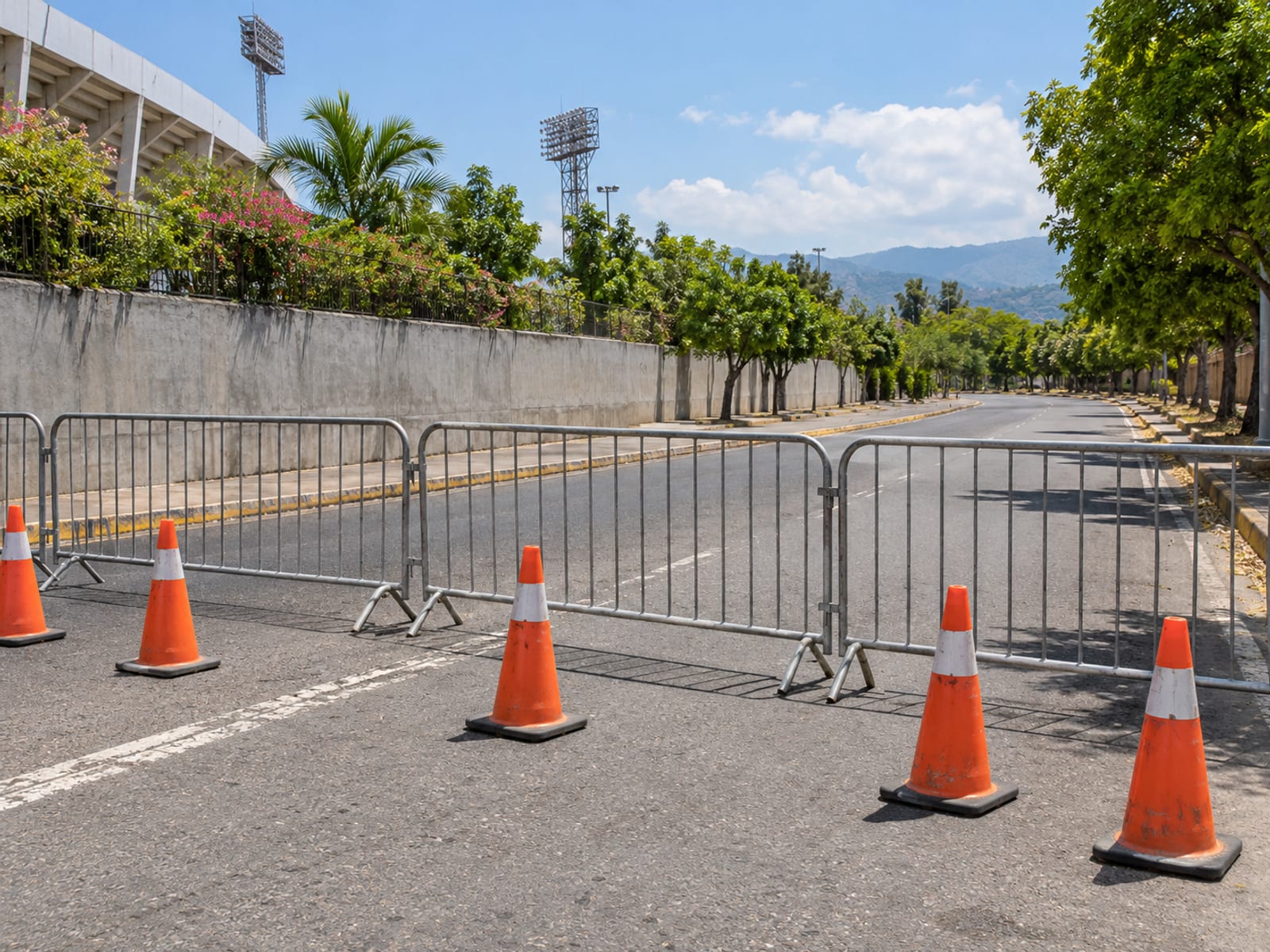
The Jamaica Constabulary Force published a public advisory for the 2024 Champs, carried by the Jamaica Information Service. It is a useful example of how much can change around the venue on the busiest days. Use it as a dated example of what to ask about, and treat the current year's notice as the one that counts.
These are the 2024 arrangements. Gates, roads and times are set for each event, so check the current Jamaica Constabulary Force, ISSA and venue notices for the year you are going before you give your driver a drop-off point.
How Do You Choose a Vehicle for People, Seats and Luggage?
Start with the number of people, then work out what else is coming on the bus. Banners, drums, coolers, bags and school equipment all take room, and usable seats can be fewer than the number in the advertisement.
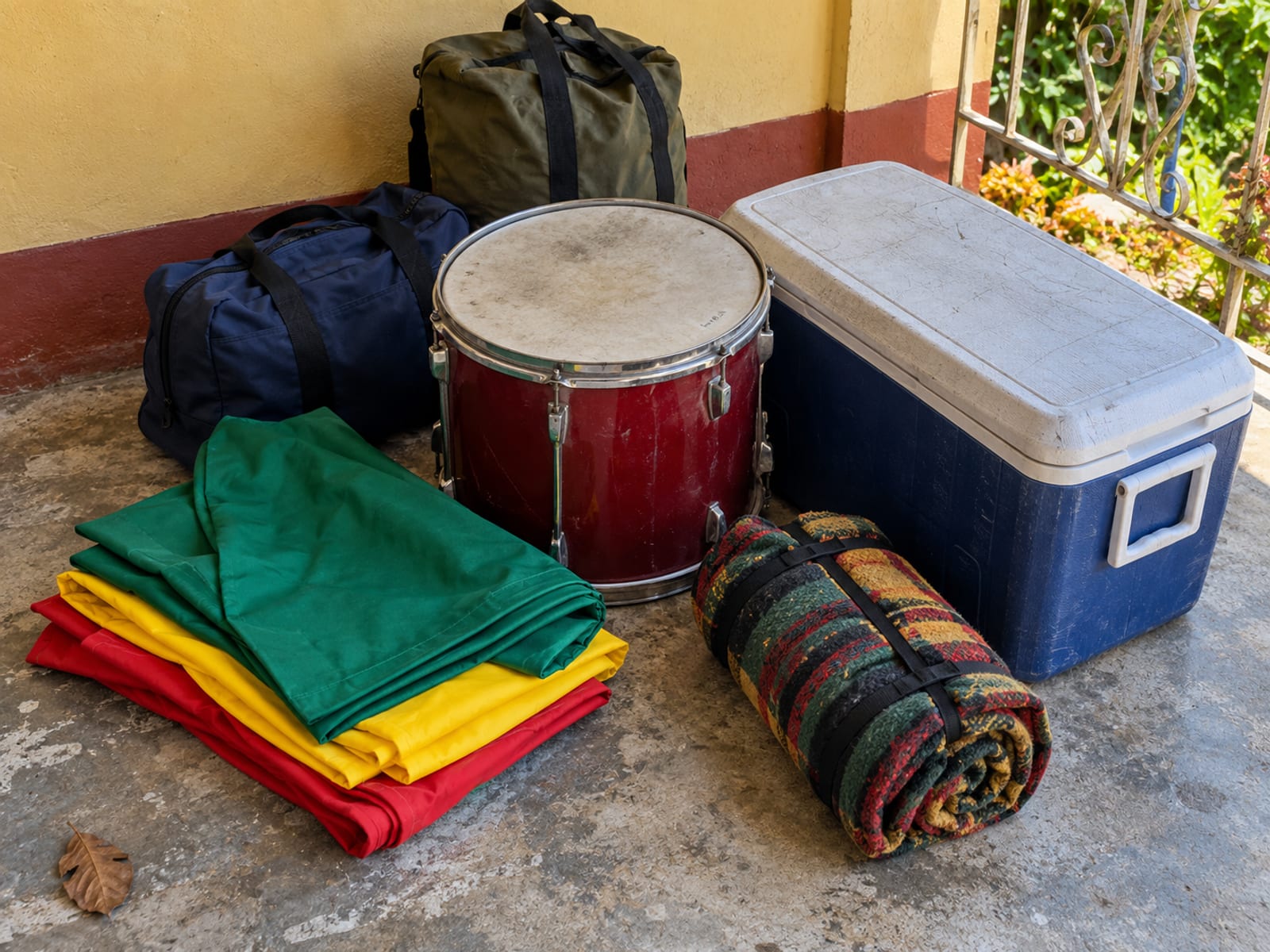
Seat counts are where groups get caught. "Minibus" is not one fixed size. One Jamaican operator, OsaBus, advertises a 19-passenger minibus and a 50-passenger bus. Another, Karandas Tours, lists a 12-seater van that carries up to 10 passengers, a 15-seater carrying up to 14, and a 25-seater carrying 25 to 27 passengers on tours, and says usable capacity can be lower when luggage is carried. Those are each operator's own published figures, and a different company may count seats differently. The way to avoid a mismatch is to ask three plain questions: what is the exact vehicle, how many passengers can it carry, and is the driver included in that number.
If your group is close to a size boundary, go up a size rather than squeezing in. What size bus your group needs sets out the usual seat counts from a Hiace to a Coaster so you can match the vehicle to the headcount. When you arrange a private charter with us, you tell us the date, the headcount and the pickup points, and we go over the vehicle with you and confirm the trip before the day.
How Do You Build a Pickup and Drop-Off Plan That Survives Traffic Controls?
A good plan assumes some roads will not be available at the time you expect. Build it in layers, from the meeting point at home to the last 500 metres near the stadium.
Begin with where the group meets and when. Use one pickup point, or a small number if the group lives in different areas, and set a meeting time before the vehicle arrives so people are standing ready. Give the driver the event date, the expected arrival time, the group size, the organiser's number and the gate or ticket details you have. Then ask the questions that depend on the day:
- Drop-off: Where can the vehicle safely stop without entering a restricted or pedestrian-only area?
- Waiting: Does the driver wait during the event, or return at a set time?
- Access: Will police allow a large bus to use the same road on the final two days?
- Backup: What is the second meeting point if police controls block the first?
Allow extra time for city traffic, security checks, road closures and the walk from the legal drop-off point to your gate. For a big session, that walk can be a real part of the schedule, so tell older relatives and children what to expect.
What Should the Quote Include Before Anyone Pays?
Ask for the price and the terms in writing, and use the same list when you compare two providers. A low number with no waiting terms can cost more on the day than a higher number that spells everything out.

What changes the price is fairly consistent: the size of the vehicle, the length of the trip, the number of pickup locations, waiting time, event-day traffic, tolls, fuel and the cancellation terms. Some of these are easy to forget until the bus is waiting, such as what extra waiting costs and who pays if police redirect traffic. A written confirmation should use the actual event date and be updated if the schedule or the police traffic plan changes.
Cost questions come up a lot, including "How much is a 40 seater bus?" Jamaican operators do not generally publish a 40-seat rate, and a figure from one company is not a rate for your event. As one dated example, Karandas Tours lists US$250 per day for a 25-seater Coaster bus on its own website, with a minimum four-day package, as of this post in August 2026. That is that operator's figure for its own terms. It is not a 40-seat price and it is not a Champs quote. What changes the cost of a bus charter breaks the same drivers down if you want to see how each one moves a quote.
Tipping often comes up after the price. One travel guide, Travel 80, suggests 10% to 15% of the fare for a private driver and US$1 to US$5 per passenger for a short airport shuttle, and treats tipping as discretionary. Check first whether a service charge is already included, and agree the fare before the trip so there is nothing to settle at the end of a long day.
How Do Travel Times Change on a Major Sports Day?
City traffic on a Champs day is not the same as an ordinary afternoon, and a published travel time is only a starting point. The Jamaica Tourist Board gives intercity figures such as Kingston to Mandeville at 98 km and about 1.5 hours, or Ocho Rios to Kingston at 97 km and under 1.5 hours, and notes that rural roads can be winding, uneven and narrow, while city roads are busier. Those are route estimates for a normal day. They are not arrival times at the National Stadium.
What moves your actual time is the pickup address, the number of stops, how long it takes people to board, the weather, roadworks and police controls near the venue. A group collecting passengers from three neighbourhoods will take longer than one meeting at a single spot, even if the distance is the same.
The practical answer is to ask your provider for a realistic pickup and arrival window from your exact address, then add time for traffic controls. If the group is coming from outside Kingston, build in a larger margin on the final days, and plan to be near the stadium well before your first event rather than just before it.
How Does the Return Trip Work With Crowds, Landmarks and Backup Plans?
Think of the ride home as a small event of its own. On the final day, many supporters leave together, traffic controls may still be in force, and the vehicle may have to meet passengers away from the stadium entrance. A pickup at a named landmark, outside the busiest pedestrian area, is often more practical than asking the driver to reach the main gate.
Set the landmark and the time with your driver before the day, then confirm it again by text on the morning of the event. If the event runs later than expected, agree in advance who contacts the driver and how long the vehicle will wait. Keep a small contingency for extra waiting or a short second transfer, because a late finish is common after evening sessions.
Public transport is another option people use. The JUTC has run special Champs services in past years, including a shuttle for patrons in 2016, and some supporters walk, share route taxis or travel in private cars. Your own group's ride should not depend on any of these. Treat them as extra options, not as the plan.
How Do You Prevent the Problems That Turn a Sports Day Into a Transport Problem?
The problems that groups report are usually small ones that were not planned for. A vehicle cannot reach the stadium after roads close. A passenger expects pickup at the gate while the driver is sent elsewhere. The event ends later than expected. The group scatters and nobody can count heads quickly. A quote did not state waiting time or extra charges.
A few habits cover most of these:
- Name an organiser and a deputy, so the plan does not depend on one phone.
- Keep one passenger list and do a roll call before leaving each time.
- Confirm the pickup point on the morning of the event, by text, and keep that message.
- Set a latest departure time and a second meeting point.
- Follow police directions rather than insisting on the original route.
- Charge phones before the day. A fully charged phone matters when the whole plan runs on calls and texts, and a portable power bank in the organiser's bag is a simple backup.
- Use secured parking where parking is unavoidable. Independence Park Limited advised patrons to use the main stadium car park because it has lighting and security, and parking outside secured areas has been a worry for some visitors.
Also check that the provider holds the right Transport Authority licence for paid group transport. The Transport Authority licenses public passenger vehicles and commercial carriers, including contract carriage, which covers a vehicle hired for an agreed sum rather than offered to the general public. The Jamaica Information Service explains that a public passenger vehicle licence shows up as a red plate and a special windscreen sticker.
Frequently Asked Questions
What is the best bus company in Jamaica to hire for a private hire day trip?
There is no official ranking. Choose a provider by what it can confirm in writing: the exact vehicle and seat count, the driver arrangements, the route and pickup plan, waiting and cancellation terms, and the price. Ask whether the operator holds the right Transport Authority licence for paid passenger transport.
How many seats are in a minibus?
It depends on the vehicle. Published examples from Jamaican operators include a 19-passenger minibus, a 12-seater carrying 10 passengers, a 15-seater carrying 14, and a 25-seater carrying 25 to 27 on tours. Confirm the passenger seat count for the exact vehicle, whether the driver is included, and whether luggage reduces the room.
How much is a 40 seater bus?
A 40-seat rate depends on the trip, so ask your provider for a written quote. The price changes with trip length, pickups, waiting time, event-day traffic, tolls, fuel and cancellation terms. One operator's published figure for a 25-seater is not a 40-seat price.
How much should I tip a driver in Jamaica?
Tipping is discretionary. One travel guide suggests 10% to 15% of the fare for a private driver. Check whether a service charge is already included, and agree the fare and inclusions before you travel.
Can the bus wait for us during the event?
That is something to agree before booking. Ask whether the driver waits during the event or returns at a set time, what the included waiting time is, and what extra waiting costs.
What if police close the road to our pickup point?
Follow the police directions and move to the backup meeting point you agreed in advance. This is why the plan should name a second spot and a contact person for the driver.
The Bottom Line
A Champs trip goes well when the ride home is planned as carefully as the ride there. Pick a landmark and a time, confirm the exact vehicle and its usable seats, ask for the waiting terms and total price in writing, and keep one list and one phone number for the whole group. Check the current year's notices for gates and road changes, because last year's arrangements are only an example.
Settled early, these details take an hour and leave the day itself calm, even when the stadium empties all at once. You will also have a plan you can reuse for the next sports day, school trip or reunion.
At D-JARPS Transport Solutions, we run our own vehicles and arrange transport anywhere in Jamaica as each trip needs it, open since 2024. Send us the date, group size, pickup points and return plan, and we will go over the details, give you the price and confirm the trip before the day. You can arrange it by phone between 6 AM and 10 PM every day, or send a trip request through our contact page.