Travel guide
Company Retreat Transportation in Jamaica
This guide may contain affiliate links. If you buy or book through one, we may earn a commission at no extra cost to you. Read our affiliate disclosure.
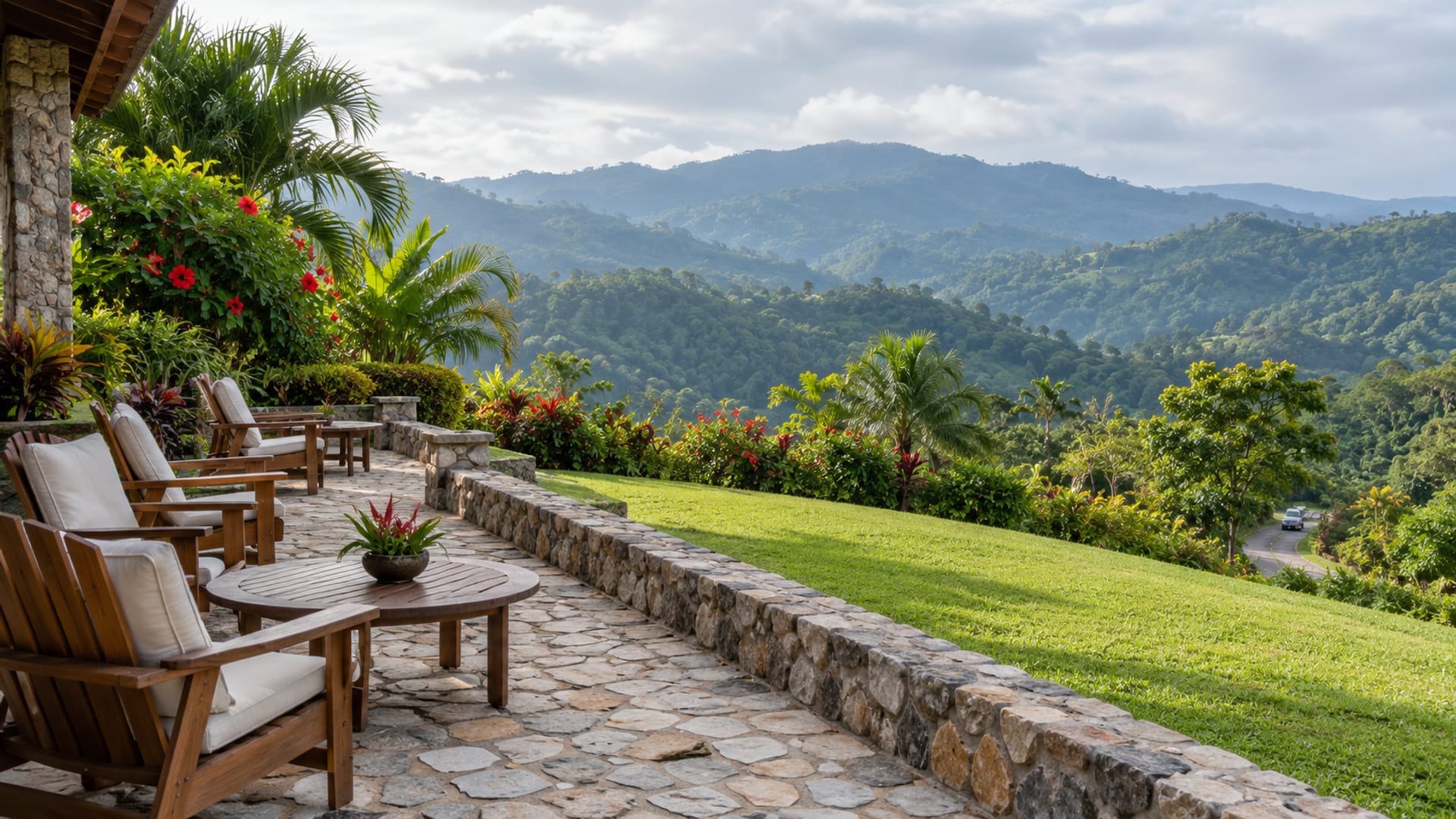
The venue is booked, the dates are on everyone's calendar, and now someone has to get forty colleagues from the office, or from the airport, to the retreat and back. If that someone is you, the question is rarely whether to hire transport. It is what to put in front of an operator so the quotes you get back are actually usable. Company retreat transportation in Jamaica goes wrong most often at the brief stage: one operator quotes a minibus for a day, another quotes a coach by the kilometre, and nothing lines up. A short written brief fixes that. It lists who is travelling, with what bags, from where, when, and with which stops in between. You can build one in an afternoon, and it lets you compare proposals side by side instead of guessing which one is cheaper. The sections below walk through what goes in it and how to read the answers.
Why Does Retreat Transportation Need Its Own Plan?
A daily staff shuttle runs the same route at the same time every morning. A retreat does not. People arrive from different offices, some through Norman Manley International Airport and some through Sangster International Airport, and everyone needs to reach the same venue at a sensible hour. Then there are the outings, the free afternoon someone adds, and the return trip, when half the team has a flight and the other half wants to stop for lunch.
That is why a retreat works better as a movement schedule than as a single transfer. The schedule covers where each group starts, who needs to be where and when, what is being carried, and who decides when plans shift. When those answers are written down, an operator can give you a price that means something. When they are not, you get a quote for a trip that does not match the one you are planning.
The practical next step is one transport brief. It holds the passenger count and luggage volume, pickup locations and arrival windows, airport, hotel, office or venue details, retreat dates and overnight needs, planned outings and waiting time, preferred vehicle type, and a named organiser with an emergency contact. It also holds invoice details and payment terms. If anyone in the group has accessibility or medical needs, raise those directly with the provider rather than assuming a vehicle can handle them.
Where Is the Retreat, and How Long Is the Drive?
Teams usually pick a base from a short list: Kingston, the Blue Mountains, Ocho Rios, Montego Bay, Negril, Port Antonio or the South Coast. Visit Jamaica describes Kingston as the capital and a business, music, food and museum destination, Montego Bay as a major resort area, Ocho Rios as an activity-focused resort town, Negril as a beach and nightlife destination, and Port Antonio and the South Coast as quieter, nature-led areas. The right pick depends on what the retreat is for, but it also decides how much road time you are paying for.
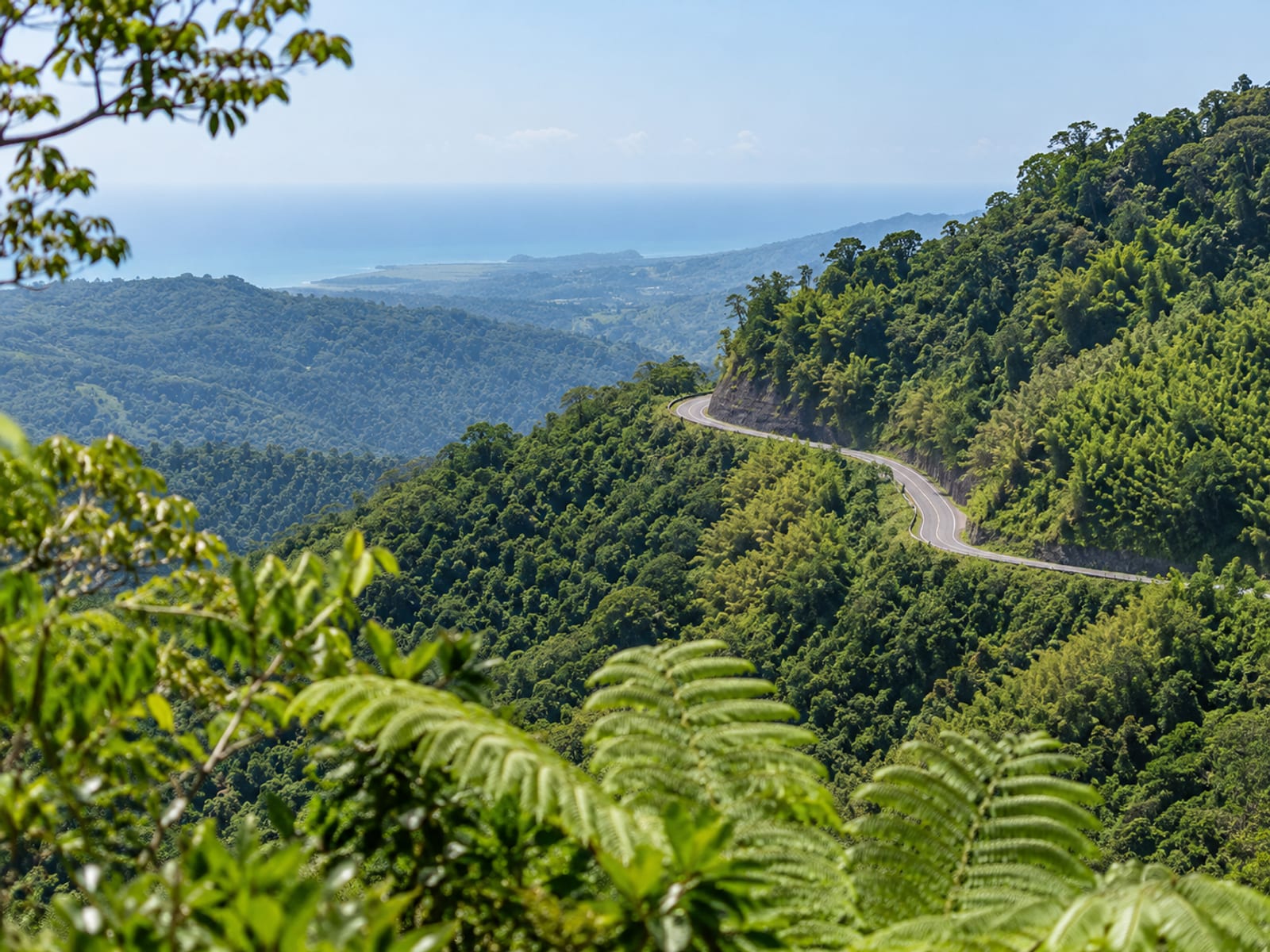
Published travel times give you a starting point. The Jamaica Tourist Board's travel guide puts Montego Bay to Negril at about 1.5 hours and Ocho Rios to Kingston at about 1.5 hours. Another published destination reference gives Montego Bay to Ocho Rios as roughly 1 hour 45 minutes. Highway 2000 is reported to have cut Kingston to Ocho Rios to under an hour from over two, though the tourist board figure is longer, so plan for the longer one if you have a fixed start time. Kingston to Montego Bay is commonly published at around four hours by road. All of these are examples, not promised arrival times. Your real time depends on the pickup point, traffic, stops, weather and the size of the vehicle.
If your team starts in the Kingston area, think about where people actually leave from. New Kingston is a main business district with offices and hotels, and morning and evening commuting peaks affect it. Downtown Kingston covers a broad area, so confirm the exact building or waterfront entrance. Portmore is a large residential and employment area south-west of Kingston, and the Portmore Causeway, Marcus Garvey Drive and Spanish Town Road can all change an arrival time. The Visit Jamaica airports page is useful for working out which airport is closer to your venue.
What Goes Into a Movement Schedule Before You Book?
Build the schedule in the order the day will happen. Start with the departure point: one office, several offices, employee pickup points, an airport or a hotel. A single pickup reduces how many vehicles you need, but it also means everyone has to report at the same time.

Next, count people and bags separately. Include employees, guests, facilitators, equipment, personal luggage, presentation materials and activity gear. A vehicle's advertised seat count may not match its useful capacity once luggage is loaded. Then set four times for the departure: when passengers check in, when the vehicle arrives, when you plan to leave, and the latest acceptable departure. Decide how late arrivals will be reached.
List every stop on the way. For each one, say whether it is for food, restrooms, fuel or sightseeing, and whether the driver waits or comes back later. At the venue, confirm the exact entrance, unloading zone, check-in point and parking, and whether the venue can receive a large vehicle at the time you plan to arrive.
Outings deserve their own look. Group attractions by direction and area, because a day with several distant stops can mean more road time than retreat time. Check opening times, bus access, parking and where the vehicle waits. For the return, set the departure time, how you will count people, any airport check-in buffer, and what happens for employees leaving at different times.
Finally, name one organiser who can approve changes. The driver should hear about changes from that person, not from several passengers at once.
Before the trip, a few things are worth confirming directly. With the venue: the earliest arrival time for the bus, the exact entrance and unloading area, parking and its fees, overnight parking rules, turning space for large vehicles, gate or security procedures, whether drivers may use staff facilities, driver accommodation and meals on multi-day bookings, and a contact for late or after-hours arrivals. With the provider: the vehicle type and legal passenger capacity, the usable seating with luggage, the exact pickup and drop-off points, a driver name or dispatch contact, driver hours and overnight coverage, and how tolls, parking, fuel, tax and extra hours are treated.
Which Vehicle Fits Your Team and Their Luggage?
Match the vehicle to people and bags together. These bands are a practical starting point, not a rule.
"How many seats are in a minibus?" is a fair question, and the honest answer is that it varies. One Jamaican operator, Online Tours and Transfers, lists a minibus for 5 to 16 people on its round-town driver-and-vehicle service, and a mini-bus option for 4 to 10 people with luggage for airport transfers. Another, Jamaican Treasures, describes a 25-seater bus that seats 18 comfortably with luggage. Jamaica's Public Passenger Vehicle guidance says a stage carriage must have seating for no fewer than 11 passengers, but that is a licensing category, not a definition of every privately hired minibus. For more on matching seats to a group, the key habit is to ask for the exact model, the legal passenger capacity, the usable seat count with luggage, and whether the quoted capacity includes the driver.
Also ask about air conditioning, boarding height, storage, the age or condition of the vehicle where it matters to you, and whether a replacement vehicle is available.
What Drives the Transport Cost?
There is no single Jamaica-wide price for retreat transport. The quote moves with the route, distance, tolls, date and season, trip length, waiting time, number of stops, overnight accommodation, luggage, vehicle class, driver hours, parking, and whether the booking is one-way, return or multi-day.

So that you can see what a published figure looks like, here is one example, labelled as that operator's own. Online Tours and Transfers lists a super coach with a 45 to 50 seat capacity at US$400 flat for a Kingston-area airport transfer. That is one operator's rate for one kind of transfer; it is not a price schedule, and it does not cover a retreat with outings and a return.
A usable quote states the currency, tax treatment, tolls, fuel, parking, driver waiting time, accommodation and any extra-hour rate. If a quote leaves those out, ask for them before you compare totals. The 2012 report is a good reminder of why: the same seat count has been priced very differently by route and operator.
How Do You Compare and Contract a Provider?
Take your brief to at least two providers and ask each for a written proposal built on the same itinerary. For each one, ask for vehicle capacity, luggage capacity, driver coverage, licensing, insurance, cancellation terms and what happens if the assigned vehicle fails.
There is no official national ranking that makes one company the best for a private hire day trip. The right choice depends on route, passenger count, luggage, stops, the vehicle, licensing, insurance, driver arrangements and whether the company has a backup. Operators describe themselves differently. Online Tours and Transfers publishes airport transfers, minibus hire, coach hire and driver-and-vehicle services. Global Bus Rental says it arranges minibuses and coaches through local operators. Jamaica Bus Rental advertises corporate and government transport and airport group transfers. D-JARPS Transport Solutions runs its own vehicles and arranges transport anywhere in Jamaica as each trip needs it. Those are descriptions, not rankings, so compare the proposals, not the adverts.
Most employers arrange this through a direct contract or a one-off charter brief. A workable arrangement names the employer as the contracting party, one transport coordinator, the routes and pickup points, the reporting and departure windows, a passenger list, one invoice or purchase order, and a way to approve changes. A corporate transport agreement goes further when you need a longer commitment. The written agreement for a retreat should cover dates and hours, routes, planned stops and waiting, passenger and luggage assumptions, vehicle type and legal capacity, driver and dispatch contacts, driver hours and rest, price and what it includes, deposit and cancellation terms, breakdown cover and the replacement standard, incident reporting, and a final sign-off after the trip. It should also say whether the provider is supplying the vehicle directly or arranging one through another operator, because that decides who handles dispatch, insurance papers and replacements.
You could use other ways to move people. A transport allowance lets employees arrange their own trips, which means less dispatch work but less control over arrival times and luggage. Route taxis suit short local legs but are not built as a private group charter. Company-owned vehicles give direct control but put maintenance, insurance, drivers and breakdowns on your side. For a retreat with airport arrivals and a fixed start time, one contracted plan is usually the easier one to manage.
What Should You Know About Licensing, Work Hours and Safety?
In Jamaica, vehicles carrying paying passengers are Public Passenger Vehicles and must be licensed. The Transport Authority lists the categories, including contract carriage, stage carriage, express carriage, hackney carriage and route taxi. A contract carriage is a vehicle hired under a contract at an agreed rate and not for general members of the public. A public passenger vehicle can be recognised by a red plate and a windscreen sticker, and drivers must display their badges while working.

The Transport Authority's 2025 requirement sheet for new contract carriage lists documents such as the registration certificate, certificate of fitness, insurance certificate or cover note, owner identification, TRN, police record, tax compliance certificate, proof of address and a contractual agreement. For your retreat, ask the provider to confirm the licence category for the vehicle, the current road licence, insurance, fitness documents and the driver's credentials.
On the employer side, the Ministry of Labour and Social Security says its Occupational Safety and Health Department promotes and enforces minimum standards under the Factories Act and related regulations. Its labour-law summary says a workplace can include a vehicle when a worker has to be there for work and is under the business's direct or indirect control. The Ministry's material also says full occupational safety and health legislation was still being advanced in 2026, so use the current applicable law, your own workplace policies and Ministry guidance for the activity.
If the retreat starts before dawn, ends late, or follows a night shift, connect it to your hours-of-work, overtime and rest policies. The Labour Relations Code names normal hours, overtime and shift work as matters for collective agreements. A legal review may be needed for a specific workforce.
What Happens When Plans Change?
Plans change, and a good brief anticipates it. Decide before you book who controls last-minute passenger changes, because the driver should take instructions from one person. Ask what happens if the group size changes after the quote, whether you pay for unused seats, and what the extra charge is for added stops or hours.
On the road, agree how employees are counted before each departure and what the plan is for someone who misses the bus. Ask where the vehicle can unload safely at the venue, whether overnight parking exists, and where the driver stays on a multi-day retreat. Ask whether a manifest or advance vehicle details are required by the venue.
Then plan for the bad day. What if the assigned vehicle breaks down? Is there a replacement vehicle, and how quickly could it be deployed? What if weather, roadworks or an accident changes the route? Are the attractions on your list able to take a large vehicle at all? Is the route suitable for its size? Get the answers in writing, with an incident-reporting process and an emergency contact on both sides.
Frequently Asked Questions
What is the best bus company in Jamaica to hire for a private hire day trip?
There is no official national ranking that names one company the best. The right choice depends on your route, passenger count, luggage, stops, vehicle, licensing, insurance and driver arrangements, and on whether the company can supply a backup if the assigned vehicle becomes unavailable. Ask two or three operators for written proposals on the same itinerary and compare them line by line.
How much is a 40 seater bus?
A single Jamaica-wide price does not apply. The quote changes with route, distance, tolls, date, season, trip length, waiting time, stops and overnight needs. One operator, Online Tours and Transfers, lists a 45 to 50 seat super coach at US$400 flat for a Kingston-area airport transfer; treat that as that operator's own figure, not a market rate. A current quote should state currency, tax treatment, tolls, fuel, parking, waiting time and extra-hour rates.
How many seats are in a minibus?
It is not one fixed number. Published Jamaican examples include a 5 to 16 person minibus, a 4 to 10 person airport-transfer option with luggage, and a 25-seater that seats 18 comfortably with bags. Ask for the exact model, the legal passenger capacity, the usable seats with luggage, and whether the count includes the driver.
Do we need a different vehicle for airport arrivals?
Not necessarily, but airport and cruise port pickup instructions can differ from office pickup, so tell the provider the terminal, arrival windows and the number of bags. Ask how a flight delay would be handled before you confirm.
Who should handle accessibility or medical needs?
Raise them directly with the provider before booking so you can confirm what the vehicle and driver can actually do. Do not assume a standard minibus or coach will meet a specific need.
Final Thoughts
A retreat only feels smooth when the travel was planned as carefully as the agenda. One written brief, sent to a few operators, turns vague quotes into proposals you can set side by side. Check seat counts against bags, ask for licensing and insurance papers, name one organiser, and get the backup plan in writing. Treat every price you see as that operator's own figure.
Doing this work once saves you the scramble later: fewer surprise charges, fewer missed pickups, and a team that arrives rested. It also gives you a template you can reuse for the next outing.
If you would like help moving your team, D-JARPS Transport Solutions runs its own vehicles and arranges transport anywhere in Jamaica as each trip needs it, including corporate and event transport. Trips are arranged by phone between 6 AM and 10 PM every day, or you can send the details through the trip request form on our contact page. We go over the details with you, give you the price and confirm the trip before the day. You can also read about corporate transportation with D-JARPS Transport Solutions before you decide.