Travel guide
Car Rental Insurance in Jamaica, Explained
This guide may contain affiliate links. If you buy or book through one, we may earn a commission at no extra cost to you. Read our affiliate disclosure.

You have landed, found the rental desk, and now the agent is sliding across a sheet of options: CDW, LDW, theft protection, tyre and glass cover, a deposit that is larger than you expected. Car rental insurance in Jamaica is the part of the booking where the daily rate stops being the whole story. The choices you make in the next five minutes decide what you could be charged if the car is scratched, stolen or damaged, and whether your own credit card or personal policy even applies here. This page explains what each option covers, in plain words, as the named companies define them. You will see how protection for the rental car differs from cover for other people, what to ask about your card, and what to do if something goes wrong. Figures below belong to the company that published them, and your rental agreement controls.
Insurance becomes the real decision at the counter
By the time you reach the desk, you have usually picked the car and the dates. What remains is a list of protection options and a deposit. This is where renters most often feel rushed, and where the biggest surprises come from.
The distinction that matters most is between two kinds of protection. The first protects the rental vehicle: collision damage waiver, loss damage waiver, theft protection, tyre and glass cover, and the excess or deductible you still owe. The second is liability cover for injury or damage to other people. A card benefit may cover damage or theft of the rental car without replacing third-party liability. If you keep that line in mind, the options on the sheet make sense.
Requirements differ by company, but they commonly include a valid physical licence that stays valid for the whole rental, a passport or government ID, a major credit card in the renter's name, the company's minimum age, a deposit or card authorisation, and every extra driver named on the agreement. Our guide to car rental requirements in Jamaica lists them in more detail.
What CDW, LDW, theft and third-party cover mean
Rental companies use different names and combinations, so the contract controls. In general, a collision damage waiver (CDW) or loss damage waiver (LDW) limits what you owe for damage to or loss of the rental car. Theft protection covers theft, and tyre and windscreen cover handles the parts that waivers often leave out. Third-party liability covers injury or damage suffered by someone else.
Jamaica's Motor Vehicles Insurance (Third-Party Risks) Act sets up compulsory protection against third-party risks, and the Road Traffic Act 2018 requires proof of motor-vehicle insurance. Operators meet this through the vehicle's insurance and the liability terms in the rental agreement. Ask in writing whether third-party liability is included, what limit applies, and whether a supplemental option is available.

Also ask whether negligence, an unlisted driver, drinking, off-road use or breaking the contract voids your protection. These are common reasons cover fails.
Your credit card may not cover Jamaica until you see it in writing
Card rental cover is specific to each product. No card should be assumed to cover Jamaica unless the issuer's own terms say so. As a current example, Visa's business auto-rental collision damage waiver terms in the United States expressly exclude rental transactions originating in Jamaica, and they require you to pay for the full rental with the card and to decline the rental company's CDW or LDW. By contrast, American Express Jamaica's benefits page advertises worldwide car-rental loss and damage insurance for The Platinum Card, covering damage and theft up to USD 75,000 for rental periods of 31 consecutive days or less, except in the country where the card was issued, with policy conditions and restrictions applying. That is a statement about one Jamaica-issued product, not proof that every card from any bank covers Jamaica.

Companies treat proof differently. Avis says most card issuers require you to decline the rental company's waiver, and recommends contacting your bank before arrival. Enterprise asks for written proof of existing collision and theft protection valid in Jamaica if you want to decline its CDW-TP. Finalrentals asks for documented proof that a card covers damage, theft and loss of keys, and says the cardholder is responsible for checking the territory.
Before you travel, ask your card issuer for the benefit terms in writing and check:
- Does it name Jamaica, or define coverage broadly enough to include it?
- Does it cover liability, or only damage and theft?
- Must you pay the full rental with that card?
- Must you decline the rental company's waiver?
- What does it exclude: tyres, wheels, glass, underbody, unauthorised drivers, long rentals?
Then ask the rental company whether the counter will accept that paper.
The deposit, excess and charges you could still owe
The deposit is not insurance. It is a hold, and it can be much larger than the rental price. These figures are each operator's, and they change. Sixt lists a hold of the rental amount plus USD 2,000 to USD 5,000 when you decline its CDW, depending on vehicle group, and lower deposits when you accept it. Enterprise at Montego Bay lists a USD 2,500 authorisation plus the rental cost when you cannot show acceptable existing coverage. Finalrentals and Kennedy Car Rental each list a USD 500 refundable security deposit. The bank can also take time to release a hold after the company processes it.
Beyond the hold, the excess is the amount you still owe after a waiver applies. Tyres, wheels, windscreen and glass may be excluded, and a late return or a damage claim after you leave can become a later charge on your card.
Price depends on many things, so there is no single fixed Jamaican average. KAYAK displays about USD 48 a day and USD 339 a week for Jamaica searches. Those are marketplace figures. Negril Onestop lists 2026 low-season daily rates from USD 34.17 for a Suzuki Swift Dzire to USD 54.33 for a Hyundai Elantra, with weekly rates from USD 205 to USD 326; its high-season daily rates run from USD 39.33 to USD 62.17. Add airport fees (Negril Onestop lists a 12 percent airport recovery fee; Europcar's Jamaica terms list 13 percent), extra drivers (Avis allows one free if present with a licence; Kennedy lists USD 20 a day beyond the complimentary driver), taxes and fuel. Ask for an all-in written quote.
Check these before you sign and drive away
Before you sign, read the part of the agreement that defines protection, and ask the agent to point to the following: whether the cover is a waiver or insurance, the maximum excess, what theft cover requires, whether tyres, wheels, glass, roof, underside and keys are covered, the third-party limit, the deposit amount and release date, who is listed as a driver, whether mileage is unlimited, and how tolls and fuel are handled.
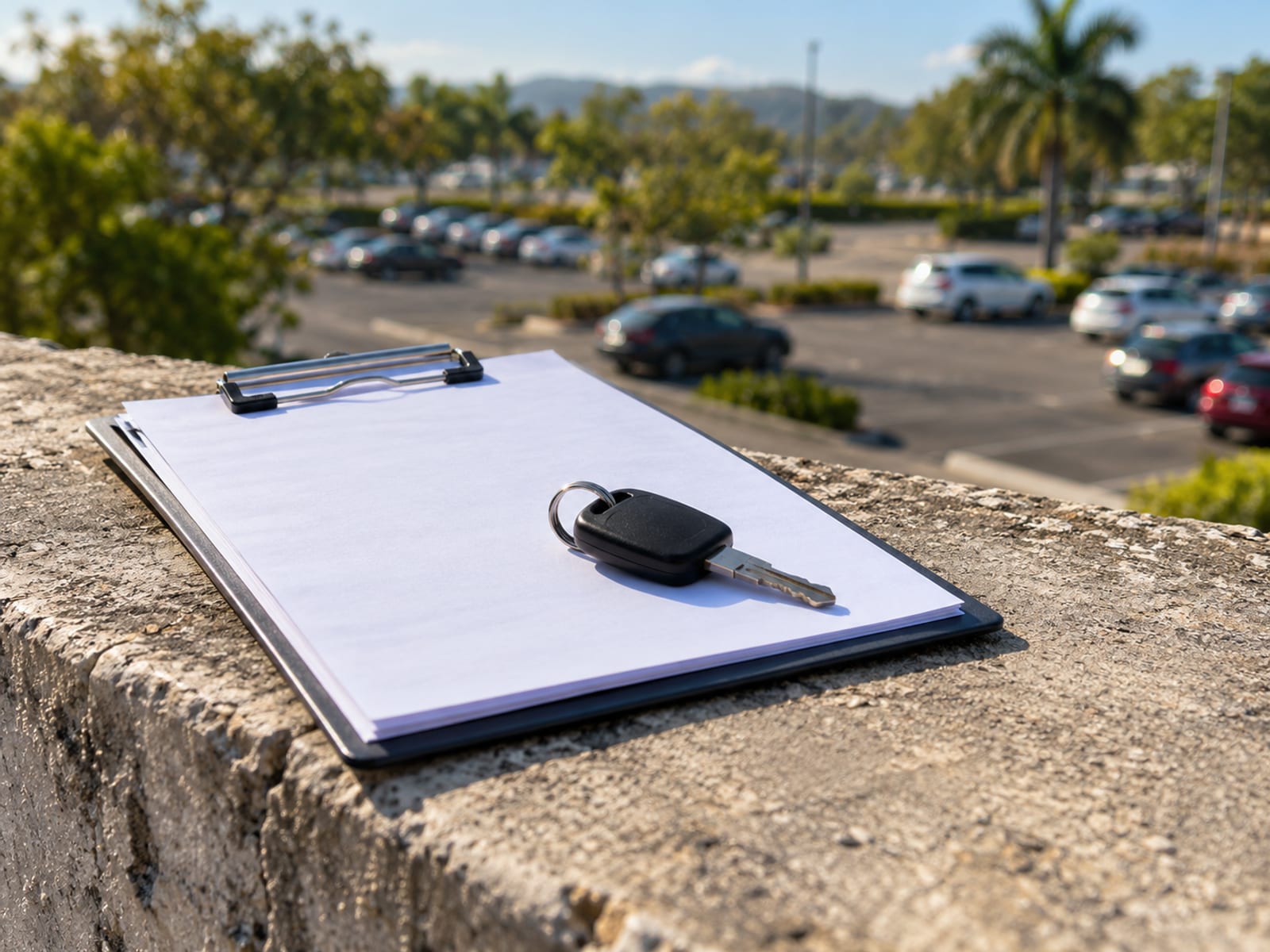
Then walk the car with the agent. Photograph every side, the wheels, the windscreen, the dashboard and the fuel gauge, and have each mark written on the sheet. Our rental car inspection checklist shows the full walk-around.
What to do after damage, theft or a collision
If something happens, stop safely, protect your passengers and turn on your hazard lights. Then record the location, the positions of the vehicles, damage, road conditions, licence plates, driver and insurance details and any witnesses. Do not admit liability, and do not sign anything that settles another person's claim.
The Jamaica Information Service lists the information to collect and also advises reporting within 24 hours. Enterprise requires prompt reporting to the nearest branch and local police and recommends photographs. We Rent Auto tells renters to call the Jamaica Police at 119 when required, photograph the scene and get a report number.
Driving rules, licences, tolls and fuel still apply
The Road Traffic Act 2018 recognises a qualifying foreign licence until the earliest of expiry, your departure or 12 months after arrival, with proof of entry, and does not allow driving passengers for hire or reward. The Jamaica Tourist Board gives North Americans up to three months per visit and UK residents up to 12, and says to carry the physical licence. Our guide to driving in Jamaica with a US, UK or Canadian licence sets out the periods side by side.
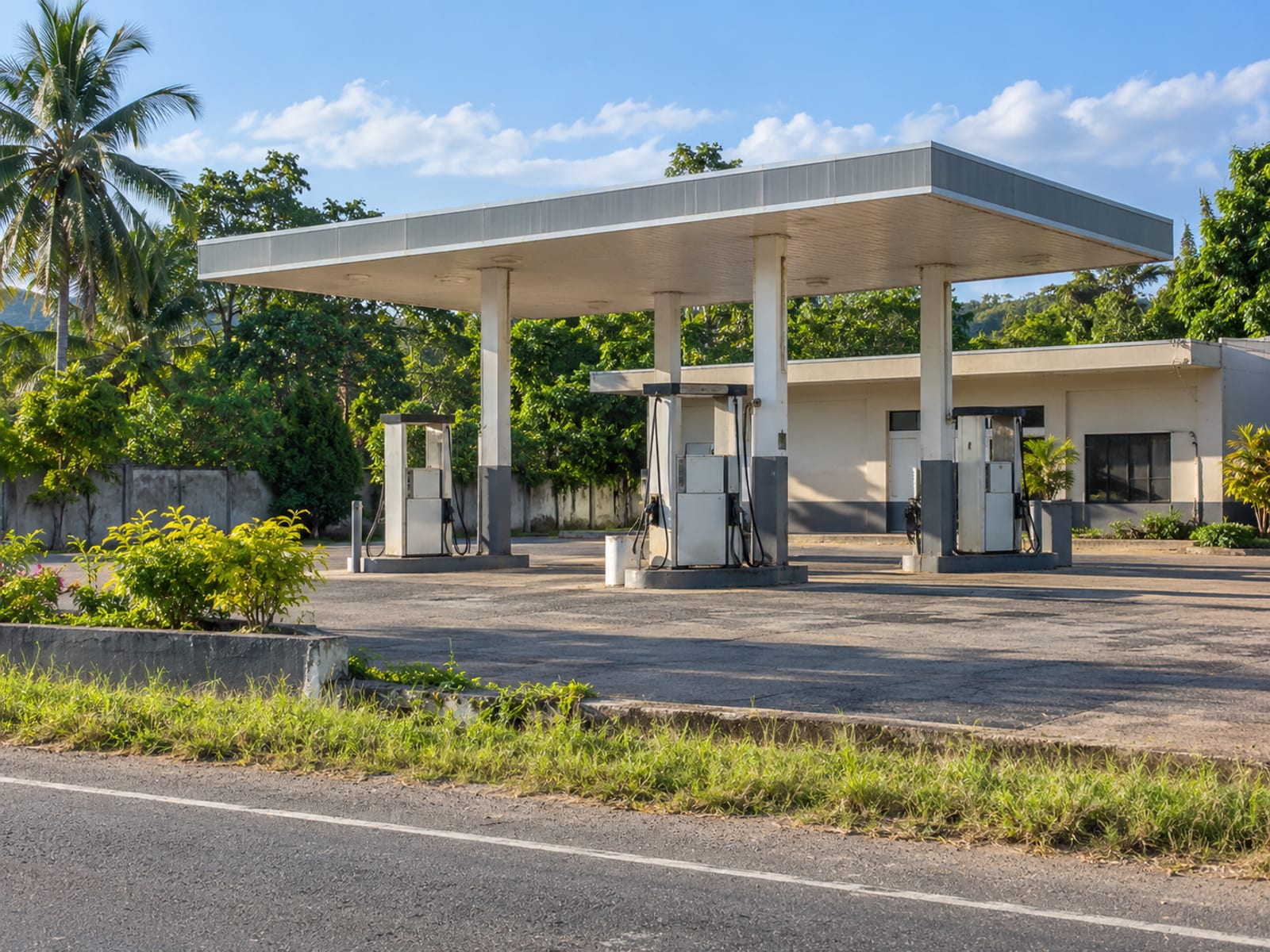
Jamaica drives on the left. The Tourist Board's general guidance gives 50 km/h in built-up areas and 80 km/h on highways, with signs controlling. Seatbelts are required, children use the prescribed restraint, and you may not view or send messages while driving.
Highway 2000 and the North-South Highway are toll roads. Ask whether the car has a tag, how tolls are billed and whether there is an administration fee. Enterprise says the named renter is responsible for tolls, violations and fees, and that notices can arrive weeks after the rental. For fuel, Enterprise offers prepaid fuel with no refund for the unused part, company refuelling at a higher price per gallon, or returning the car full. Photograph the gauge at pickup and return and keep your receipts.
A rental suits some trips and a driver suits others
A rental makes sense if you need independent movement, expect many separate outings, can drive comfortably on the left, can manage route-finding and parking, and can accept responsibility for the car, the deposit and the insurance decisions. A driver or private transfer fits better when your trip is mainly airport transfers, resort-to-resort travel, fixed excursions or group travel, or when you do not want to deal with unfamiliar roads, tolls, fuel and accident steps. Compare the full rental total against a quoted driver price for your route. Our guide to renting a car or booking a driver can help you decide.
Frequently Asked Questions
What are the requirements to rent a car in Jamaica?
They vary by company but commonly include a valid physical licence, passport or ID, a major credit card in the renter's name, a minimum age, a deposit or card authorisation and all drivers listed.
What is the average cost to rent a car in Jamaica?
There is no single fixed average. KAYAK shows about USD 48 a day and USD 339 a week in searches, and Negril Onestop lists 2026 low-season rates of USD 34.17 to USD 54.33 a day. These are each provider's figures, so ask for an all-in quote.
What is the difference between CDW and third-party cover?
CDW limits what you owe for damage to the rental car. Third-party cover addresses injury or damage suffered by other people.
Can I decline the rental company's cover?
Some companies allow it with acceptable written proof of cover valid in Jamaica, and may then take a larger hold. Declining can leave you responsible for damage up to the full value of the car.
Does my credit card cover a rental in Jamaica?
Only if the issuer's written terms say so. Get them before you travel, and ask the rental company whether it will accept them.
Who do I call after an accident?
The rental company, using the number on your agreement, and the police. Report the accident within 24 hours.
Final Thoughts
Insurance is easiest to handle when you split it in two: protection for the rental car, and cover for other people. Ask each company how it defines its options, read the excess, and get your card issuer's written terms before you rely on them. The deposit and the excess are separate amounts, and your agreement controls both.
Taking ten minutes to ask these questions and to photograph the car can spare you a dispute weeks after the trip.
If you decide you would rather have a driver, D-JARPS Transport Solutions can arrange one in Jamaica. We run our own vehicles, with airport shuttle transfers and car rentals among our services, and we arrange transport anywhere in Jamaica as each trip needs it. Trips are arranged by phone between 6 AM and 10 PM every day, or by sending your details through the trip request form on our contact page, and we give you the price and confirm the trip before the day.