Travel guide
Transport for a Product Launch or Company Event in Kingston
This guide may contain affiliate links. If you buy or book through one, we may earn a commission at no extra cost to you. Read our affiliate disclosure.
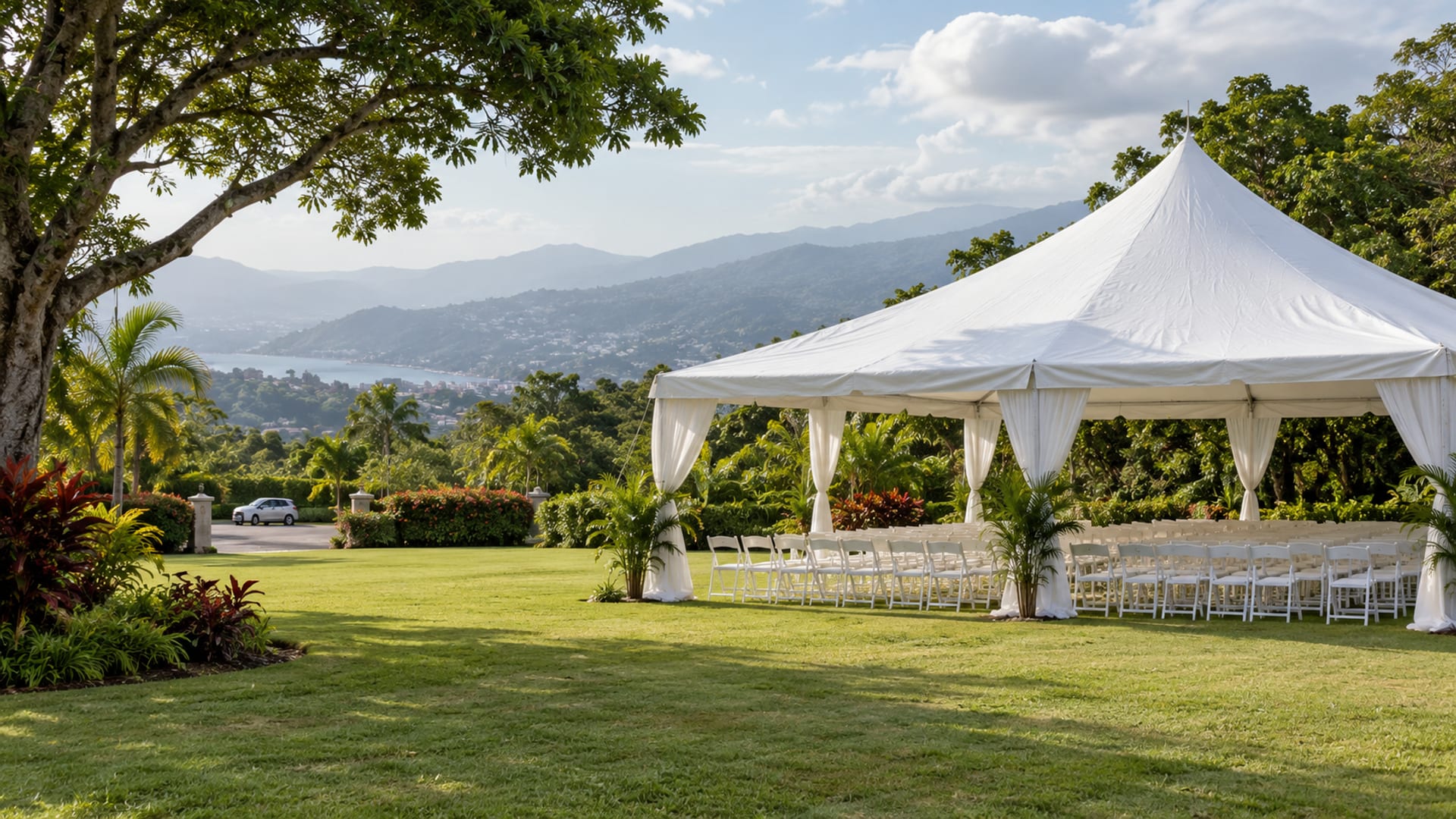
The venue is booked, the guest list is moving and the programme is taking shape. Then someone asks how everyone will get there, and how they will get home after the last speaker finishes. For anyone planning event transportation solutions in Kingston, that question deserves its own plan, because a launch can be judged as much by the arrival and the exit as by what happens in between. Guests who cannot find the pickup point, a vehicle waiting at the wrong gate and a last return that leaves before the room empties are the kind of problems guests remember. The sections below follow the order you will face the decisions in, from the brief a provider needs to the questions that keep the night running on time.
Why Kingston Event Transport Needs a Plan Before Invitations Go Out
The best time to think about transport is before the invitations are sent, because the answer shapes what you tell guests. A launch at a hotel with its own parking asks for different instructions than one at a waterfront venue where coaches and private cars share an entrance.
The Jamaica Tourist Board's Getting Around Jamaica page lists public transportation, buses, taxis, rental cars and domestic flights as the ways visitors move around the island, and it says public transportation is available in major towns. That answers how tourists get around in Jamaica in general terms. For a company event, though, general options are not a plan. Pre-arranged private transport is more predictable than asking each guest to find a separate ride, particularly after the event, when many people leave at once and ride availability becomes a gamble.
A plan also protects the person organising. Event planners report that a single transport contact stops the organiser from fielding every guest call. If you give that person the itinerary, the passenger list, the driver details and the authority to approve practical changes, the rest of the team can focus on the event.
Map Every Guest Movement Before Choosing Vehicles
Do not start with vehicles. Start with people, and count them by leg rather than by invitation. A provider needs a final headcount for each leg, because the number who are invited is rarely the number who need a ride, and the number riding in is rarely the number riding home.
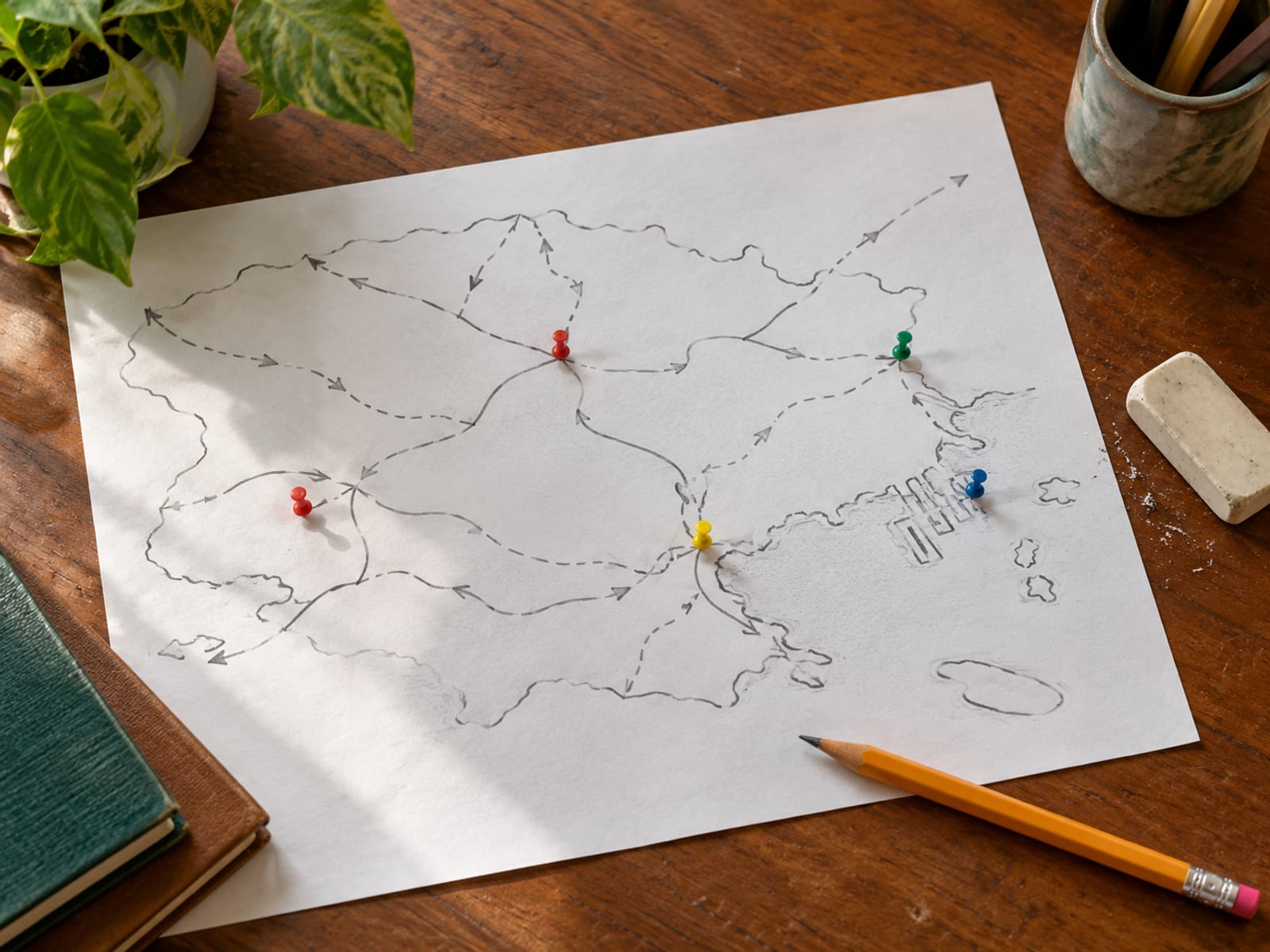
Published planning guidance suggests separating passengers by what they need: visitors, VIPs, older guests, families, staff, vendors and anyone who will stay after the main group leaves. Set crews and production staff usually need to arrive well before guests, speakers and executives may need their own pickup instructions, and a late-stay group needs a return that does not depend on everyone else's schedule.
A solid brief to a transport provider includes:
- Event date and operating hours: When the first vehicle is needed and when the last one is released.
- Pickup and drop-off locations: Every hotel, office, airport pickup or venue gate, named precisely.
- Passenger totals by leg: For example, staff arriving early, guests arriving in waves, and guests returning.
- Required arrival time and final departure time: The arrival time guests must reach the venue, and the time the last return leaves.
- Luggage and equipment: Promotional materials and production gear count.
- Flight details where relevant: If you are combining airport arrivals with the event.
- The day-of contact: One named person, with a phone number the driver can reach.
If you are planning wider logistics around a business visit, getting around New Kingston on a business trip covers the day-to-day side of travel in the business district.
Build Arrival Waves Around the Venue's Real Access Points
Sending every guest to the door at the same minute is the easiest way to create a queue. Arrival waves spread the load. Give guests a clear window, set a firm target before the programme begins, and allow time for security checks, registration, bags, equipment and the walk from the drop-off point.

The venue decides where vehicles can go. Ask the venue how a coach reaches the drop-off point and where it can wait. Devon House lists its South Lawn at 26 Hope Road as a large corporate and special-event space, so ask the venue for its vehicle staging plan. The Jamaica Cultural Development Commission says the compound at Ranny Williams Entertainment Centre, 36 Hope Road, has ample parking. Port Spectrum describes a 10-acre waterfront venue with a five-acre parking lot, reached from Marcus Garvey Drive. Whatever the venue says on its website, confirm in writing where buses may stop, where guests should be dropped, whether parking is reserved and where drivers should wait, then share those instructions with every driver.
A named meeting point works far better than "outside the hotel" or "at the venue". Use a hotel lobby, a terminal exit, a venue gate or a numbered parking area, and put a sign or a marshal there.
What Changes the Transport Quote
There is no single price for event transport, which answers the question of how much a personal driver in Jamaica costs. The figure changes with vehicle type and size, distance, number of passengers, waiting time, number of stops, whether the trip is one-way or return, night hours and whether the driver stays available for the whole event.
The published examples show why it is risky to borrow a number. One Jamaican operator advertises private chauffeur day trips without showing a fixed price. A Reddit discussion on Jamaica tourism reports roughly US$150 to US$200 for a full-day driver in the Montego Bay area, and that is one traveller's experience, not a tariff. An International Society of Automation Jamaica conference note listed US$10 or JMD 1,500 for a round trip and US$5 or JMD 800 for a one-way trip on a delegate shuttle, and that was the organiser's figure for a specific shuttle, date and route in July 2024. The Transport Authority's 2026 hackney carriage schedule gives regulated taxi examples and hourly waiting charges, but a private event charter is priced separately from a metered taxi trip.
A good quote separates the fixed charges for the agreed itinerary from the variable ones: extra waiting, added stops, overtime, parking, tolls, late-night service and route changes. Ask for those variable items to be listed so there are no surprises on the night.
The Event-Day Transport Process From First Pickup to Final Return
The day goes more smoothly when each phase has an owner. Decide how departures will happen: one scheduled return, several departure waves or on-demand private transfers. Publish the last shuttle departure before the event starts so no one is surprised. A single departure time can create a queue at the exit, and guests leave at different moments for work duties, flights, family needs or the length of the programme, so do not assume everyone goes the moment the closing remarks end.
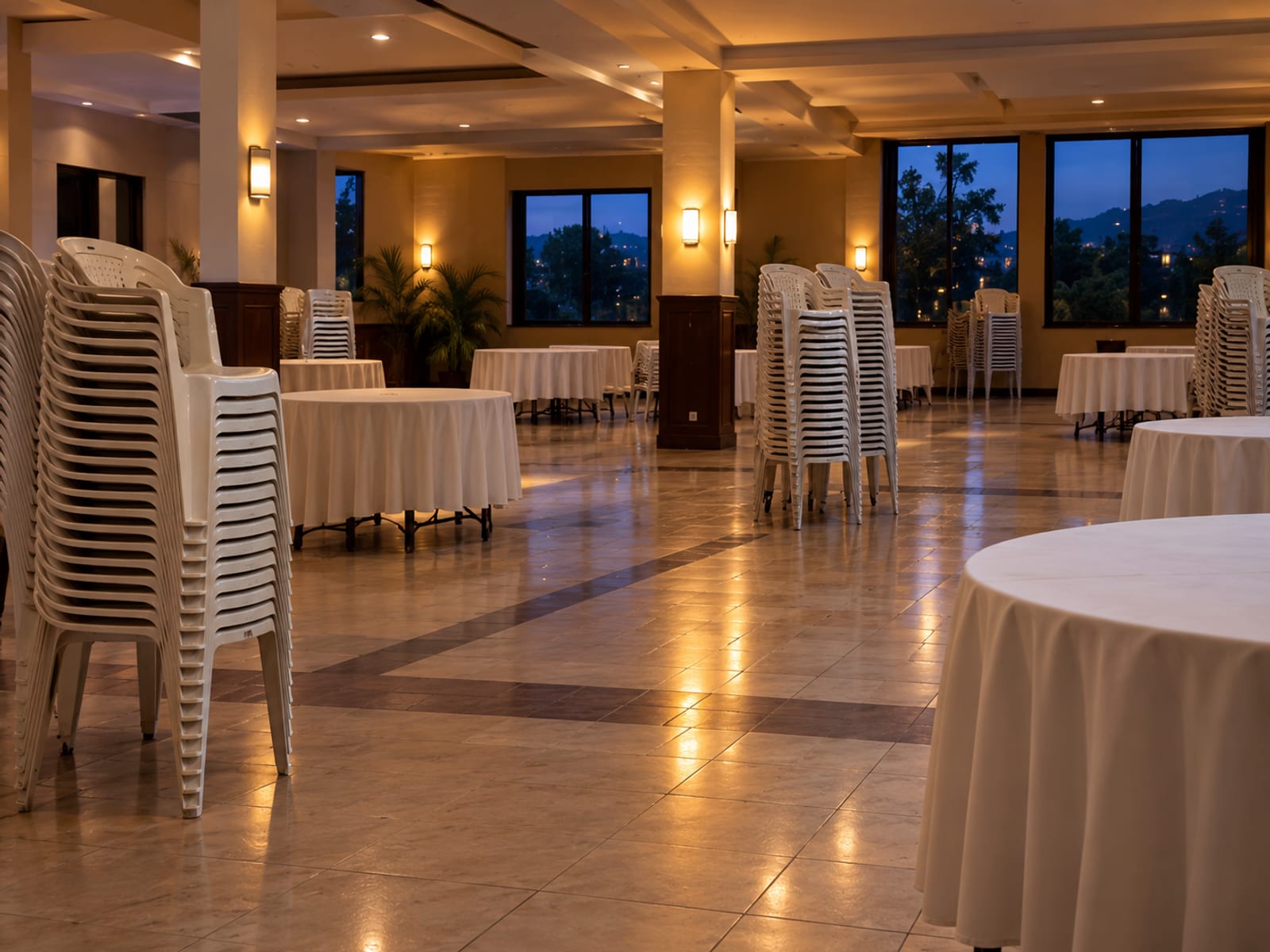
Keep a vehicle or driver assigned to VIPs, speakers, staff or guests who stay after the main group leaves. Give the event-day contact the final passenger list and the authority to approve a practical change. Agree how drivers will communicate if the venue exit is congested or the approved pickup point has to move.
Event-specific examples can help you judge the scale. A Jamaica Star report on Reggae Sumfest described coordination with the Jamaica Constabulary Force, a parking area for around 400 vehicles and shuttle transportation to the festival grounds. That is an example of one large public event and not a standard for a corporate launch. For a smaller event, the same principles apply on a smaller scale: park elsewhere if the venue entrance cannot handle both cars and coaches, and shuttle people the last stretch.
If your event is a festival or concert rather than a launch, concert and festival transportation in Jamaica goes into those arrangements.
Kingston Venues, Parking and Drop-Off Rules
Kingston offers a range of event venues, and each has its own access pattern. Summit Kingston lists product launches among its uses, with locations at 7 Barbican Road and 16 Chelsea Avenue. AC Hotel Kingston publishes seven event rooms and 1,812 square metres of event space, with a largest reception capacity of 900. The venue pages describe the rooms but do not publish a coach drop-off or parking policy in detail, so the safe step is to ask.
Questions for the venue:
- Where exactly may the vehicle stop? Unloading at the wrong spot can block emergency access.
- Can a coach turn around or wait nearby? Not every compound allows it.
- Is the guest drop-off different from the parking entrance? Often it is.
- Who meets the driver on arrival? A named person avoids confusion.
- Is valet or loading controlled by the venue? Ask about security checks as well.
A driver may reach the right property and still be unable to stop at the expected door because of security, congestion or venue restrictions. A written access note and, if possible, a short call between the driver and the venue before the day removes most of that risk.
Jamaica Licensing, Permits and Traffic Coordination
When a provider carries paying passengers, the vehicle needs the right licence. The Transport Authority is responsible for licensing public passenger vehicles and commercial carriers. Its FAQ says people providing transportation on a contractual arrangement should apply for a Contract Carriage licence, defines a hackney carriage as a vehicle used to carry passengers for hire or reward, including a charter service, and states that a receipt for a licence application is not a road licence. For tourism transport, the Jamaica Tourist Board says legally operating transport operators in the tourism industry are required to have a JTB licence. Ask any provider which licence or authorisation applies to your service.
Larger events can involve more than transport. The Jamaica Constabulary Force publishes a page on permits needed to host events that asks applicants for the reason for the permit and the type of event. The Kingston and St Andrew Municipal Corporation lists "Closure of Venue/Event" among its services, and its place-of-amusement licence material asks for event information including the venue and its parking capacity. Check whether a road closure, traffic diversion, temporary stopping area or police traffic plan applies to your event, whether the venue has already obtained any approval, and who is responsible for the applications and fees.
Prevent the Problems Guests Notice Most
Most of what goes wrong at an event is small and avoidable. Guests cannot identify the pickup point. A vehicle waits at the wrong entrance. A shared shuttle makes too many hotel stops. Guests miss the last planned return. The provider is quoted for one itinerary and then asked to add stops or passengers on the day. These are accounts from planners and travellers, not a measure of how often things fail, but they point to the fixes.
- Precise pickup location: Use a sign or an event marshal.
- Two times for guests: A departure time and a "be ready by" time.
- Separate plans for VIPs, staff and general guests where their schedules differ.
- A final count for each leg, sent by the agreed deadline.
- More than one return wave when the finish is long or uncertain.
- Terms in writing: Waiting, overtime, extra stops and cancellation.
- Confirmation twice: Shortly before the event, and again when the event team arrives.
If you can answer those three questions before you send the brief, the rest of the plan tends to fall into place around them.
Frequently Asked Questions
How do tourists get around in Jamaica?
The Jamaica Tourist Board says visitors can use public transportation, buses, taxis, rental cars and domestic flights, and can arrange airport transfers, private drivers or tours. For a company event, pre-arranged private transport is more predictable than asking every guest to find a separate ride.
How much does a personal driver in Jamaica cost?
There is no single island-wide price. It changes with vehicle type, distance, passengers, waiting time, stops, one-way or return travel, night hours and whether the driver stays available. Published figures are each source's own, for its own route and date, so ask for a written quote for your itinerary.
What should an event transport enquiry include?
Include the date, venues, headcount for each leg, pickup points, required arrival time, final departure time, luggage and the name of your day-of contact.
How far ahead should I arrange guest transport?
Settle it before invitations go out, so guests receive clear pickup instructions. One group-transport planning guide describes a 4 to 8 week planning phase, but that is the publisher's general guideline, not a Jamaican deadline.
What should a written quote cover?
The itinerary, waiting time, changes, payment and cancellation, plus the fixed charges and any variable ones such as extra stops, overtime, tolls and late-night service.
Which licence should an event transport provider hold?
Ask which Transport Authority licence applies to the vehicle carrying paying passengers, and for tourism transport ask about the JTB licence. A receipt for a licence application is not a road licence.
Final Thoughts
Event transport works when it is planned like any other part of the programme. A clear brief, arrival waves tied to the venue's real access points, a named day-of contact, a published last return and a written quote turn guest movement from a worry into a checklist. Treat any price you read online as one source's figure and build your own from the itinerary.
Getting people there and home again is also what guests will remember when the speeches are forgotten, so the effort is well spent.
If you are planning a launch, gala, conference or company event in Kingston, D-JARPS Transport Solutions runs its own vehicles in Jamaica and arranges transport anywhere on the island as each trip needs it. We go over your itinerary with you, give the price and confirm the trip before the day. Trips are arranged by phone from 6 AM to 10 PM every day or through the trip request form, so send us your date, venue, headcounts and pickup points through our contact page. You can also read how our special events transportation is arranged, and event shuttle planning covers headcount, pickup points and return trips in more depth.